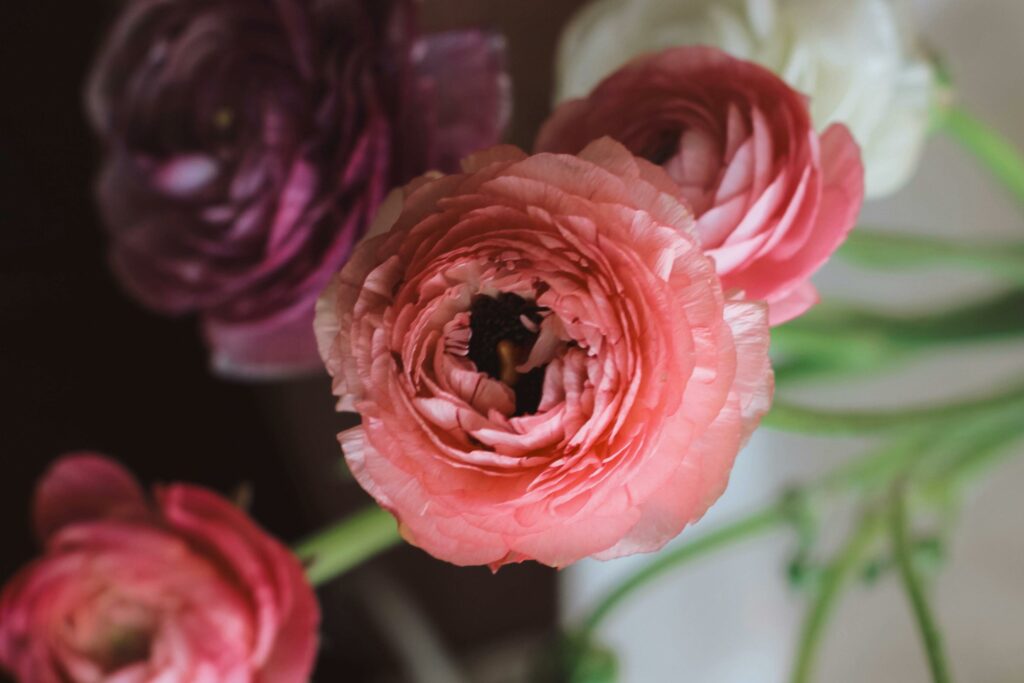

Japan’s deep appreciation for seasonal flowers extends far beyond its famous cherry blossoms. From Hokkaido’s lavender fields to Okinawa’s tropical blooms, each region and city offers unique floral experiences shaped by climate, history, and local traditions. This comprehensive guide explores the best flower destinations across Japan, organized by city and region.
HOKKAIDO REGION
Sapporo
Best Season: May to September
Hokkaido’s capital offers a refreshing escape from Japan’s summer heat, with flowers blooming later and lasting longer than elsewhere.
Moerenuma Park – Designed by renowned sculptor Isamu Noguchi, this park features geometric landscapes with seasonal flower displays. Cherry blossoms arrive in early May, weeks after they’ve finished in Tokyo and Kyoto.
Sapporo Maruyama Park – Famous for its late-blooming cherry blossoms (late April to early May) and the adjacent Hokkaido Shrine surrounded by spring flowers.
Odori Park – Runs through the city center with seasonal flower beds. The Summer Festival features beer gardens among flower displays.
Local Specialty: Hokkaido’s cool climate produces exceptionally vibrant flowers with deeper colors and longer blooming periods.
Furano
Best Season: June to August
Farm Tomita – Japan’s most famous lavender farm, with undulating fields of purple lavender stretching toward distant mountains. Peak bloom is mid-July. The farm also features rainbow flower fields with poppies, salvias, and other colorful blooms arranged in spectacular stripes.
Furano Cheese Factory Flower Garden – Offers lavender and other alpine flowers with hands-on experiences.
Kanno Farm – Less crowded than Farm Tomita, with equally beautiful lavender fields and sunflowers.
Practical Tip: Book accommodations months in advance for July. The lavender fields are at their absolute peak around July 15-25.
Biei
Best Season: June to September
Shikisai-no-oka (Four Seasons Hill) – Rolling hills covered in stripes of flowers: lavender, lupins, salvias, sunflowers, and cosmos. The patchwork effect against Hokkaido’s dramatic landscape is unforgettable.
Zerubu-no-oka – Another spectacular flower hill with similar displays but fewer tourists.
Photography Note: The wide-open spaces and dramatic skies of Biei make it a photographer’s paradise.
Hakodate
Best Season: April to October
Hakodate Park – Cherry blossoms in late April with views of the harbor.
Trappistine Convent – Beautiful gardens with roses and seasonal flowers maintained by nuns.
Mount Hakodate Rose Garden – Roses bloom in June and October with panoramic city views.
TOHOKU REGION
Hirosaki (Aomori Prefecture)
Best Season: Late April to early May
Hirosaki Castle Park – Home to over 2,600 cherry trees of 50 varieties. The cherry blossom tunnel and moat filled with fallen petals create iconic scenes. The Hirosaki Cherry Blossom Festival is one of Japan’s top three cherry blossom festivals.
Fujita Memorial Garden – Japanese and Western-style gardens with seasonal flowers and excellent castle views.
Why Visit: Hirosaki’s cherry blossoms are considered among Japan’s most beautiful due to special pruning techniques that produce fuller blooms.
Kitakami (Iwate Prefecture)
Best Season: Mid-April to early May
Tenshochi Park – A two-kilometer tunnel of 10,000 cherry trees along the Kitakami River. Take a horse-drawn carriage through the blossoms.
Michinoku Folklore Village – Traditional thatched-roof houses surrounded by cherry blossoms and seasonal flowers.
Takizakura (Fukushima Prefecture)
Best Season: Mid-April
Miharu Takizakura – One of Japan’s three great cherry trees, this 1,000-year-old weeping cherry tree cascades like a waterfall (taki means waterfall). The massive tree is illuminated at night during peak bloom.
Sendai (Miyagi Prefecture)
Best Season: April to October
Mikamine Park – Extensive azalea displays in May covering hillsides.
Nishi Park – Rose gardens and seasonal flower displays.
Sendai Iris Garden – Large iris displays in June.
KANTO REGION
Tokyo
(See dedicated Tokyo guide above for details)
Highlights: Ueno Park, Chidorigafuchi, Meguro River, Shinjuku Gyoen, national parks with seasonal displays.
Yokohama
Best Season: March to November
Sankeien Garden – A traditional Japanese garden featuring historic buildings relocated from Kyoto and Kamakura. Cherry blossoms, plums, lotus, and autumn flowers throughout the year.
Yokohama English Garden – Over 1,800 rose varieties, making it one of Japan’s premier rose gardens. Spring (May-June) and autumn (October-November) roses are spectacular.
Yamashita Park – Waterfront park with rose gardens and seasonal flower beds with harbor views.
Port City Charm: Yokohama combines Western-influenced gardens with traditional Japanese aesthetics.
Kamakura
Best Season: June (hydrangeas), year-round for temple gardens
Meigetsu-in – “The Hydrangea Temple” with thousands of blue hydrangeas creating an ethereal atmosphere in June. The round window (marumado) framing the garden is iconic.
Hasedera Temple – Terraced hillside covered with 2,500 hydrangeas of 40 varieties. Also features stunning autumn colors and spring flowers.
Tsurugaoka Hachimangu Shrine – Peonies in spring, lotus in summer in the temple ponds.
Engakuji Temple – Zen temple with understated seasonal plantings emphasizing natural beauty.
Cultural Context: Kamakura’s temple gardens reflect Zen Buddhist aesthetics of restraint and harmony.
Hitachi Seaside Park (Ibaraki Prefecture)
Best Season: April-May and October
Miharashi Hill – Covered with 4.5 million baby blue eyes (nemophila) flowers in spring, creating an otherworldly blue carpet that merges with the sky. In autumn, the same hill turns red with kochia (burning bush).
Flower Fields – Tulips (April), poppies (May), zinnias (summer), cosmos (September-October).
Must-See: The nemophila bloom (late April to mid-May) is one of Japan’s most photographed flower events.
Ashikaga (Tochigi Prefecture)
Best Season: Mid-April to mid-May
Ashikaga Flower Park – Features Japan’s most spectacular wisteria displays. The Great Wisteria, over 150 years old, covers 1,000 square meters. White, pink, purple, and yellow wisterias create tunnels and canopies. Also features winter illuminations (November-February).
Planning Note: Reserve tickets online during wisteria season; the park reaches capacity quickly.
CHUBU REGION (Central Japan)
Nagoya
Best Season: March to November
Tsuruma Park – Cherry blossoms and rose gardens.
Higashiyama Zoo and Botanical Gardens – Extensive botanical collections with seasonal displays.
Tokugawa Garden – Traditional Japanese garden with iris displays in June.
Tateyama Kurobe Alpine Route
Best Season: April to June
Snow Wall – In April, the road cutting through 20-meter snow walls is lined with alpine flowers as they emerge.
Murodo Plateau – Alpine wildflowers bloom from June to August at high altitude.
Adventure Element: Combines spectacular mountain scenery with unique high-altitude flora.
Takayama (Gifu Prefecture)
Best Season: April to October
Shiroyama Park – Cherry blossoms with mountain views.
Hida Folk Village – Traditional thatched houses surrounded by seasonal flowers and autumn colors.
Mountain Flora: The surrounding Japan Alps offer alpine wildflower hiking in summer.
Kanazawa (Ishikawa Prefecture)
Best Season: Year-round, especially April-June
Kenrokuen Garden – One of Japan’s Three Great Gardens, offering year-round floral beauty. Plum blossoms (February-March), cherry blossoms (April), irises (June), autumn colors (November), and winter snow create perpetual beauty. The garden’s yukitsuri (rope supports protecting trees from snow) are iconic in winter.
Naga-machi Samurai District – Historic streets with traditional gardens featuring seasonal flowers.
Garden Philosophy: Kenrokuen exemplifies the six attributes of a perfect garden: spaciousness, seclusion, artifice, antiquity, water features, and panoramic views.
Toyama
Best Season: April to October
Tonami Tulip Gallery – Hosts Japan’s largest tulip fair in late April with 3 million tulips of 300 varieties.
Unique Feature: The tulip fields with the Northern Alps as backdrop create stunning photography opportunities.
KANSAI REGION
Kyoto
(See dedicated Kyoto guide above for details)
Highlights: Philosopher’s Path, Daigo-ji, Heian Shrine, Arashiyama, temple gardens year-round.
Osaka
Best Season: March to November
Osaka Castle Park – Over 3,000 cherry trees of 95 varieties. The plum grove features 1,270 plum trees of 100 varieties blooming in February-March.
Nakanoshima Rose Garden – Free public rose garden with 310 varieties and 3,700 roses along the river.
Expo ’70 Commemorative Park – Features Japanese Garden with seasonal flowers and the Osaka Japanese Folk Art Museum surrounded by nature.
Nagai Botanical Garden – 24-hectare garden with seasonal displays, particularly beautiful for hydrangeas and autumn colors.
Urban Oasis: Osaka’s flower spots provide peaceful retreats from the bustling commercial city.
Nara
Best Season: March to November
Nara Park – Cherry blossoms with free-roaming deer create uniquely Japanese scenes. Wisteria at Kasuga Taisha Shrine (May).
Heijo Palace Site – Ancient capital ruins with seasonal flower gardens including cosmos fields in autumn.
Yakushiji Temple – Lotus in summer blooming in temple ponds.
Muroji Temple – Mountain temple with rhododendrons and azaleas on steep hillsides (April-May).
Deer Interaction: Nara’s sacred deer add a unique element to flower viewing, though they may eat offerings!
Yoshino (Nara Prefecture)
Best Season: Early to mid-April
Mount Yoshino – Japan’s most famous cherry blossom viewing site with 30,000 cherry trees covering the mountainside. The blossoms bloom in waves from the base to the summit over two weeks. Designated a UNESCO World Heritage site.
Yoshimizu Shrine – Historic shrine surrounded by cherry trees with panoramic views.
Pilgrimage: Yoshino has been a sacred cherry blossom pilgrimage site for over 1,300 years.
Kobe
Best Season: March to November
Nunobiki Herb Garden – Accessible by ropeway, this hillside herb garden offers panoramic city and harbor views with seasonal flowers and herbs. Roses, lavender, and autumn sage are highlights.
Kobe Municipal Arboretum – Extensive collections of hydrangeas, azaleas, and seasonal flowers.
Sorakuen Garden – Traditional Japanese and Western garden fusion with seasonal flowers.
International Flair: Kobe’s port city history influences its gardens with Western elements.
Himeji (Hyogo Prefecture)
Best Season: April and autumn
Himeji Castle – Japan’s most spectacular castle, nicknamed “White Heron Castle.” Cherry blossoms frame the white castle walls in April. The castle grounds feature seasonal plantings year-round.
Koko-en Garden – Nine Edo-period style gardens adjacent to the castle, each with different themes and seasonal flowers.
Photography Gold: The white castle with cherry blossoms is one of Japan’s most iconic images.
CHUGOKU REGION
Hiroshima
Best Season: March to November
Peace Memorial Park – Cherry blossoms create poignant beauty around the peace monuments.
Shukkei-en Garden – Historic garden with plums, cherries, azaleas, and iris displays throughout the year.
Mitaki-dera Temple – Mountain temple with hydrangeas and autumn colors along forest paths.
Miyajima (Hiroshima Prefecture)
Best Season: April and November
Momijidani Park – Maple Valley features cherry blossoms in spring and spectacular autumn colors, with the famous floating torii gate as backdrop.
Daisho-in Temple – Mountain temple with seasonal flowers and traditional gardens.
Sacred Island: The combination of natural beauty, sacred sites, and seasonal flowers creates a spiritual atmosphere.
Kurashiki (Okayama Prefecture)
Best Season: March to November
Ohara Museum Garden – Western-style museum with seasonal flower gardens.
Canal District – Historic preservation area with cherry blossoms lining the willow-bordered canals, creating picturesque reflections.
Edo Charm: The preserved merchant quarter’s traditional architecture enhances flower viewing.
Okayama
Best Season: Year-round, especially April-June
Korakuen Garden – One of Japan’s Three Great Gardens, featuring spacious lawns, ponds, and seasonal flowers with Okayama Castle views. Cherry blossoms, azaleas, irises, and lotus create year-round interest.
Garden Philosophy: Korakuen emphasizes open, expansive views contrasting with more intimate gardens elsewhere.
Matsue (Shimane Prefecture)
Best Season: April to June
Matsue Castle – Cherry blossoms around the original castle keep.
Yuushien Garden – Traditional garden on an island in Lake Nakaumi, famous for peonies (April-May) and illuminated garden events.
SHIKOKU REGION
Takamatsu (Kagawa Prefecture)
Best Season: Year-round, especially March-May
Ritsurin Garden – One of Japan’s most beautiful gardens, featuring 1,400 pine trees and seasonal flowers. Plum blossoms, cherry blossoms, azaleas, and iris create changing scenes. The garden’s “borrowed scenery” incorporates Mount Shiun.
Cultural Depth: Six Edo-period ponds and thirteen scenic hills provide diverse viewing angles.
Tokushima
Best Season: March to May
Bizan Park – Cherry blossoms with city views.
Tokushima Central Park – Former castle grounds with cherry blossoms and azaleas.
Whirlpools and Flowers: Combine flower viewing with the nearby Naruto Whirlpools for a unique day trip.
KYUSHU REGION
Fukuoka
Best Season: March to November
Maizuru Park (Fukuoka Castle Ruins) – Cherry blossoms and wisteria in spring, with 1,000 cherry trees.
Nokonoshima Island – Ferry-accessible island with year-round flower fields: rape blossoms (March), sunflowers (July-August), cosmos (October).
Ohori Park – Urban park with cherry blossoms around a large pond and Japanese garden.
Island Paradise: Nokonoshima offers surprising floral variety in a small island setting.
Kumamoto
Best Season: March to November
Kumamoto Castle – Reconstruction continues after earthquake damage, but cherry blossoms and seasonal flowers enhance the grounds.
Suizenji Garden – Miniature landscape garden representing the 53 stations of the Tokaido Road, with seasonal flowers.
Volcanic Flora: The nearby Aso region offers unique volcanic landscape flowers.
Nagasaki
Best Season: Year-round, especially spring and autumn
Huis Ten Bosch – Dutch-themed park with 700,000 tulips in spring, roses, hydrangeas, and seasonal illuminations. Year-round flower festivals celebrate European garden traditions with Japanese precision.
Glover Garden – Historic Western mansions with harbor views and seasonal flowers reflecting Nagasaki’s international history.
Western Influence: Nagasaki’s international history creates unique garden styles blending East and West.
Beppu (Oita Prefecture)
Best Season: April to May
Beppu Ropeway and Mount Tsurumi – Alpine flowers including azaleas covering the volcanic mountainside in May.
Hot Springs and Flowers: Combine onsen experiences with flower viewing.
Kagoshima
Best Season: March to November
Sengan-en Garden – Traditional garden with Sakurajima volcano views and seasonal flowers.
Kirishima Mountains – Volcanic peaks covered with azaleas and mountain flowers in May.
Volcanic Beauty: Dramatic volcanic landscapes enhance flower viewing.
OKINAWA REGION
Naha and Southern Okinawa
Best Season: January to April (for most flowers), year-round for tropical blooms
Southeast Botanical Gardens – Tropical and subtropical plants year-round, with over 2,000 plant species.
Shikina-en Royal Garden – Ryukyu Kingdom royal garden with tropical flowers and traditional architecture.
Unique Climate: Okinawa’s subtropical climate offers flowers when most of Japan is dormant.
Northern Okinawa
Okinawa Churaumi Aquarium Gardens – Tropical flowers surrounding the famous aquarium.
Nago Pineapple Park – Tropical flowers and fruit plants in a unique setting.
Cherry Blossoms in January: Okinawa’s Sakura (Prunus campanulata) bloom in January-February, Japan’s earliest cherry blossoms, with deep pink flowers.
SEASONAL FLOWER CALENDAR BY REGION
Winter (December-February)
- Okinawa: Cherry blossoms (January-February), tropical flowers
- Kyushu/Southern Honshu: Early plum blossoms, camellias
- Central/Northern Honshu: Wintersweet, winter camellias (under snow)
Early Spring (March-April)
- Kyushu: Cherry blossoms peak late March
- Kansai/Kanto: Cherry blossoms peak early April
- Tohoku: Cherry blossoms late April
- Hokkaido: Cherry blossoms early May
Late Spring (May-June)
- Nationwide: Wisteria, azaleas, peonies
- Kanto/Kansai: Roses (first bloom), irises, hydrangeas (June)
- Hokkaido: Late cherry blossoms, tulips
Summer (July-August)
- Hokkaido: Lavender (peak mid-July), sunflowers
- Nationwide: Lotus, morning glories, sunflowers
- High altitude areas: Alpine wildflowers
Autumn (September-November)
- Nationwide: Cosmos, red spider lilies (September)
- All regions: Roses (second bloom), autumn foliage
- Chrysanthemum festivals throughout Japan
Regional Flower Specialties
Hokkaido
Specialty: Lavender, late-blooming varieties of common flowers Why Special: Cool climate produces vivid colors and extended blooming
Tohoku
Specialty: Mountain azaleas, castle park cherry blossoms Why Special: Later blooms extend cherry blossom season
Kanto
Specialty: Urban gardens, innovative flower displays Why Special: Combination of traditional and modern approaches
Chubu
Specialty: Alpine flowers, tulips Why Special: Mountain and valley microclimates create diversity
Kansai
Specialty: Temple gardens, historical flower cultivation Why Special: Centuries of refined garden aesthetics
Chugoku
Specialty: Castle and garden combinations Why Special: Historical preservation maintains traditional flower culture
Shikoku
Specialty: Coastal and mountain flower combinations Why Special: Pilgrimage routes pass through diverse flower regions
Kyushu
Specialty: Extended growing season, volcanic soil flowers Why Special: Warmer climate allows earlier and later blooms
Okinawa
Specialty: Tropical and subtropical flowers Why Special: Year-round blooming, unique species not found elsewhere in Japan
Planning Your Flower Journey
Multi-City Itineraries
Spring Cherry Blossom Chase (2-3 weeks, late March to early May)
- Start: Fukuoka (late March)
- Progress: Osaka → Kyoto → Nara (early April)
- Continue: Tokyo → Kamakura (mid-April)
- Finish: Sendai → Hirosaki → Hokkaido (late April to early May)
Summer Flower Tour (1-2 weeks, July)
- Hokkaido: Furano and Biei lavender
- Kamikochi: Alpine flowers
- Nikko: Mountain flowers
- Tokyo: Lotus viewing
Hydrangea Journey (2 weeks, June)
- Kamakura temples
- Kyoto: Mimuroto-ji, Tofuku-ji
- Kobe herb gardens
- Rural temple gardens throughout Kansai
Autumn Colors and Flowers (2 weeks, October-November)
- Tokyo: Autumn roses, cosmos
- Kyoto: Temple gardens
- Nara: Autumn gardens with deer
- Takayama: Alpine autumn colors
Transportation Tips
Japan Rail Pass: Essential for multi-city flower tours. Calculate whether 7-day, 14-day, or 21-day pass suits your itinerary.
Regional Passes: Hokkaido, Kansai, and other regional passes may be more economical for focused trips.
Local Transportation: Many flower destinations require buses or taxis from train stations. Research in advance.
Rental Cars: Recommended for Hokkaido flower tours and rural destinations.
Accommodation Strategies
Book Early: During cherry blossom season and peak bloom times, accommodations fill months in advance.
Stay Near Major Hubs: Cities like Kyoto, Tokyo, and Kanazawa offer easy access to multiple flower destinations.
Ryokan Experiences: Traditional inns often feature their own gardens and offer seasonal flower-themed meals.
Temple Lodging (Shukubo): Some temples offer overnight stays with access to private gardens.
Photography Considerations
Equipment:
- Wide-angle lens for landscapes and flower fields
- Macro lens for detailed flower photography
- Polarizing filter for enhancing colors
- Tripod for low-light temple gardens
Timing:
- Golden hour (sunrise and sunset) provides best light
- Overcast days are excellent for flower details
- Midday harsh light requires shade or diffusion
Etiquette:
- Never use tripods in crowded areas during peak season
- Respect barriers and don’t enter flower beds
- Be mindful of other visitors’ views
Cultural Experiences
Flower Arrangement Classes Available in major cities, offering insight into Japanese floral aesthetics.
Tea Ceremony with Seasonal Flowers The tokonoma (alcove) flower arrangement changes seasonally.
Flower Festivals Local matsuri (festivals) often celebrate specific flowers with food stalls, performances, and cultural activities.
Garden Tours with Guides Many historic gardens offer guided tours explaining design philosophy and plant selection.
Budget Planning
Entrance Fees:
- Free: Most public parks, shrine grounds
- Moderate (¥300-500): Historic gardens, castle grounds
- Higher (¥1,000-2,000): Specialty gardens, flower parks
- Reserve in advance: Imperial properties, some private gardens
Seasonal Price Variations:
- Cherry blossom season: 50-200% hotel price increases in popular areas
- Summer (except Hokkaido): Lower prices, fewer tourists
- Autumn foliage season: Price increases similar to spring
Money-Saving Tips:
- Visit free public parks for cherry blossoms
- Explore neighborhood temples and shrines
- Pack picnic lunches for hanami
- Use regional transportation passes
- Visit on weekdays when possible
Flower Viewing Etiquette Across Japan
Universal Rules
- Never pick flowers or damage plants
- Stay on designated paths
- Dispose of trash properly (carry trash bags)
- Keep voices low in temples and shrines
- Follow photography restrictions
Hanami (Cherry Blossom Viewing) Etiquette
- Respect space reservations (tarps mark claimed spots)
- Don’t disturb others’ celebrations
- Clean up completely after picnics
- Don’t shake trees to create “flower blizzards”
- Be cautious with alcohol consumption in family-friendly parks
Temple Garden Etiquette
- Remove shoes when required
- Don’t touch sacred objects or plants
- Photography may be restricted; look for signs
- Maintain contemplative atmosphere
- Make appropriate offerings at shrines
Special Events
- Purchase tickets in advance when required
- Arrive early for popular events
- Follow crowd flow and staff directions
- Be patient during peak times
Climate and Flower Timing
Understanding Japan’s Climate Zones
Hokkaido (Subarctic)
- Flowers bloom 3-6 weeks later than Honshu
- Short but intense growing season
- Cooler temperatures produce vivid colors
Tohoku (Northern Temperate)
- 2-3 weeks later than Tokyo/Kyoto
- Extended cherry blossom viewing opportunity
- Distinct four seasons
Kanto/Kansai/Chubu (Central Temperate)
- Standard bloom times for Japan
- Hot, humid summers; cold winters
- Peak tourist seasons
Chugoku/Shikoku (Southern Temperate)
- Slightly earlier blooms than central Japan
- Milder winters
- Extended growing season
Kyushu (Subtropical)
- Earliest blooms in mainland Japan
- Milder winters allow winter flowers
- Hot, humid summers
Okinawa (Tropical/Subtropical)
- Cherry blossoms in January-February
- Year-round tropical flowers
- Typhoon season affects some blooms
Tracking Bloom Forecasts
Cherry Blossom Forecasts (Sakura-zensen): Available from late February through April, updated weekly by:
- Japan Meteorological Corporation
- Weathermap
- Weathernews Inc.
Other Flower Forecasts: Less formal but available through:
- Local tourism websites
- Social media hashtags
- Garden and park websites
- Recent visitor reports
Flexibility is Key: Weather can shift bloom times by 1-2 weeks. Build flexibility into itineraries during peak seasons.
Sustainable and Responsible Flower Tourism
Environmental Considerations
- Stick to Paths: Trampling damages root systems and soil
- Don’t Touch: Oils from skin damage delicate petals
- No Picking: Flowers should remain for all to enjoy
- Proper Disposal: Carry trash out; public bins are rare
- Water Sources: Don’t pollute ponds and streams
Supporting Local Communities
- Stay Locally: Support family-run ryokan and minshuku
- Eat Local: Try regional specialties
- Buy Local Products: Flower-themed crafts support artisans
- Respect Privacy: Avoid private property and residential areas
- Learn Basics: Simple Japanese phrases show respect
Overtourism Awareness
Heavily Impacted Sites:
- Kyoto during cherry blossom season
- Kamakura hydrangea temples in June
- Furano lavender fields in July
- Yoshino mountain during sakura season
Alternatives:
- Visit shoulder seasons
- Explore lesser-known locations
- Visit on weekdays
- Go very early or late in the day
- Choose emerging destinations over famous spots
Special Interest Flower Tours
For Photographers
Best Destinations:
- Hitachi Seaside Park (nemophila, kochia)
- Furano/Biei (lavender landscapes)
- Yoshino (mountain cherry blossoms)
- Kawachi Fuji Garden (wisteria tunnel)
- Kamakura (hydrangea temples)
Workshops: Photography workshops are offered during peak seasons in major destinations.
For Garden Designers
Must-See Gardens:
- Kenrokuen (Kanazawa) – Edo-period perfection
- Korakuen (Okayama) – Spacious design
- Ritsurin (Takamatsu) – Borrowed scenery
- Katsura Imperial Villa (Kyoto) – Ultimate refinement
- Adachi Museum of Art (Shimane) – Contemporary garden art
For Botanical Enthusiasts
Specialty Collections:
- Jindai Botanical Park (Tokyo) – Comprehensive collections
- Makino Botanical Garden (Kochi) – Native species focus
- Kyoto Botanical Garden – Research and conservation
- Tsukuba Botanical Garden – Scientific collections
For Families
Kid-Friendly Flower Destinations:
- Huis Ten Bosch (Nagasaki) – Theme park atmosphere
- Hitachi Seaside Park – Space to run, rental bikes
- Showa Kinen Park (Tokyo) – Playgrounds plus flowers
- Farm Tomita (Furano) – Ice cream and activities
- Any castle with wide moats and open spaces
Florist guide
Japan’s flower culture represents more than aesthetic appreciation—it embodies a philosophy of living in harmony with nature’s rhythms, finding beauty in transience, and celebrating each season’s unique gifts. From Hokkaido’s lavender fields to Okinawa’s tropical blooms, each region contributes to a national tapestry of floral beauty.
The Japanese concept of shun (旬)—the peak moment when something is at its absolute best—applies not just to food but to flowers. Each bloom has its perfect moment, lasting perhaps only days or weeks. This awareness of impermanence (mono no aware) makes each encounter with flowers more precious.
Whether you’re a dedicated gardener studying Japanese techniques, a photographer chasing the perfect shot, or a traveler seeking beauty and tranquility, Japan’s flower destinations offer profound experiences that transcend simple sightseeing. The careful cultivation, historical depth, and cultural significance of Japanese flower appreciation create a journey that engages mind, spirit, and senses.
Plan your journey according to what calls to you—the drama of millions of flowers carpeting hillsides, the intimacy of carefully composed temple gardens, the joy of local festivals celebrating each season’s blooms, or the meditative peace of watching lotus flowers open at dawn. Japan’s flowers await in every season, in every region, offering infinite opportunities for discovery and wonder.