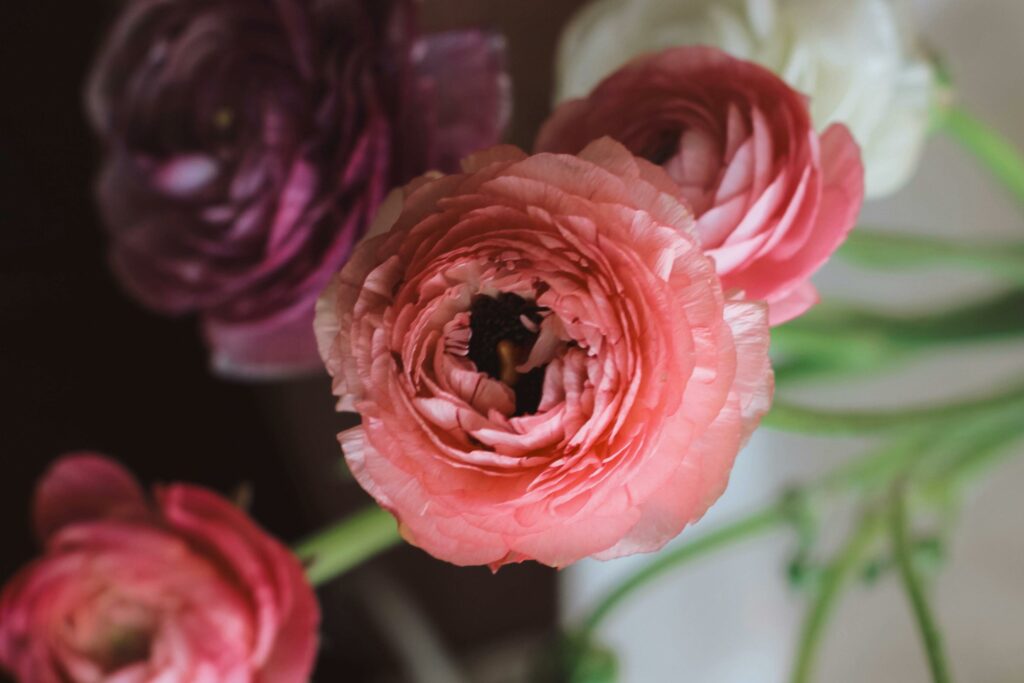

Lisianthus (Eustoma spp.) is cherished for its rose-like blooms, delicate petals, and long vase life, making it a popular choice for weddings, high-end bouquets, and luxury floral arrangements. Lisianthus flowers come in a variety of colors, including white, pink, purple, lavender, and bi-color varieties. Their quality—such as bloom size, petal density, stem length, color intensity, and vase life—is highly influenced by growing conditions. Climate, soil quality, irrigation, and greenhouse technology play key roles. This guide explores the major lisianthus-producing regions, their strengths, challenges, and market suitability.
Dutch Lisianthus
Growing Conditions & Industry Features
The Netherlands is a global leader in greenhouse-grown lisianthus. Dutch growers utilize advanced climate control, LED lighting, and precise irrigation to produce uniform, high-quality blooms year-round. They also focus heavily on breeding new varieties with novel colors and improved stem strength.
Characteristics
- Long, sturdy stems ideal for cut flower markets.
- Large, rose-like blooms with consistent form and petal density.
- Wide color palette including whites, pinks, purples, lavenders, and bi-colors.
- Extended vase life due to controlled greenhouse cultivation.
- Year-round availability for export and high-end markets.
Challenges
- High production costs due to greenhouse operations.
- Flowers may lack some natural variation and outdoor “softness.”
Israeli Lisianthus
Growing Conditions & Geography
Israel is a major producer of early-season lisianthus, cultivated in greenhouses in the coastal plains and northern regions. Mild Mediterranean winters and spring temperatures allow for early production, supplying European markets when other sources are not yet available.
Characteristics
- Early-season blooms with bright, vivid colors.
- Sturdy stems suitable for cut flower arrangements and export.
- Flowers have a natural outdoor-grown appearance.
- Complements Dutch supply in early spring.
Challenges
- Seasonal production limits availability outside early-season windows.
- Stem uniformity may be less consistent than Dutch greenhouse-grown flowers.
Ecuadorian Lisianthus
Growing Conditions & Geography
Ecuador, at high altitudes in the Andes, provides ideal year-round conditions for outdoor lisianthus cultivation. Consistent sunlight, cool temperatures, and fertile volcanic soil contribute to exceptional bloom quality.
Characteristics
- Large, vibrant flowers with rich color saturation.
- Long stems suitable for export markets.
- Natural outdoor appearance with high-quality petal texture.
- Year-round production due to favorable climate.
Challenges
- Export logistics are complex due to distance from European and North American markets.
- Outdoor-grown blooms may show slight variation in size and form.
Other Notable Lisianthus Regions
- USA (California & Florida): Greenhouse and field-grown production, primarily for domestic cut flower markets.
- Net Zealand: Mild climate allows high-quality cut flower production for export to Australia and Asia.
- Spain & Italy: Greenhouse-grown lisianthus for domestic and European markets.
Comparative Summary
| Region | Growing Environment | Lisianthus Strengths | Challenges / Limitations |
|---|---|---|---|
| Netherlands | Greenhouse-controlled | Long stems, consistent blooms, wide color range, year-round supply | High production costs, less natural variation |
| Israel | Greenhouse, Mediterranean climate | Early-season blooms, bright colors, sturdy stems | Seasonal, stems less uniform |
| Ecuador | High-altitude outdoor cultivation | Large blooms, vibrant colors, natural texture, year-round production | Export logistics, slight natural variation |
| Other Regions | USA, New Zealand, Spain, Italy | Domestic and export production, specialty cultivars | Seasonal or scale limitations |
The quality and market suitability of lisianthus are strongly influenced by their region of origin:
- Netherlands: Premium greenhouse-grown lisianthus with long stems, uniform blooms, and wide color variety for year-round supply.
- Israel: Early-season production with vivid colors and sturdy stems, ideal for supplementing European markets.
- Ecuador: High-altitude outdoor-grown lisianthus with large, vibrant blooms and natural appearance, suitable for export markets.
Understanding lisianthus origin helps florists, wedding planners, and gardeners select the best flowers for aesthetic appeal, longevity, and market requirements.