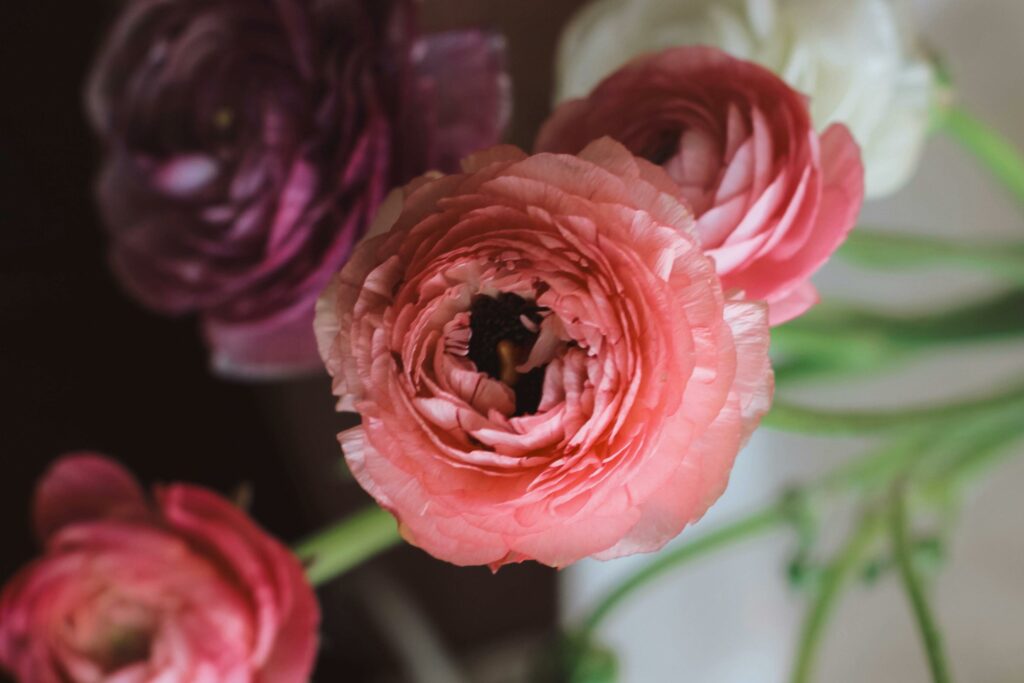

When a bouquet begins to wilt, there’s no need to give up immediately. Through proper techniques and timely intervention, many seemingly hopeless bouquets can be revived. This guide provides comprehensive rescue strategies, from emergency treatment to preventive measures.
Quick Diagnosis: Understanding the Causes of Wilting
Dehydration: Flowers and leaves drooping, stems soft, petal edges curling
Bacterial Blockage: Stem ends brown or slimy, water cloudy and foul-smelling
Ethylene Exposure: Premature withering or browning of petals, especially in carnations and orchids
Temperature Shock: Sudden wilting, usually after exposure to extreme temperatures
Natural Aging: Uniform fading, transparent petals, certain flowers fully opened
Emergency Revival Techniques
Warm Water Immersion Method (Most Effective Universal Approach)
- Preparation: Fill a clean vase or bucket with warm water (approximately 37-43°C, warm but not scalding to touch)
- Re-cut: Cut stems at a 45-degree angle 2-5 cm from the bottom, either underwater or immediately before placing in water
- Remove Obstacles: Remove all leaves and damaged tissue that would be submerged in water
- Deep Water Immersion: Submerge stems in deep water (at least 15-20 cm deep)
- Resting Time: Place in a cool location for 2-4 hours, or until flowers stand upright again
Principle: Warm water molecules move faster and rise more quickly through stem vessels. Deep water provides maximum pressure to push water into flower tissues.
Boiling Water Shock Therapy (For Woody Stems)
Suitable for flowers with woody or semi-woody stems like roses, hydrangeas, and lilacs.
- Protect Flowers: Wrap flowers and leaves in a towel or paper to protect them from steam damage
- Boil Water: Prepare a small pot or cup of boiling water
- Quick Immersion: Submerge the bottom 2-3 cm of stems in boiling water for 20-30 seconds
- Immediate Transfer: Quickly place stems in a vase of room temperature or cool water
- Rest Period: Let flowers rest for at least 1-2 hours
Principle: Boiling water kills bacteria at the stem ends, clears vessel blockages, and produces bubbles that push the water column upward.
Ice Water Revival Method (For Specific Flowers)
Best suited for tulips, anemones, and other bulb flowers.
- Prepare Ice Water: Add ice cubes to cold water, temperature approximately 1-4°C
- Re-cut: Cut stems with a clean, sharp cut at an angle
- Ice Water Immersion: Completely submerge flowers in ice water for 30 minutes to 1 hour
- Drain and Arrange: Gently shake off excess water, place in fresh cold water
Principle: Cold water slows bacterial growth and metabolic processes; certain flowers absorb water better at low temperatures.
Pin Prick Method (For Specific Problems)
Suitable for tulips, anemones, and flowers with air bubble blockages.
- Identify Bubbles: Look for air bubbles or blockage points in the stem
- Sterilize Needle: Use alcohol to sterilize a fine needle or pin
- Gently Pierce: Pierce a small hole through the stem just below the flower head
- Submerge in Water: Immediately submerge the stem in deep water
Principle: Releases air bubbles that may prevent water from rising.
Specialized Techniques for Specific Flowers
Roses
- Re-cut stems underwater to avoid air entering vessels
- Remove all thorns and leaves from the bottom third of the stem
- Use warm water immersion method, water temperature approximately 40°C
- If severely wilted, use boiling water shock therapy
- As an extreme measure, submerge the entire rose (except the bloom) in a warm water bath for 30 minutes
Hydrangeas
- Hydrangeas absorb water through both stems and petals
- Re-cut and split the stem end 2-3 cm
- Submerge the entire flower head in cold water for 30 minutes to 1 hour
- Or use boiling water shock therapy followed by deep water treatment
- Consider adding alum (aluminum potassium sulfate) to water to stabilize color
Tulips
- Tulips continue to grow and bend after being cut
- Wrap tightly in wet newspaper or kraft paper
- Submerge in deep cold water for 2-4 hours to straighten
- Use pin prick method if stems have air bubbles
- Keep in a cool place, avoid light that promotes continued growth
Lilies
- Remove pollen to prevent petal staining and extend lifespan
- Re-cut with a clean cut
- Use warm water immersion method with room temperature water
- Remove any yellowing or dying flowers to save energy for healthy buds
Sunflowers
- Woody stems benefit from boiling water shock therapy
- Re-cut and split stem ends
- Deep water immersion with water level reaching two-thirds up the stem
- Keep in a sunny location (unlike most flowers)
Orchids
- Extremely sensitive to ethylene gas
- Keep away from ripe fruit, wilting flowers, and car exhaust
- Gently mist flowers with room temperature water
- If possible, submerge the entire plant in water for 15-20 minutes
- Maintain in a high humidity environment
Gerbera Daisies
- Stems easily bend and are prone to bacterial infection
- Re-cut underwater and immediately submerge in deep water
- Add a few drops of bleach to prevent bacterial growth
- Support stem with a straw or floral wire if severely bent
- Keep flower heads above water to avoid rot
Water Quality and Additives
Basic Water Quality Improvement
Bleach Solution: Add 3-4 drops of household bleach per liter of water to inhibit bacterial growth
Sugar Water: Add 1-2 teaspoons of sugar per liter of water to provide energy
Vinegar or Lemon Juice: Add 2 teaspoons per liter of water to lower pH and improve water absorption
Aspirin: Crush 1 tablet per liter of water to lower pH (effectiveness is debated)
Commercial Flower Preservative: Use according to package instructions for the most balanced nutrients and bactericides
Homemade Flower Preservative Recipe
Mix:
- 1 liter warm water
- 2 tablespoons fresh lemon juice
- 1 tablespoon sugar
- ½ teaspoon bleach
This provides acidity (improves water absorption), energy (sugar), and bacterial control (bleach).
Environmental Factors Optimization
Location:
- Away from direct sunlight, heating vents, and air vents
- Avoid proximity to ripe fruit (releases ethylene)
- Away from heat-generating appliances like TVs and computers
- Choose a cool room with stable temperature (15-20°C ideal)
Humidity:
- Gently mist around the bouquet (but not directly on petals)
- Place a bowl of water near the vase to increase local humidity
- Avoid dry air from air conditioning or heating
Air Circulation:
- Gentle air circulation is beneficial, but avoid direct drafts
- Open windows for fresh air circulation, but avoid cross-breezes
Ongoing Care and Maintenance
Daily Checklist
- Check Water Level: Ensure stems are always submerged at least 5-10 cm
- Assess Water Quality: If water is cloudy or smells bad, change immediately
- Remove Dead Material: Remove wilted flowers, yellowing leaves, and fallen petals
- Re-cut: Every 2-3 days, trim stems 1 cm with a clean cut
- Rearrange: Adjust bouquet as flowers open or wilt
Weekly Deep Care
- Complete Water Change: Empty vase, wash with warm soapy water
- Stem Cleaning: Gently rinse stem ends under warm water
- Re-cut: Trim stems 2-3 cm
- Fresh Preservative: Add freshly prepared flower preservative solution
Knowing When to Let Go
Some flowers are beyond saving. The following signs indicate it’s time to compost or discard:
- Petals completely transparent or turned brown
- Stems moldy or rotting at the water line
- Emitting a foul odor despite all attempted techniques
- Flower heads completely detached from stems
- Most petals have fallen
However, even dying bouquets have value:
- Air-dried preserved flowers can be made into dried arrangements
- Petals can be used for potpourri or crafts
- The entire bouquet can be composted, returning nutrients to the soil
Preventing Wilting: Best Practices
When Purchasing or Receiving:
- Choose flowers with buds just beginning to open
- Check for freshness: firm stems, vibrant colors, no brown edges
- Immediately re-cut and submerge in water
Arranging Techniques:
- Always use a clean vase and fresh water
- Cut at a 45-degree angle to maximize water absorption surface
- Place cut stems in water immediately
- Remove all leaves that would be submerged in water
Maintenance Habits:
- Change water every 2-3 days
- Regularly re-cut stems
- Maintain a cool, stable environment
- Use flower preservative
Special Situations
Post-Travel Revival
If a bouquet wilts during transport:
- Immediately unwrap to avoid heat buildup
- Re-cut stems 2-5 cm
- Use warm water immersion method for deep water treatment
- Let flowers rest 4-6 hours before placing in final vase
Refrigeration Revival
Florists commonly use this technique:
- Treat flowers with warm water immersion method
- Loosely wrap in wet paper
- Place in refrigerator (not freezer) overnight
- Re-cut in the morning and place in fresh water
Note: Do not refrigerate with fruit, as it releases ethylene.
Last Resort for Extreme Wilting
For seemingly hopeless bouquets:
- Re-cut stems, removing the bottom 5-7 cm
- Split woody stem ends
- Use boiling water shock therapy
- Follow with 4-6 hours of deep warm water immersion
- Submerge entire bouquet (except flowers) in warm water bath for 30 minutes
- Add flower preservative and leave overnight in the coolest room
Key Takeaways
Core principles for successfully rescuing bouquets:
- Act Quickly: The earlier wilting is detected, the better the chance of recovery
- Cleanliness is Key: Bacteria are flowers’ enemies
- Maintain Hydration: Continuous deep water supply is crucial
- Be Patient: Flowers need time to absorb water and restore turgor
- Prevention is Best: Good initial care prevents most wilting
Through these techniques, you can significantly extend the life of your bouquet, making beauty last for days or even weeks longer. Remember, every flower has its natural lifespan, but with proper care, you can ensure you enjoy them at their best for every possible moment.