
The European Union has formally enacted a ban on Himalayan balsam, a fast-spreading invasive plant that environmental authorities say is threatening riverside habitats and undermining biodiversity across the continent.
The decision follows the plant’s inclusion on the EU List of Invasive Alien Species of Union concern under Regulation 1143/2014. The new rules prohibit the import, sale, cultivation, transport and intentional release of Himalayan balsam anywhere within the EU’s 27 Member States.
A Once-Popular Plant with Hidden Consequences
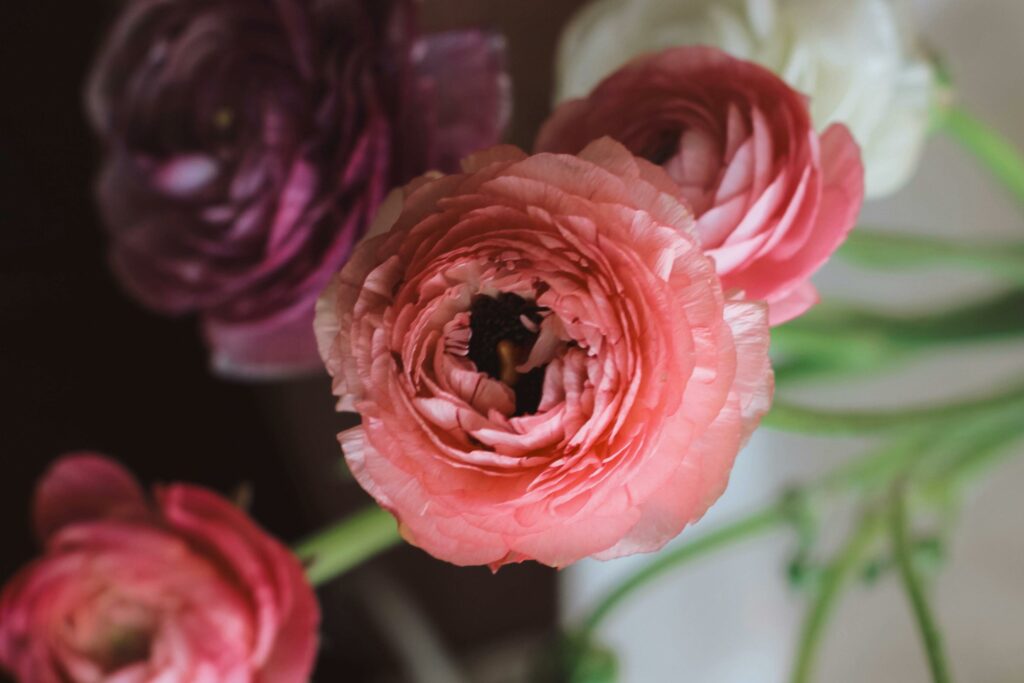
Himalayan balsam, introduced to Europe in the 19th century as an ornamental plant, is known for its tall growth and distinctive pink flowers. But its ability to dominate wetlands and watercourses has made it one of the EU’s most problematic invaders.
The species grows rapidly and produces large volumes of seeds that can travel long distances, particularly along rivers. Conservationists warn that this allows it to form dense stands that crowd out native vegetation, disrupt food sources for pollinators, and weaken soil stability. In many infested areas, riverbanks become more prone to erosion once the plant dies back in winter.
Strict Controls to Halt Further Spread
Under the EU ban, commercial nurseries and retailers must withdraw the plant from sale and destroy existing stock. Gardeners are no longer permitted to cultivate it, and transportation of the plant or its seeds — even between private individuals — is now prohibited.
Authorities in several Member States are preparing enforcement guidance and public information campaigns to ensure compliance. In some jurisdictions, knowingly allowing Himalayan balsam to grow in the wild could result in penalties.
Environmental and Economic Stakes
The ban forms part of the EU’s wider strategy to curb invasive species, which collectively cost Member States billions each year in ecological damage, control efforts and economic losses. Environmental agencies say reducing the spread of Himalayan balsam is essential for restoring natural riverbank habitats, improving biodiversity, and preventing long-term degradation of water systems.
Long Road to Restoration
While the prohibition aims to limit new introductions, officials acknowledge that significant work lies ahead. Himalayan balsam already occupies large areas across Europe, and its seeds remain viable in soil for years. Effective removal typically requires repeated clearing efforts and coordinated action among landowners, water authorities and conservation volunteers.
Despite these challenges, environmental groups have welcomed the ban as a critical step toward halting the plant’s advance. Many expect it to accelerate restoration projects and reduce the long-term pressure on vulnerable ecosystems.