
Planning wedding flowers on a budget doesn’t mean sacrificing beauty—it means being strategic about where you spend and where you save. Here’s how to make the most impact with your floral budget.
Start with What Matters Most
Before you cut anything, identify which flowers will be most visible and meaningful to you. The ceremony backdrop and your bridal bouquet are typically the stars of your photos, so these usually deserve priority. Reception centerpieces, while lovely, get less camera time and can often be simplified without anyone noticing.
Think about your venue too. If you’re getting married in a naturally beautiful space like a garden or historic building, you may need minimal flowers since the location does the decorating for you. A bare ballroom, on the other hand, might need more strategic focal points.
The High-Impact Areas
Your bridal bouquet is worth investing in since it appears in countless photos and you’ll carry it throughout your ceremony. This doesn’t mean it needs to be huge or filled with exotic blooms, but it should feel special and photograph well.
The ceremony site typically offers the best return on investment. Guests are seated facing one direction for 20-30 minutes, all eyes on the same spot. A beautiful arrangement at the altar or an adorned arch creates a stunning backdrop for your vows and photos. If you’re having both ceremony and reception in the same space, consider designs that can be moved and repurposed rather than creating separate arrangements for each.
Where You Can Strategically Save
Bridesmaid bouquets can be much simpler than yours. Consider giving them single-stem flowers, smaller hand-tied bouquets, or even non-floral alternatives like greenery bundles or ribbon wands. The visual impact in photos comes from the coordinated look, not the complexity of each bouquet.
Reception centerpieces are prime candidates for creative budgeting. Alternate between tall and short arrangements, or even between floral centerpieces and non-floral options like candles, lanterns, or potted plants. Many couples do elaborate florals on every third table and simpler greenery-based designs on the others—guests rarely notice the variation.
Aisle flowers can be skipped entirely or replaced with petals, lanterns, or even just a beautiful runner. If you want aisle markers, consider doing every other row rather than every seat.
Smart Flower Choices
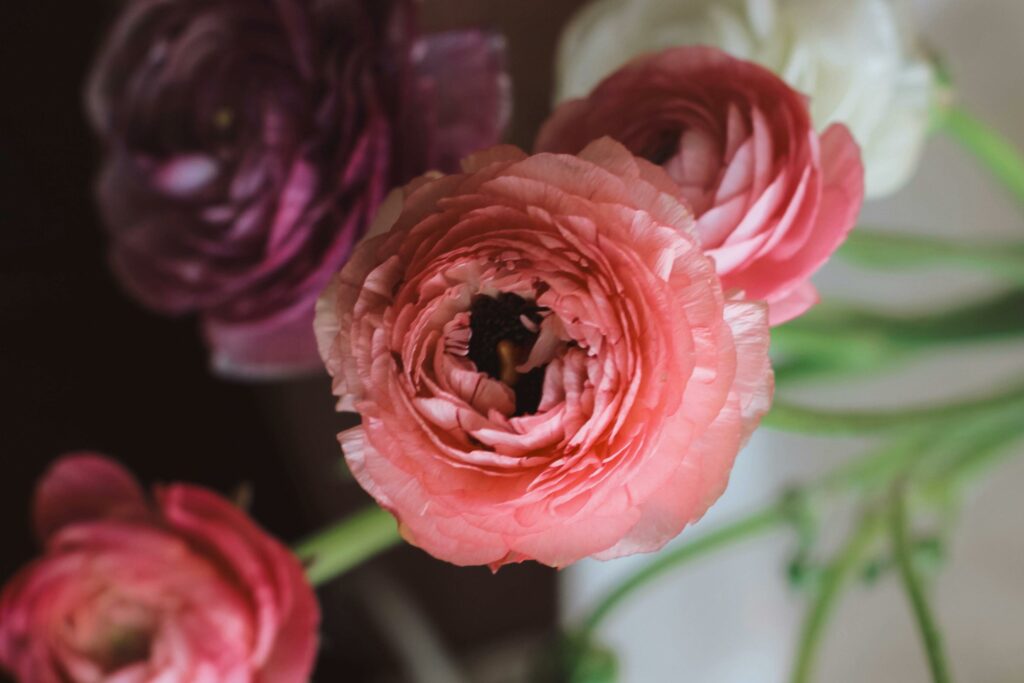
In-season blooms cost significantly less than out-of-season imports. A spring wedding benefits from tulips, peonies, and ranunculus, while fall celebrations look stunning with dahlias, chrysanthemums, and autumn foliage. Your florist can guide you on what’s abundant during your wedding month.
Greenery is your budget’s best friend. Eucalyptus, ferns, ivy, and olive branches add volume and texture for a fraction of the cost of flowers. A design that’s 60% greenery and 40% blooms can look just as lush as an all-flower arrangement while costing considerably less.
Some flowers simply give you more for your money. Carnations have gotten an unfair reputation but look beautiful when used in monochromatic arrangements. Alstroemeria, stock, and spray roses are affordable and abundant. Baby’s breath, once considered filler, has become trendy as a standalone flower for good reason—it creates a soft, romantic look at a very low cost.
Creative Alternatives and Additions
Potted plants or succulents work wonderfully as centerpieces and double as guest favors. Grocery store flowers, when purchased a few days early and arranged yourself or with help from crafty friends, can look surprisingly professional. Dried flowers and pampas grass have surged in popularity and can be bought well in advance without wilting concerns.
Consider non-floral elements to stretch your budget further. Candles in varied heights add romance and ambiance. Fruit displays (think lemons, figs, or pomegranates) add color and interest. Vintage books, photos, or meaningful objects can anchor centerpieces while flowers accent them.
Practical Logistics
Talk to your florist honestly about your budget from the first conversation. A good florist will work with you to create something beautiful within your constraints rather than trying to upsell you. Ask about their minimum order requirements, delivery fees, and setup charges—these can add hundreds to your final bill.
Timing matters too. Friday or Sunday weddings sometimes come with lower florist fees than Saturdays. Avoiding major flower holidays (Valentine’s Day, Mother’s Day) can also help your budget stretch further.
The Power of Strategic Placement
Place your most elaborate arrangements where people naturally gather and take photos—the entrance, the bar area, or the sweetheart table. These create beautiful moments without requiring flowers everywhere.
Remember that lighting makes a huge difference. A simple arrangement under a spotlight or in golden hour sunlight looks far more impressive than elaborate flowers in dim corners.
Final florist Tips
The goal isn’t to have flowers everywhere—it’s to have beautiful flowers where they matter. Many couples realize after their wedding that no one noticed or commented on certain floral elements they stressed over, while a single stunning installation became the talk of the evening.
Start by allocating your budget to your top three priorities, then see what’s left for everything else. You might decide that an incredible ceremony backdrop and your bouquet are all you really need, with simple greenery handling the rest. That’s not only okay—it’s often the most elegant approach.