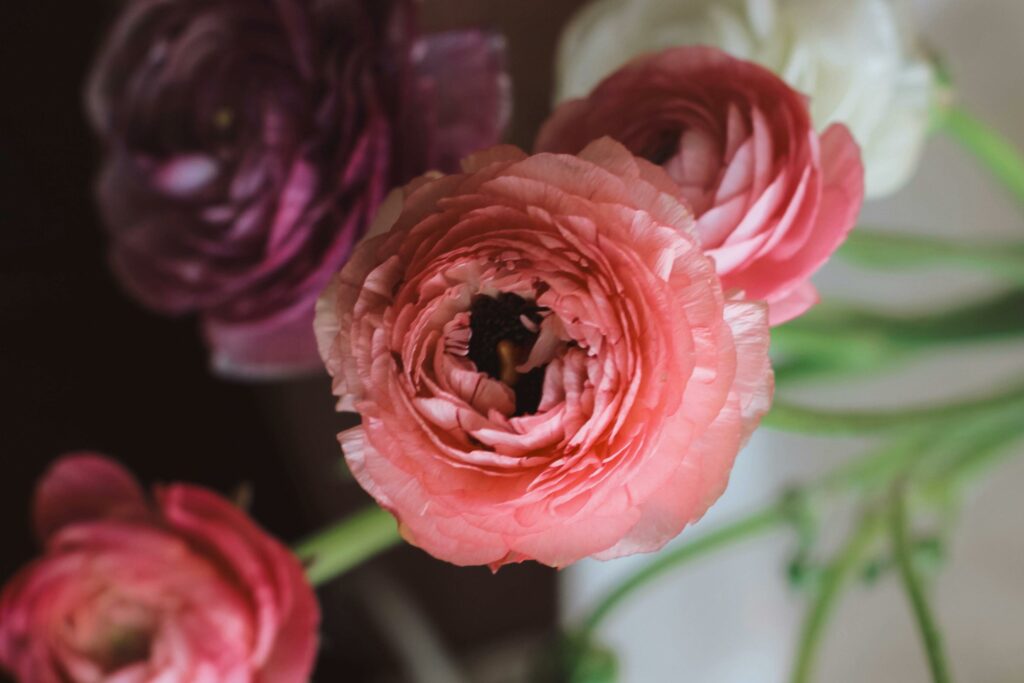

Flowers have long been woven into the imagery of Christmas carols, often carrying rich symbolic meanings tied to faith, hope, love, and celebration. While some carols mention flowers directly, others evoke them through metaphor or tradition. Understanding these floral symbols adds depth to the songs and highlights the enduring interplay between nature and spiritual storytelling.
1. Poinsettia – The Flower of the Holy Night
Symbolism: Purity, the Star of Bethlehem, and the blood of Christ
Appearance in Carols: Though not always named, the red and green of the poinsettia are often referenced in carols celebrating Christ’s birth.
Example Themes:
- Red petals: Symbolize the sacrifice of Christ.
- Star-shaped blooms: Represent the Star of Bethlehem guiding the Magi.
Notable Carols: - “The Friendly Beasts” (mentions nativity settings where poinsettias are often present in modern interpretations).
- Modern carols and Christmas songs frequently reference “red and green” as metaphoric nods to the flower.
2. Rose – Love and the Virgin Birth
Symbolism: Love, the Virgin Mary, and divine beauty
Historical Note: Known as the “Rose of Sharon” or “Mary’s Rose,” roses in carols often symbolize Mary’s purity and motherhood.
Notable Carols:
- “Lo, How a Rose E’er Blooming”
- Meaning: The rose foretells Christ’s birth, representing hope and divine love.
- “Gabriel’s Message” (traditional Basque carol)
- Floral imagery: Mentions flowers metaphorically to express Mary’s grace.
3. Lily – Purity and Divine Grace
Symbolism: Virginity, purity, and divine announcement
Carols Connection: Lilies often appear in lyrics describing the Annunciation or the nativity.
Notable Carols:
- “Lo, How a Rose E’er Blooming” (again, rose imagery often intertwined with lily symbolism in early German versions).
- “Gabriel’s Message” (the lily is a common motif in depictions of the angelic visit).
4. Holly – Eternal Life and Protection
Symbolism: Immortality, protection, and Christ’s crown of thorns
Appearance in Carols: Holly is frequently named for its red berries and green leaves, symbolizing life and the passion of Christ.
Notable Carols:
- “The Holly and the Ivy”
- Interpretation: Holly represents Christ and the ivy symbolizes the faithful.
- “Good King Wenceslas” (less directly, holly imagery appears in traditional seasonal depictions).
5. Ivy – Fidelity and Eternal Life
Symbolism: Faithfulness, eternal life, and the Christian soul’s resilience
Appearance in Carols: Often paired with holly in medieval carols, ivy represents the soul’s endurance and connection to God.
Notable Carols:
- “The Holly and the Ivy”
- Ivy climbing around holly mirrors the human soul growing in faith.
6. Other Floral Imagery
- Mistletoe: Love, reconciliation, and peace; appears indirectly in festive songs celebrating togetherness.
- Winter Flowers (Snowdrops, Hellebores): Hope, rebirth, and new beginnings; occasionally referenced metaphorically in carols as symbols of purity and the coming light.
Tips for Exploring Flower Symbolism in Carols
- Look at historical context: Many carols were composed in regions with strong floral symbolism traditions.
- Pay attention to colors: Red, white, and green often carry layered meanings beyond mere decoration.
- Consider biblical references: Flowers in carols often draw from biblical metaphors (rose of Sharon, lily of the valley).
- Notice seasonal flowers: Some imagery reflects winter blooms that carry deeper metaphors of hope and endurance.
Florist viewpoint
Flowers in Christmas carols are more than decorative imagery—they are symbols of faith, hope, and the divine narrative of Christ’s birth. By understanding the meanings behind poinsettias, roses, lilies, holly, and ivy, listeners can uncover a richer, more spiritually resonant experience in the songs we sing every December.