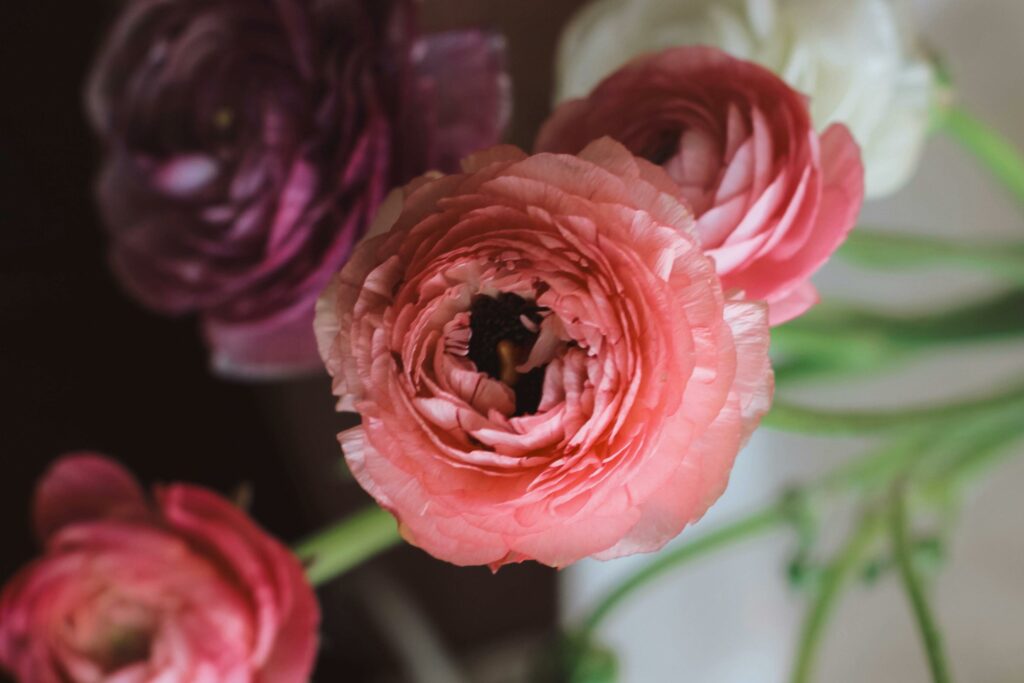

Flowers have long been the silent storytellers of weddings, carrying messages that transcend language. From the delicate petals tucked into a bride’s hair to the grand floral arches framing the altar, each bloom tells a story of love, hope, and prosperity. Across cultures, flowers are more than decoration—they are symbols, talismans, and expressions of emotion, woven into the ritual of marriage in fascinating ways.
Roses: The Universal Language of Love
No flower is more universally linked to romance than the rose. In Western weddings, a bouquet of red roses is a timeless emblem of passionate love, while white roses convey purity and new beginnings. Soft pink roses are often chosen to express joy, admiration, and gentle affection, offering a nuanced palette of emotions for the bride’s bouquet.
Travel east, and the symbolism subtly shifts. In China, red roses are considered auspicious and bring happiness to newlyweds, whereas white roses, often associated with mourning, are avoided. In the Middle East, roses carry spiritual undertones, symbolizing divine love and the beauty of life shared in union. The rose’s ability to communicate both passion and purity makes it a perennial favorite across continents.
Lilies: Purity and Fertility in Bloom
Lilies have graced wedding ceremonies for centuries, admired for their elegance and fragrance. White lilies, in particular, are associated with purity, virtue, and refined beauty. In Western traditions, their inclusion in bridal bouquets and floral arrangements evokes innocence and the promise of a new beginning.
In Asia, their symbolism often encompasses fertility and good fortune. In China and Japan, lilies are believed to bless couples with prosperous unions and many children. Victorian brides in England adorned their bouquets with lilies to convey sophistication and feminine virtue, a tradition that continues to inspire modern weddings.
Peonies: The Flower of Prosperity and Romance
Few flowers rival the peony in its association with romance and prosperity. In China, the peony is revered as the “king of flowers,” representing wealth, honor, and high social status. Including peonies in a wedding is believed to bless the couple with happiness and a bountiful life together.
In Western weddings, the peony is celebrated for its lush, full petals and soft, romantic colors, symbolizing compassion and happy marriages. Its presence in a spring wedding bouquet is a nod to both natural beauty and timeless sentiment.
Orchids: Exotic Beauty and Enduring Love
Orchids have long symbolized refinement, strength, and rare beauty. In Western cultures, these exotic flowers are associated with luxury and sophistication, often gracing opulent bridal bouquets and wedding centerpieces. Southeast Asian traditions imbue orchids with the wish for fertility and refinement, making them a common feature in garlands and ceremonial decorations.
Historically, in Ancient Greece, orchids were linked to virility and abundance, revealing a layer of symbolism that connects strength and love in matrimony. Their delicate, symmetrical blooms capture a sense of timeless elegance that resonates across cultures.
Marigolds: The Sunlit Flowers of Joy
In Indian weddings, marigolds are indispensable. Their vibrant orange and yellow hues symbolize joy, creativity, and sacredness. Strung into garlands or used to decorate the mandap (wedding altar), marigolds are thought to attract prosperity and ward off evil spirits, bringing blessings to the newlyweds.
Though less common in weddings elsewhere, marigolds in Mexico—known as cempasúchil—celebrate life and remembrance during the Day of the Dead. While not a wedding tradition, the flower’s associations with life, vibrancy, and protection echo similar meanings found in South Asian ceremonies.
Jasmine: Fragrant Symbols of Devotion
Few scents evoke romance like jasmine. Its delicate, intoxicating fragrance has made it a symbol of purity, grace, and divine love in many Asian cultures. Brides in India and Southeast Asia often weave jasmine flowers into their hair or wear them in garlands, signifying devotion, elegance, and fidelity.
In the Philippines, the sampaguita (Jasmine) represents loyalty and enduring love. Its subtle scent becomes a fragrant metaphor for the invisible yet powerful bonds of marriage—a reminder that true love is both seen and felt.
Lavender, Tulips, and Camellias: A Palette of Meaning
Lavender, with its soft purple hue, evokes calm, devotion, and healing in Western traditions. Often added to bouquets, it provides a subtle fragrance and an aura of tranquility, perfect for weddings steeped in romantic serenity. Tulips, long associated with perfect love, grace, and elegance, have been celebrated in the Netherlands and Persia alike as symbols of true, enduring affection. Meanwhile, camellias are revered in East Asia for representing admiration, refinement, and eternal love, often incorporated into bouquets or bridal hairpieces.
The Role of Color in Flower Symbolism
Color plays a critical role in the language of flowers. White often signifies purity in the West but mourning in China; red conveys passion in Europe and good fortune in Asia; pink evokes admiration and joy, while yellow ranges from optimism to royalty, depending on cultural context. Purple suggests luxury, nobility, and spiritual depth. Choosing flowers for a wedding, therefore, is as much about color as it is about type—a way to layer meaning and emotion into the ceremony itself.
Flowers as Cultural Storytellers
Across the globe, flowers do more than decorate—they narrate a story. In Western weddings, arrangements and bouquets are carefully curated to reflect love, devotion, and joy. In India, every marigold garland or jasmine braid carries blessings of prosperity, fertility, and protection. In Japan, the ephemeral beauty of sakura (cherry blossoms) reminds couples of life’s fleeting and precious moments. Across the Middle East and Africa, floral arrangements often symbolize community, protection, and the continuity of life.
Flowers are the poetry of weddings, silent yet expressive. They speak of love, hope, prosperity, and the shared joy of two lives uniting. When chosen thoughtfully, each bloom becomes a chapter in the story of the couple—a living testament to tradition, culture, and the universal human desire to celebrate love.