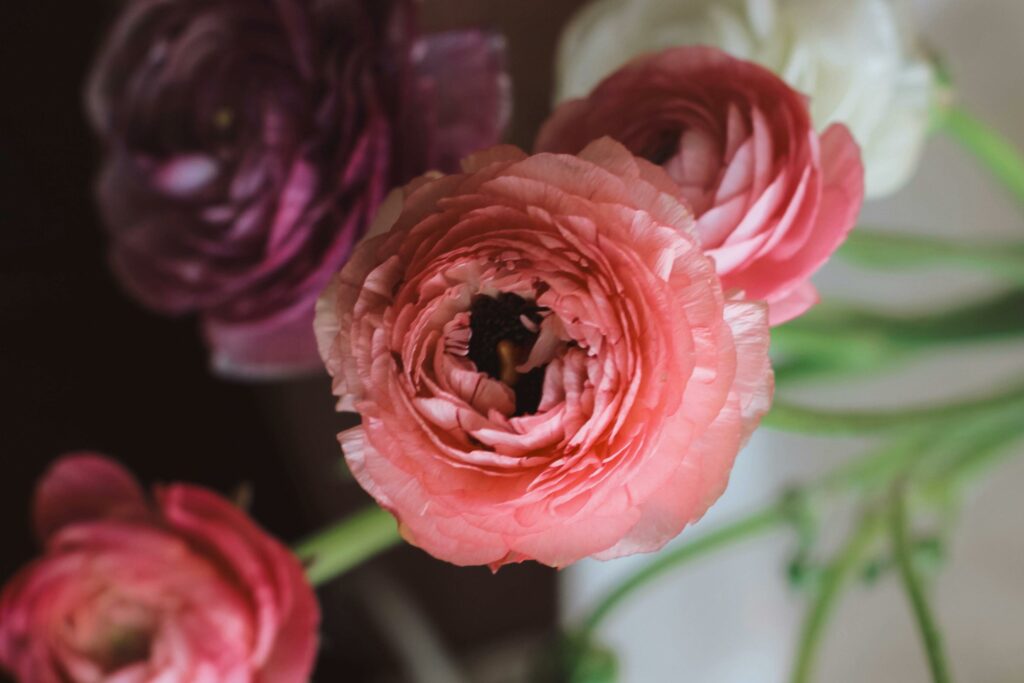

Garden roses have captivated humanity for centuries, and the world’s finest rose gardens offer immersive experiences where thousands of varieties bloom in meticulously designed landscapes. From historic collections preserving ancient cultivars to modern displays showcasing cutting-edge breeding, these gardens represent the pinnacle of rose cultivation. Here’s where to find the most spectacular rose gardens across the globe.
Europe
Roseraie du Val-de-Marne (L’Haÿ-les-Roses, France) Established in 1894, this is one of the world’s oldest and most prestigious rose gardens. Located just outside Paris, it houses over 3,000 varieties including rare historical roses, old garden roses, and modern hybrids. The collection includes Empress Joséphine’s varieties and exceptional specimens of Gallicas, Damasks, and Bourbons. Peak bloom occurs from late May through June, with a strong second flush in September. The garden’s romantic design and historical significance make it essential for serious rose enthusiasts.
Roseto Comunale (Rome, Italy) Set on the slopes of the Aventine Hill with stunning views of the Circus Maximus, Rome’s municipal rose garden contains approximately 1,100 varieties. The garden opens only during blooming season (May and June), creating an anticipatory event each spring. It hosts an annual international competition for new rose varieties, showcasing the latest breeding achievements alongside established favorites. The Mediterranean setting provides ideal growing conditions for both historic and modern roses.
Rosarium Sangerhausen (Sangerhausen, Germany) Home to the world’s largest rose collection with over 8,700 varieties, this garden in central Germany is unparalleled in scope. The collection spans from medieval roses to the latest introductions, with exceptional holdings of species roses, old garden roses, and modern hybrids. June is prime visiting time, though the garden maintains interest throughout the growing season. The systematic arrangement allows visitors to trace rose breeding history across centuries.
Queen Mary’s Rose Garden, Regent’s Park (London, England) London’s premier rose garden features approximately 12,000 roses representing 85 varieties in formal beds surrounding a gorgeous lake. The garden showcases primarily modern roses, including hybrid teas, floribundas, and English roses bred by David Austin. Peak bloom runs from June through July, with the classic English garden setting providing the perfect backdrop for these quintessentially British flowers.
Real Jardín Botánico de Madrid (Madrid, Spain) The rose garden within Madrid’s botanical garden, known as La Rosaleda, contains over 600 varieties arranged in elegant geometric patterns. The collection emphasizes Spanish-bred roses alongside international cultivars. May and June offer the best displays, and the garden’s location in central Madrid makes it easily accessible for combining rose viewing with urban exploration.
North America
International Rose Test Garden (Portland, Oregon, USA) Founded in 1917, this is America’s oldest public rose test garden and remains one of the most important. Set in Washington Park with views of Mount Hood, it contains more than 10,000 roses representing 650 varieties. The garden serves as an All-America Rose Selections test site, where new varieties are evaluated. Peak bloom extends from June through September, with July and August being especially spectacular. The Pacific Northwest climate provides ideal conditions for lush, healthy roses.
The Huntington Rose Garden (San Marino, California, USA) Part of the larger Huntington Library, Art Museum, and Botanical Gardens, this collection features approximately 4,000 roses representing 1,400 varieties. The garden’s historical collection includes rare tea roses and important historic cultivars that thrive in Southern California’s mild climate. The garden demonstrates roses’ evolution through themed sections covering different eras and classes. April through May brings peak bloom, with good displays continuing into fall.
Brooklyn Botanic Garden’s Cranford Rose Garden (Brooklyn, New York, USA) Established in 1928, this formal rose garden contains nearly 5,000 roses representing over 1,400 varieties. The collection balances historic and modern roses, with excellent specimens of hybrid teas, floribundas, and shrub roses. The garden’s design features elegant arches, pergolas, and geometric beds. June is the peak blooming month, offering spectacular displays in an urban oasis setting.
Montreal Botanical Garden (Montreal, Quebec, Canada) The rose garden within this world-class botanical institution features approximately 10,000 roses representing 900 varieties. The collection emphasizes hardy roses suitable for cold climates, including Canadian-bred varieties like the Explorer and Parkland series. Late June through July provides peak bloom, with the garden demonstrating which roses can thrive despite harsh winters.
Peggy Rockefeller Rose Garden, New York Botanical Garden (Bronx, New York, USA) This recently redesigned garden showcases approximately 3,500 roses with emphasis on sustainability and disease resistance. The collection features David Austin English roses, modern shrub roses, and select hybrid teas arranged in a contemporary landscape design. Peak bloom occurs in June and early July, with the innovative design demonstrating roses’ role in modern, low-maintenance gardens.
Asia
Keisei Rose Garden (Yachiyo, Chiba, Japan) One of Japan’s premier rose gardens, featuring over 10,000 roses representing 1,600 varieties including many Japanese-bred cultivars. The garden showcases both Western and Japanese aesthetic approaches to rose growing. Spring bloom peaks in mid-May through early June, with a strong autumn display in October and November. The collection includes exceptional specimens of hybrid teas, floribundas, and climbing roses.
Seoul Grand Park Rose Garden (Gwacheon, South Korea) Home to approximately 30,000 roses representing 280 varieties, this garden ranks among Asia’s largest. The collection emphasizes fragrant varieties and includes both Western and Korean-bred roses. Late May through early June offers peak bloom, with the garden’s amphitheater design creating dramatic mass plantings. The setting combines formal European-style gardens with Korean landscape elements.
Jindai Botanical Garden (Chofu, Tokyo, Japan) The rose garden section contains about 5,000 roses representing 400 varieties, with particular strength in climbing roses displayed on extensive trellises and arches. The collection includes many French and English varieties alongside Japanese cultivars. Mid-May through June brings the main bloom, with the garden’s naturalistic design style contrasting with more formal European rose gardens.
Australia and New Zealand
National Rose Garden (Werribee Park, Victoria, Australia) Australia’s premier rose garden features approximately 5,000 roses representing 500 varieties arranged in formal Victorian-style gardens. The collection emphasizes roses suitable for Australian conditions, including heat-tolerant varieties. October through December (spring) and March through April (autumn) provide the best displays. The historic mansion setting adds grandeur to the rose displays.
Christchurch Botanic Gardens Rose Garden (Christchurch, New Zealand) This garden contains approximately 2,500 roses representing 250 varieties in a charming English-style setting. The collection includes many David Austin English roses and New Zealand-bred varieties. November through January (summer) offers peak bloom, with the garden demonstrating how roses thrive in New Zealand’s temperate climate.
Middle East and Africa
Al Ain Paradise Rose Garden (Al Ain, United Arab Emirates) This garden holds the Guinness World Record for the world’s largest vertical garden and features extensive rose plantings. The collection emphasizes roses that can tolerate extreme heat with proper care. March through May offers the best displays before summer heat arrives. The garden demonstrates innovative approaches to growing roses in desert climates.
Company’s Garden (Cape Town, South Africa) The historic rose garden within Company’s Garden features hundreds of roses thriving in Cape Town’s Mediterranean climate. The collection includes both historic and modern varieties. October through December (spring) provides peak bloom, with the garden’s location in central Cape Town making it easily accessible.
Planning Your Rose Garden Visits
Timing varies by hemisphere and climate. Northern hemisphere gardens peak from May through June with secondary blooms in autumn. Southern hemisphere gardens peak from October through December. Research specific gardens for local bloom times.
Visit during peak season for maximum impact. Most rose gardens are at their absolute best during their first major bloom flush, typically lasting three to four weeks. However, repeat-blooming modern roses provide color throughout the growing season.
Consider fragrance. Many historic roses and English roses offer intense fragrance absent from some modern hybrid teas. Visit on warm mornings when fragrance is strongest.
Photograph thoughtfully. Early morning and late afternoon provide the best light for rose photography. Many gardens allow photography but may restrict tripods or commercial shoots.
Take notes. Gardens typically label varieties, allowing you to record favorites for your own garden. Many gardens also sell roses from their collections.
Combine with other attractions. Many major rose gardens are part of larger botanical gardens or parks, offering full-day experiences beyond roses alone.
Check opening times. Some gardens, particularly in Europe, open only during blooming season or have restricted hours. Verify schedules before visiting.
The experience of walking through a great rose garden at peak bloom—surrounded by thousands of roses in every color and form, their fragrance filling the air—represents one of gardening’s supreme pleasures. These gardens preserve centuries of breeding history while showcasing modern achievements, offering inspiration and knowledge to visitors while celebrating humanity’s enduring love affair with the rose.