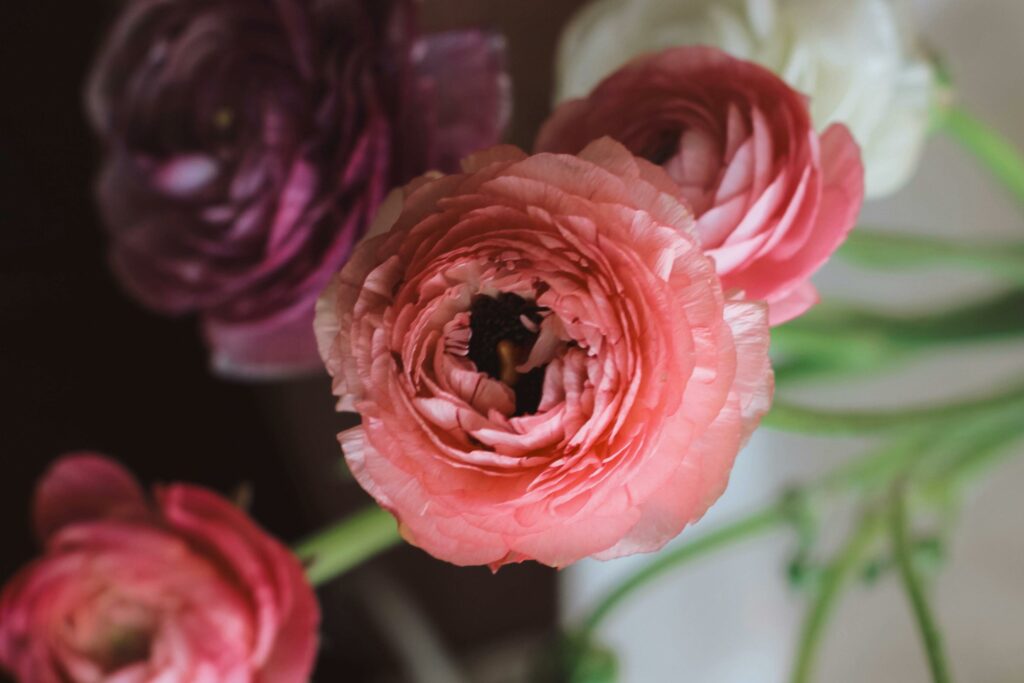

A botanical guide to nature’s most soothing blooms
When the world refuses to quiet down and your mind keeps replaying the day, flowers have been offering relief for centuries. Long before sleep trackers and supplements, people turned to delicate petals, fragrant blossoms, and calming infusions to ease the body into rest.
These are not flowers that knock you out. They are flowers that invite sleep—softening the nervous system, slowing racing thoughts, and helping the body remember how to drift naturally into deep rest.
Welcome to nature’s night garden.
Chamomile: The Gentle Classic
If sleep had a signature scent, chamomile might be it.
Soft, apple-like, and comforting, chamomile is the flower most associated with bedtime—and for good reason. Its calming compounds gently interact with the brain’s relaxation pathways, making it ideal for those who struggle with anxiety, light sleep, or nighttime digestive discomfort.
Why it works
Chamomile contains apigenin, a compound that binds to GABA receptors in the brain, encouraging calm without sedation. It soothes both mental tension and the digestive system, which often interferes with sleep.
How to enjoy it
- Evening tea made from dried flowers
- Essential oil diffused before bed
- Dried flowers in a pillow or bedside sachet
Best for: Sensitive sleepers, beginners, and those seeking comfort rather than strong effects.
Lavender: The Queen of Calm
Lavender does not whisper—it reassures.
Its unmistakable floral scent has become synonymous with relaxation, and research supports its reputation. Lavender helps slow heart rate, lower stress hormones, and prepare the body for deeper sleep cycles.
Why it works
Lavender stimulates the parasympathetic nervous system, the body’s “rest and digest” mode. It is particularly effective for stress-related insomnia and nighttime overthinking.
How to enjoy it
- A few drops of essential oil on your pillow or sheets
- Diffused during a nighttime wind-down routine
- Lavender-infused bath salts or oils
Best for: Overthinkers, people under chronic stress, and restless sleepers.
Passionflower: The Mind Calmer
Passionflower is for nights when the body is exhausted but the mind refuses to slow down.
Traditionally used for nervous tension and circular thinking, this intricate bloom has a grounding effect that feels mentally quieting without heaviness.
Why it works
Passionflower increases levels of GABA in the brain, which reduces mental chatter and anxiety. It is especially useful for sleep disrupted by worry or intrusive thoughts.
How to enjoy it
- Herbal tea taken 30–60 minutes before bed
- Tinctures for more pronounced effects
Best for: Anxiety-driven insomnia and racing thoughts.
Jasmine: The Subtle Seducer
Jasmine’s power lies in its delicacy.
Often overlooked as a sleep aid, jasmine has been shown to improve sleep quality and reduce nighttime movement. Its scent is calming without being overwhelming, making it ideal for those sensitive to stronger aromas.
Why it works
Jasmine’s aroma has been shown to reduce anxiety and promote deeper sleep phases, similar in effect to some mild sedatives—but without grogginess.
How to enjoy it
- Jasmine tea in the early evening
- Light diffusion of jasmine essential oil
Best for: Light sleepers and those sensitive to strong herbal flavors.
Magnolia: Deep Nervous System Support
Magnolia flowers have been used in traditional medicine for centuries to calm the spirit and ground the body.
Less common but deeply effective, magnolia is particularly helpful for people whose sleep issues stem from prolonged stress.
Why it works
Magnolia contains honokiol and magnolol, compounds that reduce cortisol and calm the nervous system, supporting deeper and more restorative sleep.
How to enjoy it
- Extracts or supplements (used cautiously)
- Blended teas designed for deep relaxation
Best for: Chronic stress, burnout, and shallow sleep.
How to Create a Floral Sleep Ritual
Flowers work best when paired with intention and consistency.
- Choose one or two flowers rather than many
- Use them nightly to build a sleep association
- Pair with dim lighting, reduced screen time, and slow breathing
Sleep rituals signal safety to the nervous system. Flowers amplify that signal.
A Final Note on Safety
Most sleep-supporting flowers are gentle, but moderation matters. If you are pregnant, on medication, or managing a health condition, consult a professional before using concentrated extracts or supplements.
Deep sleep is not something to chase.
Sometimes, it arrives only when invited—by warmth, scent, stillness, and the quiet intelligence of flowers.