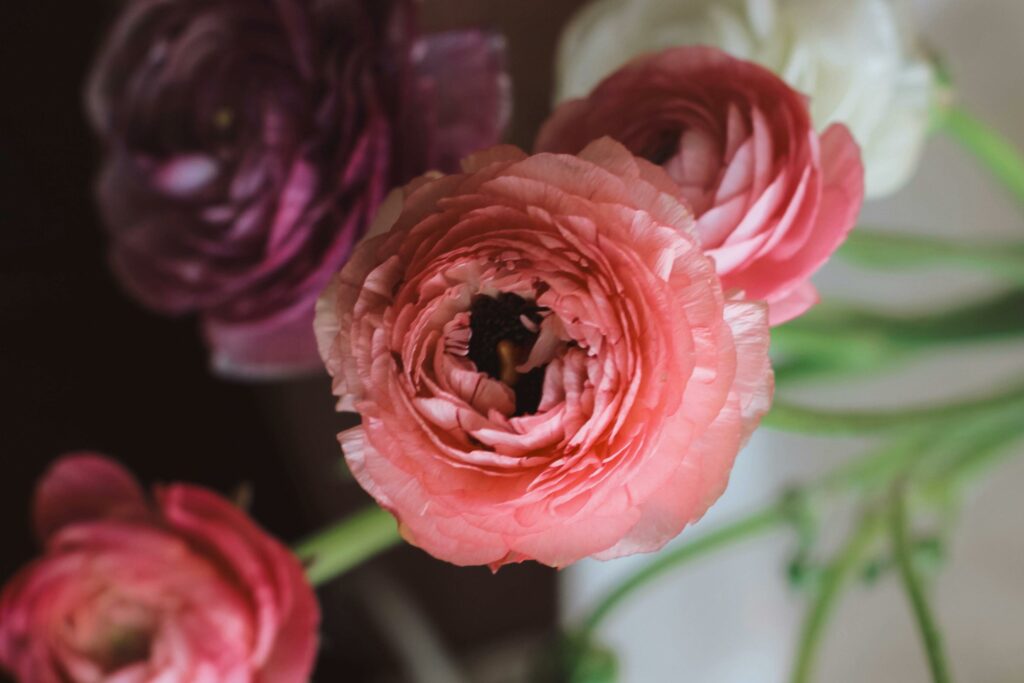

For those who live for petals and panoramas, the world offers trails where nature paints with unrivaled brilliance. From alpine meadows to desert carpets, these hikes immerse you in color, scent, and wonder. Here’s your ultimate guide.
1. Valley of Flowers, Himalayas, India
- Location: Uttarakhand, India
- Highlights: Nestled in the rugged Himalayas, the Valley of Flowers is a UNESCO World Heritage site renowned for its kaleidoscopic alpine meadows. Over 500 species of flowering plants thrive here, including Himalayan blue poppies, primulas, rhododendrons, and orchids. Streams trickle across the valley, reflecting the rainbow of blooms, creating a surreal paradise for botanists and photographers alike.
- Best Time: July to early September (post-monsoon bloom at its peak)
- Difficulty: Moderate (17 km round-trip, altitude ~3,500 meters)
- Cultural Context: The trek starts at Govindghat, passing through quaint villages where locals practice traditional Himalayan agriculture. You’ll also see medicinal plants revered in Ayurvedic medicine.
- Insider Tips:
- Hire a local porter; altitude makes even moderate treks challenging.
- Stay hydrated and take rest stops—oxygen is thinner at high elevations.
- Dawn hikes are magical: mists rise over meadows, and flowers glisten with dew.
2. Anza-Borrego Desert, California, USA
- Location: Southern California
- Highlights: Few places showcase the drama of desert blooms like Anza-Borrego. After winter rains, the barren landscape explodes with color: golden desert lilies, vibrant California poppies, and delicate sand verbena. Wildlife such as desert bighorn sheep and hummingbirds add extra charm.
- Best Time: February to April (variable with rainfall)
- Difficulty: Easy to moderate; trails range from short loops to longer canyon hikes
- Local Flavor: The park is steeped in Native American history, and petroglyphs dot the landscape. A desert bloom hike can feel like stepping into a living, colorful storybook.
- Insider Tips:
- Check annual bloom reports—they’re unpredictable but spectacular when abundant.
- Bring sun protection and plenty of water; the desert heat is intense even in spring.
- Photography tip: low sun angles highlight the vibrant colors of desert flowers against the rust-colored soil.
3. Table Mountain National Park, Cape Town, South Africa
- Location: Cape Town, South Africa
- Highlights: Table Mountain’s fynbos vegetation is one of the richest floral kingdoms on Earth, home to thousands of species found nowhere else. Look for king proteas, creeping ericas, and vividly colored restios. Trails wind over sandstone cliffs and valleys, offering panoramic views of the city, ocean, and the Atlantic coastline.
- Best Time: August to November (Southern Hemisphere spring)
- Difficulty: Moderate to strenuous; from the iconic Platteklip Gorge to the enchanting Skeleton Gorge, each path reveals unique flora.
- Cultural Context: The Cape floral kingdom has deep ecological importance. Indigenous Khoisan peoples traditionally used many plants for medicine and food.
- Insider Tips:
- Combine a hike with a cable car descent for aerial flower views.
- Early morning visits avoid the tourist crowds and reveal misty valleys blanketed with blooms.
- Wear good footwear; trails can be rocky and slippery after spring rains.
4. Mount Cook National Park, New Zealand
- Location: South Island, New Zealand
- Highlights: Towering glaciers, turquoise lakes, and alpine meadows create a dramatic backdrop for endemic alpine flowers like Mount Cook buttercups, gentians, and daisies. Trails range from family-friendly walks to challenging backcountry treks. Wildflowers cling to rocky slopes, rewarding hikers with bursts of color in stark alpine terrain.
- Best Time: December to February (summer)
- Difficulty: Moderate; short day hikes to multi-day treks
- Cultural Context: The area is sacred to the Māori, and many plants are intertwined with traditional stories and medicine.
- Insider Tips:
- Hooker Valley Track is perfect for flower photography with easy access.
- Bring windproof layers; weather in alpine regions changes rapidly.
- Sunrise or sunset hikes enhance the drama of flowers glowing against icy peaks.
5. Lauterbrunnen Valley, Switzerland
- Location: Bernese Oberland, Switzerland
- Highlights: Known as the “Valley of 72 Waterfalls,” Lauterbrunnen is a fairy-tale alpine valley. Meadows explode with edelweiss, gentians, alpine asters, and orchids during the brief summer. Waterfalls, cliffs, and charming villages frame the floral spectacle.
- Best Time: June to July
- Difficulty: Moderate; many well-maintained trails suit families and serious hikers alike
- Cultural Context: Alpine meadows have been grazed for centuries, shaping the wildflower diversity. Villages maintain traditional Swiss architecture, adding cultural charm to hikes.
- Insider Tips:
- Take the cable car to Schilthorn for aerial views of floral meadows.
- Pair hikes with local cheese farms—alpine cheeses are as legendary as the scenery.
- Keep an eye out for alpine marmots amidst the flowers—they’re surprisingly friendly.
6. Torres del Paine, Patagonia, Chile
- Location: Patagonia, Chile
- Highlights: Torres del Paine combines jagged peaks, turquoise lakes, and rare alpine flowers like Calceolaria uniflora (“slipper flower”), lupines, and cushion plants. Flowers are scattered across steppe landscapes and glacial moraines, creating a surreal palette of pink, yellow, and blue against gray and white peaks.
- Best Time: November to January (summer)
- Difficulty: Moderate to strenuous; multi-day treks recommended for best flower exposure
- Cultural Context: The park has deep significance for indigenous Tehuelche people. Flora and fauna are intertwined with their history and survival traditions.
- Insider Tips:
- Patagonian weather is notoriously fickle—layer up.
- Explore less-trafficked side trails to find secluded floral meadows.
- Early morning hikes often reveal flowers glistening with frost.
7. Japan – Alpine Flowers of Mount Fuji and the Japanese Alps
- Location: Honshu, Japan
- Highlights: Cherry blossoms dominate the lowlands in spring, while alpine lilies, gentians, and rare kiku-shidare (weeping chrysanthemums) thrive in higher elevations. Mount Fuji provides an iconic backdrop, combining natural beauty with spiritual significance.
- Best Time: Late April to July
- Difficulty: Easy to moderate; alpine trails offer day hikes and multi-day adventures
- Cultural Context: Flowers are deeply embedded in Japanese culture—hanami (flower viewing) is a centuries-old tradition, and many alpine plants feature in Japanese art and poetry.
- Insider Tips:
- Visit early morning to avoid crowds at popular cherry blossom spots.
- Pack a field guide to alpine flowers—the diversity is astonishing.
- Consider guided hikes in the Japanese Alps to see rare endemic species.
8. Blue Mountains & Tasmania, Australia
- Location: New South Wales and Tasmania
- Highlights: Wildflowers flourish here with waratahs, orchids, eucalyptus blossoms, and native lilies. Tasmania’s alpine meadows bloom with endemic species such as cushion plants and triggerplants. Trails wind past gorges, waterfalls, and sandstone cliffs.
- Best Time: September to November (spring)
- Difficulty: Easy to moderate; some alpine hikes are more challenging
- Cultural Context: Aboriginal Australians have traditionally used many of these plants for food, medicine, and tools. Trails offer both ecological and cultural richness.
- Insider Tips:
- Walls of Jerusalem National Park in Tasmania is a hidden gem for solitude and blooms.
- Waratah season is spectacular but short—plan trips to coincide with peak bloom.
- Wildlife spotting (wallabies, wombats, and echidnas) adds extra charm to floral walks.
Tips for Flower-Hiking Enthusiasts
- Timing is everything: Always research bloom windows—they’re often fleeting.
- Photography essentials: Macro lens, tripod, and golden-hour hikes make flower photography shine.
- Eco-conscious hiking: Stick to trails, avoid picking flowers, and respect wildlife habitats.
- Packing smart: Layered clothing, water, sunscreen, and sturdy shoes are non-negotiable.
- Local guides: They often know hidden blooms, traditional stories, and secret trails.
This florist guide isn’t just about hiking—it’s about immersing yourself in the rhythm of the seasons, the stories of the land, and the artistry of flowers. Whether it’s alpine buttercups in New Zealand or desert poppies in California, these trails promise awe, serenity, and endless inspiration.