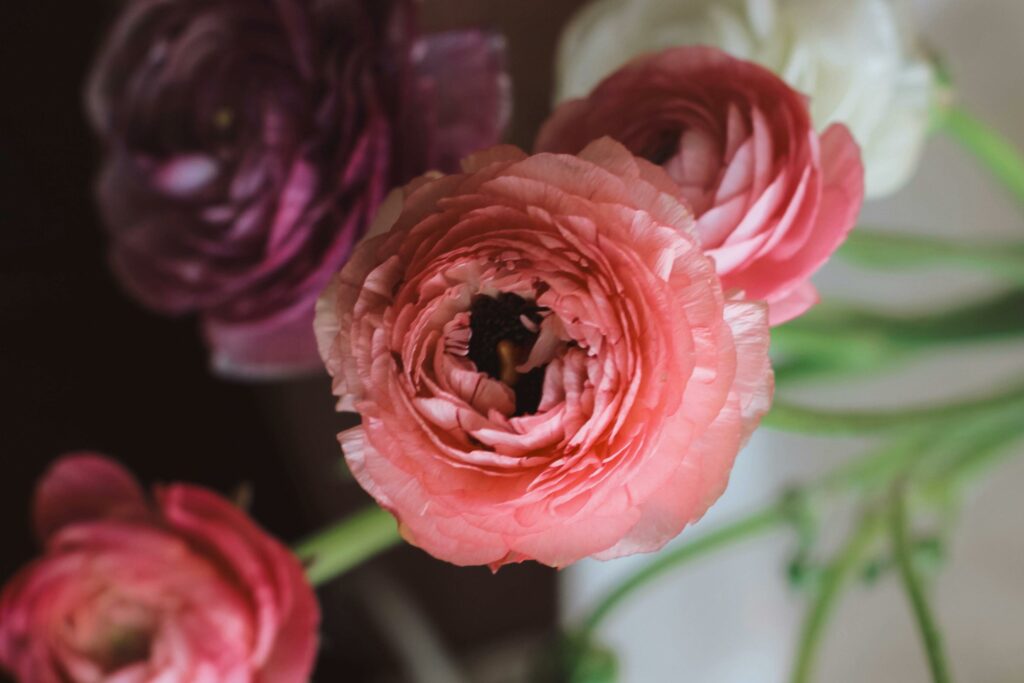

Mimosa (Acacia dealbata), often referred to as “silver wattle,” is celebrated for its bright yellow, fragrant, fluffy blooms and fern-like foliage. It is widely used in floral arrangements, bouquets, and as ornamental plants in gardens. Mimosas bloom in late winter to early spring in most regions, making them highly valued for their early-season color and scent. Key quality traits—such as bloom density, flower size, fragrance intensity, stem length, and longevity—are influenced by growing conditions. Climate, soil type, irrigation, and cultivation methods are crucial factors. This guide examines the major mimosa-producing regions, their strengths, challenges, and market considerations.
Italian Mimosa
Growing Conditions & Geography
Italy, especially the Liguria region and parts of Tuscany, is renowned for high-quality mimosa production. Mild Mediterranean winters and early springs allow for dense flowering in February and March, coinciding with International Women’s Day, when mimosa is culturally symbolic.
Characteristics
- Bright yellow, fluffy flower clusters with high bloom density.
- Strong, woody stems suitable for bouquets and arrangements.
- Fragrance is strong and pleasant.
- Cultural significance increases demand during early spring festivals.
Challenges
- Seasonal production limits availability outside late winter/early spring.
- Sensitive to frost and extreme weather conditions.
French Mimosa
Growing Conditions & Geography
The French Riviera, particularly around Nice and Cannes, is famous for mimosa production. Mild winters and early spring sunshine allow early flowering, with flowers used extensively for cut flower markets and ornamental purposes.
Characteristics
- Dense, bright yellow blooms with soft, velvety texture.
- Medium-length stems suitable for floral arrangements.
- High-quality fragrance and aesthetically pleasing foliage.
- Often cultivated for both cut flowers and festival displays.
Challenges
- Limited regional scale; mainly for domestic and niche European markets.
- Seasonal weather fluctuations can affect bloom timing.
Australian Mimosa
Growing Conditions & Geography
Australia, the native habitat of Acacia dealbata, has extensive mimosa forests in New South Wales, Victoria, and Tasmania. Wild and cultivated populations provide both cut flowers and seeds for export.
Characteristics
- Naturally fragrant, vibrant yellow blooms.
- Longer stems in some wild varieties, ideal for arrangements.
- Hardy plants with good adaptability to local climates.
- Extended flowering season in some regions due to varying climates.
Challenges
- Wild harvesting can be inconsistent in quality and stem length.
- Export logistics for delicate blooms require careful handling.
Other Notable Mimosa Regions
- South Africa: Cultivated in mild coastal climates for early cut flower supply.
- Spain & Portugal: Mediterranean climates allow outdoor cultivation for domestic markets and festivals.
- New Zealand: Small-scale cultivation for early spring floral markets.
Comparative Summary
| Region | Growing Environment | Mimosa Strengths | Challenges / Limitations |
|---|---|---|---|
| Italy | Mediterranean, Liguria & Tuscany | Dense blooms, strong stems, fragrant, culturally significant | Seasonal, frost-sensitive |
| France | Mediterranean, French Riviera | Dense, velvety blooms, medium stems, fragrant | Small-scale, seasonal weather variability |
| Australia | Native habitat, wild & cultivated | Vibrant, fragrant, long stems, hardy, adaptable | Wild harvesting inconsistent, export logistics |
| Other Regions | South Africa, Spain, Portugal, New Zealand | Early spring blooms, festival supply, domestic use | Seasonal, small scale |
Mimosa quality and market suitability are closely tied to their region of origin:
- Italy: Dense, fragrant blooms with strong stems, culturally symbolic, ideal for early spring floral markets.
- France: High-quality cut flowers with velvety texture, suitable for arrangements and festivals.
- Australia: Native, hardy plants with long stems and vibrant blooms, adaptable to various climates.
Understanding mimosa origin helps florists, event planners, and gardeners select blooms for aesthetics, fragrance, and market demand.