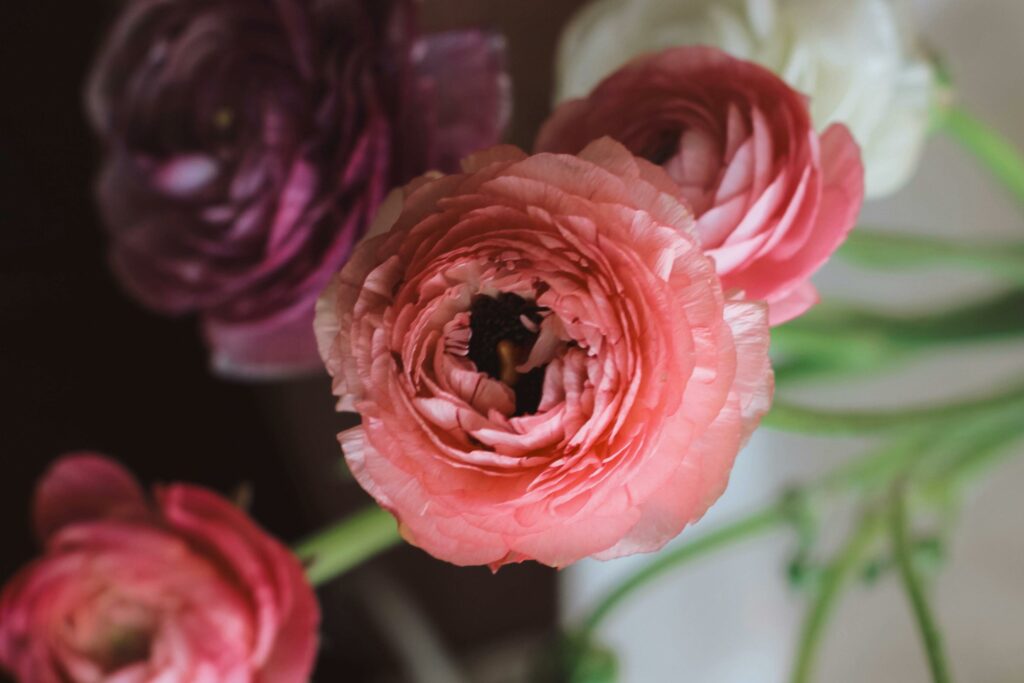

If you love flowers but suffer from hayfever, you don’t have to give up gardening or home decor. Choosing low-pollen or “allergy-friendly” flowers can let you enjoy blooms without the sneeze attacks.
What Makes a Flower Low-Pollen?
- Pollination Type: Flowers pollinated by insects (bees, butterflies) produce heavier pollen that rarely becomes airborne, unlike wind-pollinated plants.
- Pollen Quantity: Some flowers naturally produce very little pollen or pollen that sticks together, reducing its spread in the air.
- Flower Form: Closed, tubular, or double flowers can trap pollen inside, preventing it from floating around.
Best Low-Pollen Flowers for Gardens
These flowers are great for outdoor planting and attract pollinators without triggering hayfever:
| Flower | Notes |
|---|---|
| Roses (especially double-flowered) | Classic, fragrant, and low pollen exposure |
| Peonies | Large, beautiful blooms with minimal airborne pollen |
| Tulips | Bright and mostly pollen-free |
| Daffodils | Cheerful spring blooms, low pollen |
| Begonias | Perfect for shady spots, minimal pollen |
| Hydrangeas | Large clusters, pollen mostly inaccessible |
| Camellias | Winter-spring blooms with low allergy risk |
| Lily of the Valley | Sweet scent, almost no pollen |
Low-Pollen Flowers for Pots and Indoor Spaces
For indoor enjoyment, these flowers are less likely to trigger allergies:
| Flower | Notes |
|---|---|
| Orchids | Elegant and almost no airborne pollen |
| African Violets | Compact, ideal for windowsills, low pollen |
| Peace Lily | Purifies air, produces very little pollen |
| Bromeliads | Colorful and allergy-friendly |
| Kalanchoe | Hardy succulent blooms with minimal pollen |
Extra Tips for Hayfever-Friendly Gardening
- Avoid wind-pollinated plants like grasses, ragweed, and birch trees.
- Keep flowers well-watered to reduce pollen dust.
- Plant double-flowered varieties when possible; extra petals often trap pollen.
- Wash hands and clothes after gardening to remove pollen.
- Consider indoor blooms during peak pollen season.