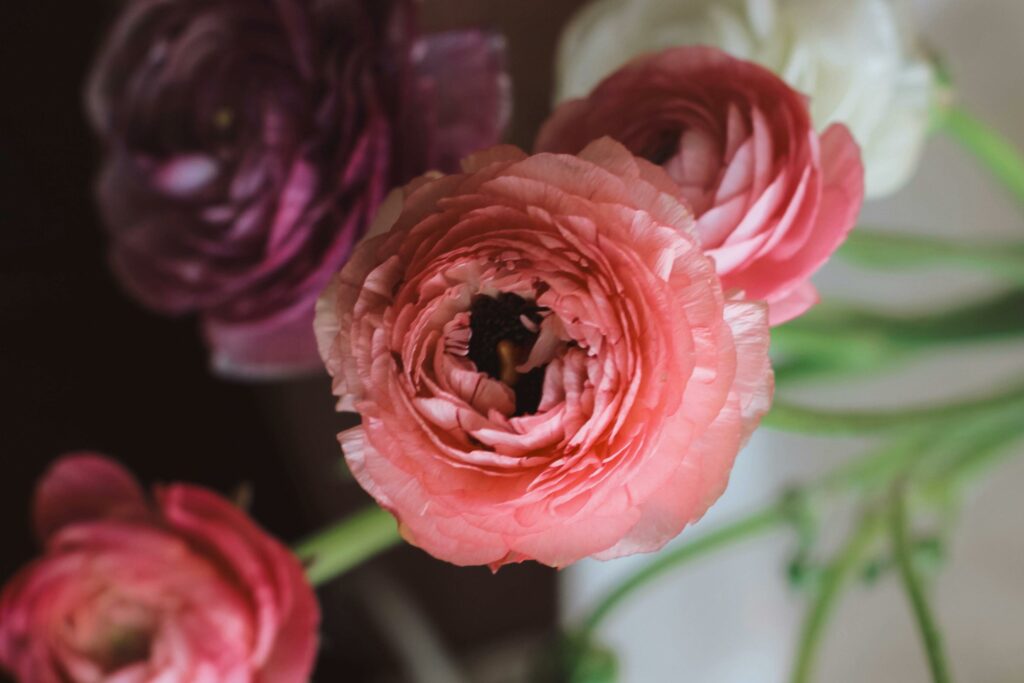

Flowers have long captivated artists across cultures, serving as symbols of beauty, virtue, and the passage of time. In China, floral motifs occupy a special place in the country’s artistic tradition, particularly in the renowned “flower-and-bird” paintings. These works—ranging from delicate ink-and-wash depictions to bold, contemporary interpretations—capture the elegance, vitality, and philosophical depth of nature. For travelers seeking to experience the full spectrum of floral art, China offers a wealth of galleries and museums where blossoms come to life on canvas.
Shanghai Museum — Shanghai
The Shanghai Museum is a treasure trove for admirers of traditional Chinese art, with extensive collections of ancient paintings, calligraphy, ceramics, and jade. The painting galleries feature delicate ink-and-wash works that celebrate flowers, birds, and seasonal landscapes. These pieces exemplify the refined techniques of Chinese literati painting, emphasizing subtle brushwork, expressive line, and the interplay between form and empty space.
Visitors will appreciate how these floral works reflect centuries of aesthetic philosophy, symbolizing qualities such as purity, resilience, and harmony with nature. To fully explore the museum’s painting collections and absorb the intricate details of each artwork, plan to spend several hours in the galleries.
Suzhou Museum — Suzhou, Jiangsu Province
Nestled in the historic city of Suzhou, famed for its classical gardens, the Suzhou Museum offers a serene environment to appreciate Chinese art. The museum’s collections include paintings and calligraphy from the Song, Ming, and Qing dynasties, with a strong focus on flower-and-bird motifs.
The connection between Suzhou’s world-famous gardens and the floral art in the museum is striking. As visitors admire the delicate depictions of plum blossoms, orchids, and lotus flowers, they can reflect on how the city’s real-life gardens inspired generations of artists. The museum’s architecture, designed by I. M. Pei, further enhances the contemplative atmosphere, providing a harmonious backdrop for viewing art.
National Art Museum of China (NAMOC) — Beijing
Located in the heart of Beijing, NAMOC is a premier destination for both traditional and contemporary Chinese art. Its extensive collection includes modern interpretations of floral subjects, particularly works by influential painters of the 20th century who revisited traditional flower-and-bird themes.
Visitors can witness the evolution of floral art from classical ink techniques to expressive modern styles. Many works showcase bold brushwork, innovative compositions, and reinterpretations of traditional symbolism, offering a compelling glimpse into how Chinese artists have continued to explore flowers as a subject of philosophical and aesthetic inquiry.
Beijing Art Museum at Wanshou Temple — Beijing
The Beijing Art Museum, housed within the historic Wanshou Temple complex, provides a unique combination of art and historical architecture. The museum’s collection spans the Ming and Qing dynasties, featuring traditional Chinese paintings and calligraphy.
Flower-and-bird paintings in this context are especially evocative. Plum blossoms symbolize resilience and purity, peonies signify prosperity, and lotus flowers convey the ideal of purity rising from the mud. The setting of the museum—within an ancient temple complex—imbues the experience with a sense of spiritual reflection, enhancing the contemplative engagement with each piece.
Understanding Flower-and-Bird Painting
Flower-and-bird painting (花鸟画) is one of the major genres of classical Chinese painting. These works often combine flowers, birds, insects, and landscapes, conveying not only aesthetic beauty but also philosophical meaning. Artists used these motifs to express ideas about nature, the cycles of life, human virtues, and the passage of time.
Brushwork, composition, and the use of negative space are as important as the subjects themselves. Each painting invites viewers to slow down, consider the interplay of form and emptiness, and reflect on the symbolic resonance of every petal, leaf, and feather.
Tips for Flower Art Enthusiasts in China
- Check current exhibitions: Floral-themed works may rotate, particularly in large museums, so confirm what is on display before visiting.
- Visit cities with gardens: Suzhou and other cities with classical gardens provide a complementary experience, linking the painted flowers to their living counterparts.
- Take your time: Traditional Chinese floral paintings reward careful, contemplative observation, allowing you to appreciate subtle brushwork, symbolism, and composition.
- Look for the right categories: Search for “flower-and-bird” or “flowers and nature” collections to find the most relevant works.
For flower lovers, China’s galleries offer more than visual delight; they provide a window into centuries of artistic tradition, cultural symbolism, and philosophical reflection. Whether admiring a delicate ink depiction of a plum blossom, a vibrant peony, or a lotus rising from a pond, visitors can experience the beauty, meaning, and timeless allure of floral art in a uniquely Chinese context.