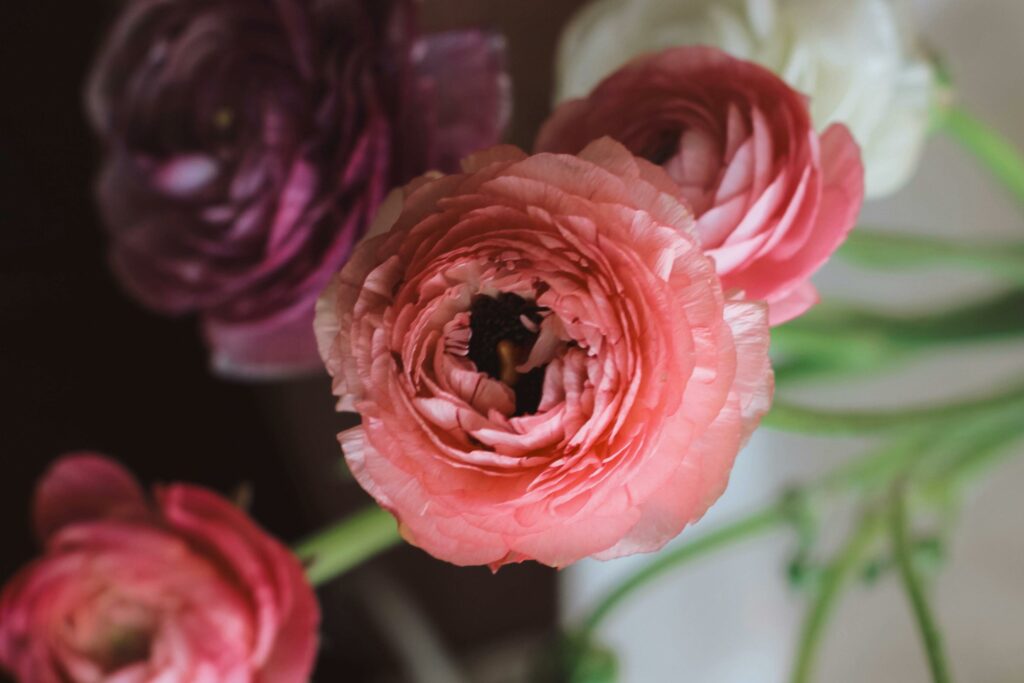

Mother’s Day is celebrated in countless countries, yet the flowers chosen to honor mothers are as diverse as the cultures that cherish them. While carnations and roses are often associated with this special day, many regions embrace unusual, meaningful blooms that tell a story of love, respect, and gratitude. This guide explores flowers that go beyond tradition, revealing the rich symbolism and cultural significance behind Mother’s Day floral tributes.
Carnations: The Classic of Care
No discussion of Mother’s Day flowers would be complete without carnations. Introduced as the official flower for the holiday in the United States in the early 20th century, carnations symbolize love, admiration, and maternal devotion. Pink carnations, in particular, are said to represent a mother’s eternal love, while white carnations honor mothers who have passed. Across the globe, the carnation’s frilled petals and long-lasting blooms make it a timeless gesture of respect and affection.
Chrysanthemums: Longevity and Loyalty in Asia
In Japan, China, and Korea, chrysanthemums hold profound meaning. Known as the “flower of life” in Chinese culture, chrysanthemums symbolize longevity, loyalty, and resilience—qualities often attributed to mothers. In Japan, they are celebrated during the Festival of Happiness, and their presence conveys deep gratitude and enduring love. Presenting chrysanthemums on Mother’s Day is not just a gift; it’s a way of acknowledging the steadfast support and care that mothers provide over a lifetime.
Freesia: Sweetness and Thoughtfulness
Freesias, with their delicate tubular flowers and heady fragrance, are popular across Europe and South Africa. They convey innocence, thoughtfulness, and trust, reflecting the subtle, nurturing aspects of maternal love. Their fragrance lingers, much like a mother’s enduring influence, making freesia a particularly thoughtful choice for Mother’s Day bouquets.
Peonies: Prosperity and Honor
In China, peonies are revered as the “king of flowers,” associated with wealth, honor, and beauty. Giving peonies to mothers expresses respect, admiration, and the wish for their happiness and prosperity. Their lush, full blossoms evoke abundance and care, making them an elegant and culturally resonant choice. Even outside of Asia, peonies are increasingly popular on Mother’s Day for their romantic, soft appearance and rich symbolism.
Orchids: Strength and Elegance
Orchids are celebrated worldwide for their grace, resilience, and exotic beauty. In Thailand and Singapore, orchids are often given to mothers as symbols of strength, elegance, and refinement. Their delicate yet enduring blooms reflect the balance of a mother’s tender care and unyielding support. For a gift that communicates admiration for both inner strength and outer beauty, orchids remain an enduring favorite.
Tulips: Cheer and Warmth
While roses dominate Valentine’s Day, tulips shine on Mother’s Day, particularly in Europe. In the Netherlands, tulips are a common gift to express cheerfulness, warmth, and appreciation. Their simple yet elegant form and variety of colors make them versatile: pink tulips convey affection, yellow symbolizes cheer and friendship, and red tulips represent deep love. Tulips celebrate mothers with lighthearted joy, embodying gratitude and admiration.
Gardenias: Secret Admiration
Gardenias, with their creamy, fragrant blossoms, have long been associated with secret love, purity, and refinement. In the United States and parts of Asia, they are often presented to mothers as a quiet, sophisticated tribute to their nurturing influence. Gardenias’ intoxicating fragrance makes them a sensory experience, reminding recipients of care that is both gentle and unforgettable.
Gloriosa and Unusual Blooms: Bold Tributes
Some cultures embrace more exotic flowers for Mother’s Day. The Gloriosa lily, with its flame-like petals, symbolizes passion and admiration, while the protea, native to South Africa, represents courage and transformation. Choosing an unusual bloom can convey a unique, personal message of gratitude, highlighting the distinctive qualities of the mother being honored.
Observations Across Cultures
Mother’s Day flowers reflect more than affection—they embody cultural ideals of motherhood, strength, devotion, and respect. From the enduring symbolism of carnations and chrysanthemums to the exotic elegance of orchids and proteas, the right bloom can communicate gratitude that words sometimes cannot. Moreover, fragrance, color, and form are often as important as tradition, offering subtle nuances to the expression of love.
Florist guide
Mother’s Day is a celebration of all that mothers give: love, guidance, sacrifice, and care. Across the globe, flowers serve as a universal language of gratitude, with each bloom carrying its own story. Whether you choose a traditional carnation, a fragrant freesia, or an exotic Gloriosa lily, the act of giving flowers remains one of the most meaningful ways to honor the women who shape our lives. In every petal, color, and scent, there is a message of enduring love.