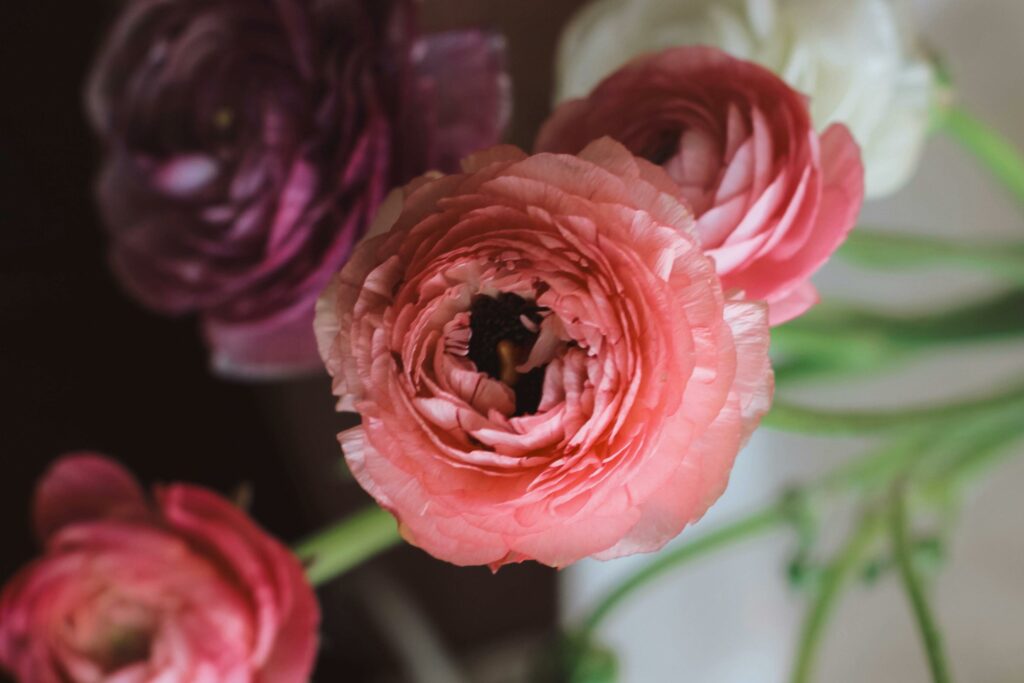

When it comes to romance, roses, tulips, and orchids often dominate the spotlight. Yet across the world, countless other flowers carry equally potent messages of love, passion, and devotion—many with histories and symbolism as rich as the cultures that cherish them. These blooms, often exotic or overlooked, offer a more nuanced story of romance, combining beauty, fragrance, and meaning in ways that transcend the ordinary.
Bleeding Heart: The Heart of Emotion
In the misty mountains of Siberia, China, Korea, and Japan grows the delicate bleeding heart, a plant whose pendulous flowers resemble tiny hearts suspended on a thin arching stem. In Japan, this flower is deeply tied to emotional resonance and unrequited love, while in China, it symbolizes passionate longing. Its shape is instantly recognizable, a literal embodiment of the heart, and its quiet elegance reflects a love that is tender yet profound. The bleeding heart is not flamboyant but quietly commands attention, reminding lovers that romance can be expressed in subtle, enduring ways.
Hellebore: Love That Endures
Native to the mountain ranges of Europe, the hellebore is often overlooked in gardens due to its understated elegance and its toxic nature. Yet in Victorian England, this very duality made it a potent symbol of enduring love, a reminder that true passion can be both beautiful and dangerous. Its cup-shaped blossoms appear in soft shades of white, pink, and purple, and bloom in the depths of winter when most flowers have retreated. To gift a hellebore is to celebrate steadfastness—a love that survives adversity and thrives quietly, away from the limelight.
Ixora: Devotion in Clusters
In India and Malaysia, the vibrant clusters of Ixora flowers—typically fiery red or bright orange—adorn temples and gardens alike. Beyond their tropical beauty, Ixora represents devotion and fidelity, making it a common choice for weddings and religious ceremonies. Each dense cluster of tiny blooms mirrors the interconnectedness of hearts in love, and the flower’s resilience under tropical sun reminds us that committed affection requires both vibrancy and endurance.
Frangipani: Eternal Love Across Islands
Frangipani, or Plumeria, may have originated in Central America, but it has become synonymous with love in Polynesia and Southeast Asia. With its star-shaped blossoms in shades of white, pink, and yellow, and a fragrance that lingers long after the flower is picked, frangipani embodies eternal romance. In Hawaiian culture, wearing the flower behind the ear communicates one’s relationship status, while in Bali, it is an essential element of weddings and ceremonies. Its beauty is both visual and olfactory, a reminder that love can engage all the senses.
Passionflower: Complexity in Bloom
The South American passionflower is one of the most intricate and visually striking flowers in the world. Its radial symmetry and intricate filaments are almost architectural in design, evoking awe at nature’s artistry. In Latin cultures, the passionflower represents deep, spiritual love and devotion, its complexity a metaphor for the challenges and rewards of intimate relationships. Gifting a passionflower is not merely an act of affection but an acknowledgment of the depth, intensity, and layered nature of love.
Gloriosa Lily: Fire and Desire
The Gloriosa lily, native to tropical Africa and Asia, lives up to its nickname—the climbing lily of love. Its flame-like petals, curling backward in vibrant reds and yellows, evoke passion, desire, and admiration. Unlike subtle flowers, the Gloriosa makes a bold statement, symbolizing a love that is unapologetic and unreserved. It is perfect for expressing fervent emotions that cannot be contained, a celebration of love that burns brightly and openly.
Chocolate Cosmos: Mystery and Depth
Few flowers are as unusual and sensuous as the Mexican chocolate cosmos. Dark red to nearly black in color and imbued with a subtle chocolate scent, this flower symbolizes enduring love, mystery, and intrigue. Its dark beauty and distinctive fragrance make it ideal for couples seeking to express affection in a way that is both unconventional and deeply personal. The chocolate cosmos reminds us that love does not always have to be bright or overt to be profoundly felt.
Tuberose: Sensuality in White
Tuberose, cultivated extensively in India but native to Mexico, is famed for its intoxicating fragrance and elegant white blooms. Traditionally associated with sensuality, passion, and marital bliss, tuberose features prominently in Indian weddings and romantic rituals. The heady scent evokes intimacy, drawing the senses together in a shared moment, making it a living expression of love that is as olfactory as it is visual.
Bottlebrush: Bold Affection
Native to Australia, the bright red, cylindrical flowers of the bottlebrush plant are striking in appearance. Indigenous folklore associates it with vibrant energy and bold affection. Unlike the quiet subtlety of other romantic flowers, the bottlebrush is exuberant, symbolizing love that is direct, lively, and impossible to ignore. It embodies the joy and excitement of new or unapologetic romance.
Kerria: Gentle and Steady
In East Asia, the Japanese kerria, with its golden-yellow, pom-pom-like blooms, represents modest love, elegance, and understated affection. Unlike showy flowers that demand attention, kerria embodies a gentler, steadier form of romance—a quiet devotion that is constant and reliable, thriving away from spectacle. Its sunny color brightens gardens without overwhelming them, much like a subtle, sustaining love in life.
Exploring these uncommon blooms reveals that romance is not limited to roses or tulips. Around the world, cultures find ways to express love through flowers that are unusual, exotic, or layered with meaning. Whether fiery, delicate, fragrant, or mysterious, these flowers show that love can be bold, enduring, intricate, or quietly tender. To gift or grow them is to celebrate romance in its many forms—an intimate nod to the heart’s universal desire for connection.