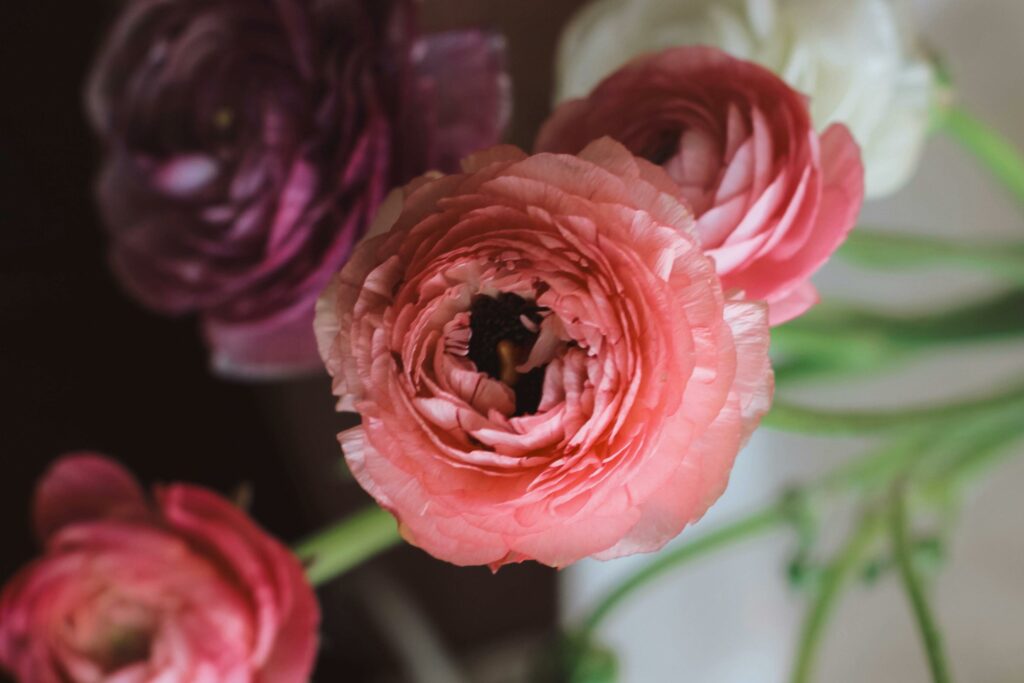

Flowers play an essential role in weddings across cultures. They symbolize beauty, fertility, purity, prosperity, and the joining of two families. While styles and meanings differ widely, flowers consistently communicate emotion and cultural identity. This guide explores major wedding-flower traditions from around the world, highlighting symbolism, rituals, and unique customs.
1. Europe
United Kingdom and Ireland
- Bridal bouquets traditionally included white flowers symbolizing purity.
- Victorian-era brides often carried orange blossoms to represent fertility.
- Today, roses, peonies, and wildflowers remain popular in modern bouquets.
- Tossing the bouquet originated in Britain as a symbol of good fortune for the next bride-to-be.
France
- French weddings historically incorporated a crown of orange blossoms.
- Elegant, minimalist arrangements are common, often using lilies, peonies, or roses.
- The cortège (wedding procession) often includes matching floral accessories for family members.
Italy
- Flowers symbolizing love and fidelity, especially white roses and lilies, are common.
- Couples may decorate cars and reception entrances with ribbons and fresh flowers.
- In some regions, brides carry a bouquet gifted by the groom shortly before the ceremony.
Greece
- Strong symbolism links flowers with the divine.
- Flower wreaths, olive branches, and herbs such as rosemary and basil are common in bridal designs.
- Koufeta (sugared almonds) are sometimes tied with small floral sprigs.
2. Middle East and North Africa
Turkey
- Bright and bold arrangements are popular, often using roses, hydrangeas, and orchids.
- Engagement ceremonies may feature garlands symbolizing union and respect between families.
Lebanon
- Weddings are known for abundant white flowers, symbolizing purity and celebration.
- Floral arches and full-stage installations are central to Lebanese event design.
Morocco
- Traditional Moroccan weddings use flowers alongside aromatic herbs such as mint and orange blossom.
- Roses and jasmine are used both decoratively and in perfumed waters.
3. South Asia
India
- Flowers are central to every part of the wedding.
- Marigolds, jasmine, roses, and tuberose are most common.
- Bride and groom exchange garlands called varmala or jaimala, representing acceptance and union.
- Floral canopies (phoolon ki chadar) may be held above the bride as she enters.
- Floral jewelry made of jasmine or marigold is popular for pre-wedding events such as the haldi.
Pakistan
- Similar to Indian traditions, with jasmine and roses as primary flowers.
- Garlands, floral wristlets, and decorative stage backdrops are key elements.
Bangladesh
- Jasmine and marigolds dominate, especially during the gaye holud celebration.
- Floral headpieces and wrist garlands are traditional for the bride.
4. East Asia
China
- Red is the traditional wedding color for good luck and prosperity.
- While fresh flowers were historically secondary to textiles and paper decorations, modern weddings use roses, peonies, lilies, and orchids.
- Lily (bai he) arrangements symbolize harmony and a long-lasting union.
Japan
- Flowers reflect seasonal symbolism and elegance.
- Cherry blossoms represent beauty and renewal; chrysanthemums signify longevity.
- Ikebana-inspired arrangements may be part of modern ceremonies.
- In traditional Shinto weddings, flower use is minimal and symbolic rather than decorative.
Korea
- Weddings often use floral screens and fresh arrangements featuring lilies, peonies, and orchids.
- Red and blue colors represent the harmony of opposites.
5. Southeast Asia
Thailand
- Jasmine symbolizes purity and is often woven into intricate garlands.
- Couples wear phuang malai garlands around their necks during the ceremony.
- Lotus flowers may be included for spiritual significance.
Indonesia
- Javanese brides may wear strings of jasmine in their hair, symbolizing grace and beauty.
- Floral offerings and arrangements often feature orchids, frangipani, and roses.
Philippines
- Flowers such as sampaguita, roses, and orchids are common.
- The veil and cord ceremony often includes floral elements representing unity.
6. Oceania
Australia
- Modern weddings reflect diverse cultural influences and native florals.
- Popular choices include protea, eucalyptus, banksia, and roses.
- Many couples incorporate sustainable or locally grown flowers.
New Zealand
- Māori weddings may include greenery and plants with symbolic meaning, such as fern fronds for strength.
- Bouquets often include native blooms such as pōhutukawa and kōwhai.
7. Africa
South Africa
- Weddings often mix traditional customs with contemporary floral design.
- Protea, the national flower, is a favored symbol of hope and change.
- Bright, bold arrangements reflect cultural vibrancy.
Nigeria
- While not all traditional weddings emphasize flowers, modern ceremonies often include roses, orchids, and chrysanthemums.
- Flower walls and stage installations are common in large celebrations.
Kenya
- Floral garlands may be used in some communities, symbolizing blessing and honor.
- Roses are widely grown in Kenya and frequently used in weddings across styles.
8. The Americas
United States
- Flower traditions vary widely by region and cultural background.
- Bouquets, boutonnieres, centerpieces, and arches are standard elements.
- Popular flowers include roses, peonies, dahlias, and ranunculus.
- Cultural subtraditions exist, such as Native American ceremonial herbs or Hispanic floral crowns.
Canada
- Similar to the United States, with an emphasis on seasonal and locally grown flowers.
- Rustic and wildflower themes are popular in outdoor weddings.
Mexico
- Bright, colorful flowers such as marigolds, dahlias, and bougainvillea are common.
- Catholic ceremonies may include floral offerings to religious figures.
- Floral crowns are popular in traditional or folkloric-style weddings.
Brazil
- Tropical flowers such as orchids, birds of paradise, and heliconias feature prominently.
- Vibrant color palettes reflect regional culture and environment.
9. Common Symbolism Across Cultures
Though traditions differ, many symbolic meanings recur globally:
- Roses: love and devotion
- Lilies: purity and harmony
- Marigolds: auspiciousness and joy
- Jasmine: purity, grace, and blessing
- Peonies: prosperity and honor
- Orchids: luxury, beauty, and strength
- Lotus: spiritual purity and rebirth
Wedding flower traditions around the world reveal a rich tapestry of cultural values and symbolism. Whether rooted in spirituality, family customs, seasonal meanings, or modern aesthetics, flowers continue to shape wedding ceremonies with beauty and significance. By understanding these traditions, couples and designers can create floral experiences that honor heritage while celebrating love.