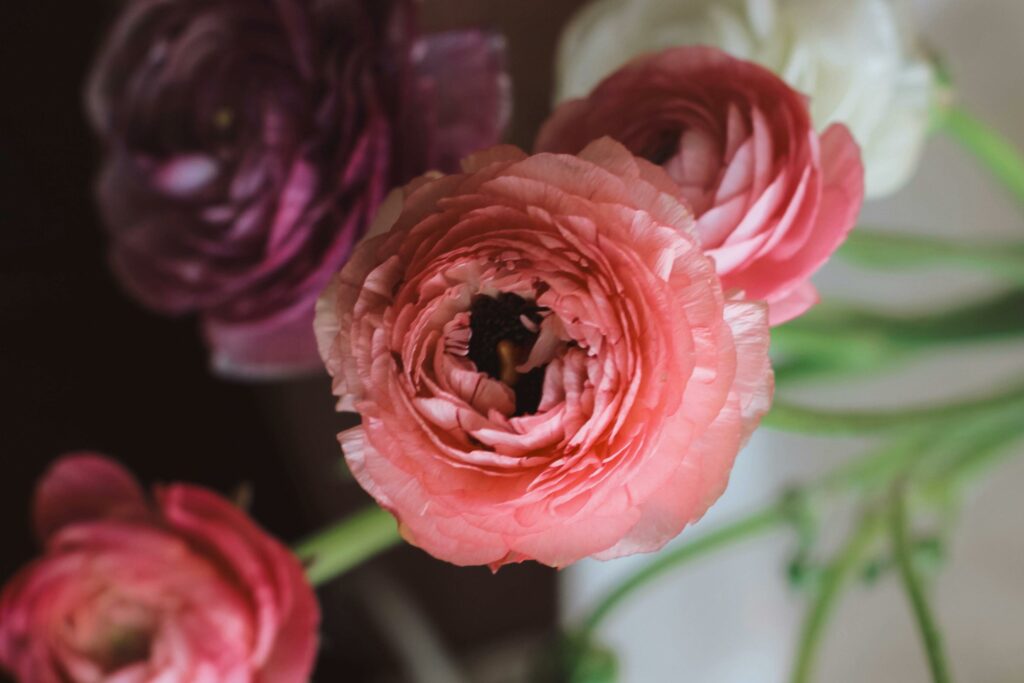

Choosing the right wedding florist is an essential part of creating the atmosphere, style, and emotional impact of your wedding day. Flowers shape the ceremony space, define the reception aesthetic, and help express the couple’s personality. This guide provides a clear process for evaluating, selecting, and collaborating with a florist who can turn your vision into reality.
1. Start With Your Wedding Vision
Before searching for a florist, spend time defining the style and mood of your wedding.
Consider the following:
- Overall style: classic, modern, rustic, romantic, minimalist, luxurious, botanical, cultural, or themed
- Color palette: soft tones, bold colors, monochrome, or seasonal shades
- Venue type: indoor ballroom, outdoor garden, vineyard, beach, cultural hall, or private home
- Season: flower availability changes by time of year
- Scale: simple bouquets and boutonnieres or full ceremony installations, arches, and table arrangements
A clear vision helps you communicate effectively with potential florists and ensures realistic expectations.
2. Set a Floral Budget
Your floral budget will shape which florists are available and what designs are possible.
Budget considerations include:
- Bridal bouquet and bridesmaids’ bouquets
- Boutonnieres and corsages
- Ceremony flowers such as arches, aisles, pews, and pedestals
- Reception centerpieces and décor
- Delivery, setup, and teardown fees
- Rentals such as stands, candles, or vases
Being upfront about your budget allows florists to propose designs that balance beauty with practicality.
3. Research Florists in Your Region
Once you know your style and budget, begin researching florists who match your aesthetic.
Look for:
- Consistent style in their portfolio
- Experience with weddings and events similar to yours
- Strong use of color, texture, and composition
- Reviews highlighting professionalism, communication, and reliability
- Familiarity with your venue, which can be a significant advantage
Aim to shortlist two to four florists for consultations.
4. Study Their Portfolio Carefully
A portfolio reveals the florist’s strengths, artistic tendencies, and technical skills.
Elements to pay attention to:
- Design style: Are the designs tight and structured, airy and garden-like, bold and sculptural, or minimalist?
- Color consistency: Do their color palettes align with your vision?
- Scale and craftsmanship: Look for clean mechanics and thoughtful composition in installations.
- Experience with your type of wedding: For example, cultural ceremonies, large guest counts, outdoor venues, or seasonal restrictions.
A florist whose portfolio resonates with your taste is more likely to deliver the results you want.
5. Schedule Consultations
Meeting florists in person or via video call helps you understand their communication style and design process.
During the consultation, discuss:
- Your overall vision and inspirations
- Must-have flowers versus flexible substitutions
- Your venue layout and logistical needs
- Your budget and priorities
- Their creative process and planning timeline
- How they handle unexpected issues, such as flower shortages or weather concerns
- Any cultural or family traditions that affect floral choices
Bring photos, color swatches, and examples of arrangements you like to help guide the conversation.
6. Ask the Right Questions
To assess whether a florist is the right fit, consider asking:
- How many weddings do you take on per day?
- Do you have experience at my venue?
- What are your minimum spending requirements?
- Which flowers will be in season for my date?
- Can you create mock-ups or samples?
- How do you handle setup, transport, and teardown?
- Who will be on-site on the wedding day?
- How do you manage last-minute changes?
Clear communication establishes trust and helps avoid misunderstandings.
7. Evaluate Proposals
Once you receive design proposals or quotes, review them closely.
Compare:
- Flower varieties suggested
- Colors and textures
- Quantities of arrangements
- Rental items included
- Setup and delivery fees
- Overall aesthetic direction
- Whether the proposal fits your priorities and budget
Choose the florist who offers the best balance of vision, value, and professionalism rather than simply the lowest price.
8. Check Contracts Carefully
A well-written contract protects both you and the florist.
Ensure the contract includes:
- A detailed list of all arrangements and installations
- Substitution policies for unavailable flowers
- Delivery, setup, and teardown times
- Rental terms and return conditions
- Payment schedule and cancellation policies
- Contact information and day-of logistics
Sign only when everything is clear and documented.
9. Collaborate Throughout the Planning Process
Once you’ve chosen a florist, maintain open communication.
Provide:
- Updated guest counts
- Finalized venue timeline
- Layout changes
- Color palette adjustments
- Any new décor elements that affect floral design
Florists appreciate clarity and consistency, which helps them create cohesive, beautiful results.
10. Trust Your Florist’s Expertise
Florists work with living materials and know how to adapt creatively when needed.
Trust their judgment on:
- Seasonal availability
- Freshest flowers
- Color pairings
- Structural limitations of installations
- Alternative options if a flower becomes unavailable
A collaborative relationship allows for the best possible outcome.
Choosing a wedding florist is about more than selecting pretty flowers. It’s a partnership between your vision and a professional’s artistic skill. By defining your style, researching carefully, asking thoughtful questions, and maintaining strong communication, you can find a florist who will create meaningful, memorable floral designs for your wedding day.