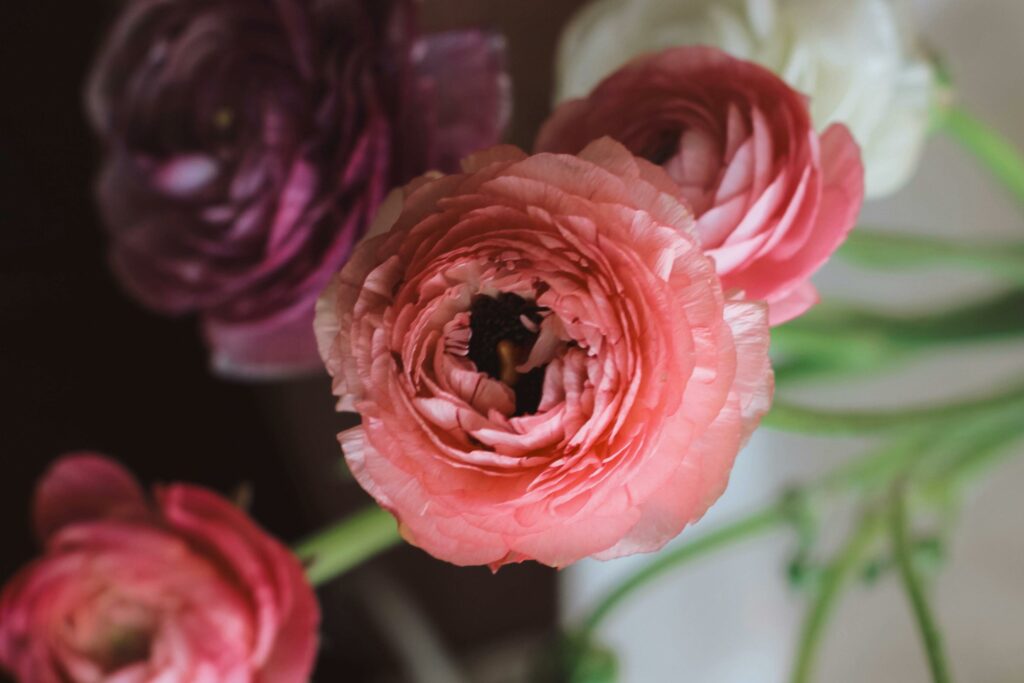

Flowers have always been more than decoration—they are mood-makers, storytellers, and style statements. As we step into 2026, the floral world is blossoming with bold innovation, timeless elegance, and eco-conscious choices. From wedding bouquets to interior arrangements and garden design, this year promises a celebration of color, texture, and sculptural beauty. Here’s everything you need to know to stay ahead of the curve.
Color Trends: From Sunset Hues to Jewel Tones
The palette of 2026 is daring yet sophisticated. Sunset-inspired shades are making a bold statement, with coral, amber, and soft peach dominating floral arrangements. These warm tones evoke optimism and are perfect for events looking to convey intimacy and joy. Pastels are also making a strong comeback, with lavender, powder blue, and sage creating a dreamy, ethereal feel that is particularly suited for weddings and home décor.
For those who love drama, jewel tones—deep ruby, sapphire, and emerald—bring richness and opulence to bouquets and installations, while earthy neutrals like sand, cocoa, and beige offer a grounding effect. Monochromatic color stories are emerging as a chic alternative to mixed arrangements, layering different tones of a single hue for a subtle, luxurious impact.
Shape and Style: Sculptural Arrangements Take Center Stage
Floral design in 2026 is all about movement and artistry. Arrangements are becoming more sculptural and expressive, moving away from rigid symmetry. Cascading installations, hanging floral clouds, and free-flowing bouquets mimic nature’s organic rhythms, turning spaces into immersive botanical experiences.
Minimalist elegance is also in vogue. Single-stem displays of striking flowers like orchids, protea, or calla lilies are gaining popularity for their ability to create bold statements with understated sophistication. On the other end of the spectrum, oversized bouquets with abundant textures are perfect for grand events, commanding attention with a mix of colors and dramatic silhouettes.
Blooms to Watch: From Delphiniums to Proteas
Certain flowers are emerging as 2026 must-haves. Delphiniums, with their towering elegance, have been named flower of the year by many trend forecasters. Garden roses and peonies remain beloved for their lush romantic appeal, while dahlias and anemones are prized for their bold colors and unique shapes. Wildflower mixes add airiness and a touch of whimsy, and architectural blooms like proteas and amaranthus bring dramatic flair to weddings and events.
The trend is also leaning toward flowers that convey meaning. Florists are incorporating herbs, edibles, and locally sourced blooms into arrangements, reflecting a growing desire for personalized, symbolic floral statements.
Texture and Material: Layering for Depth and Drama
Texture is the unsung hero of floral design in 2026. Expect arrangements that combine velvety petals with spiky thistles, airy grasses, or dried elements, creating depth and tactile interest. Dried foliage and flowers are being paired with fresh blooms, extending the life of designs while adding a rustic, sophisticated touch. Florists are experimenting with materials like silk ribbons and tulle to wrap stems, giving bouquets an extra layer of elegance and visual intrigue.
Weddings and Events: Experiences in Bloom
Weddings continue to be a showcase for floral innovation. Couples are moving beyond traditional bouquets, embracing color-blocked or monochromatic arrangements for striking visual impact. Freeform, farm-fresh bouquets that include unexpected elements like herbs and edible flowers are becoming increasingly popular, reflecting a desire for individuality and playfulness.
Installations are becoming immersive experiences. Floral arches, ceilings of cascading blooms, and living installations with potted plants that can later be replanted are turning events into environmental statements as well as aesthetic ones. Sustainability is at the forefront, with locally sourced seasonal flowers, foam-free mechanics, and repurposed décor gaining traction.
Gardening and Everyday Trends
Beyond weddings and interiors, 2026 also brings exciting developments for gardeners. Climate-adaptive and drought-tolerant plants are in demand, reflecting environmental awareness. Edible yet decorative plants, like dwarf tomatoes and ornamental herbs, are bridging the gap between utility and style. Symbolic plants, such as the money tree, are gaining popularity as gifts, combining beauty with meaning.
Bringing the Trends Home
To embrace 2026’s floral trends at home, think sculptural and expressive. A single striking stem in a tall vase can elevate a living room, while wildflower clusters can create a carefree, natural feel. Mixing textures—soft petals with airy grasses or dried elements—adds depth and personality. For events, balance drama with intimacy: pair large, statement-making installations with intimate, textured bouquets to create a memorable visual journey.
Flowers in 2026 are more than just decoration; they are a reflection of mood, style, and purpose. Whether you are designing a garden, arranging a centerpiece, or planning a wedding, this year’s floral trends promise beauty, individuality, and sustainability in every petal.