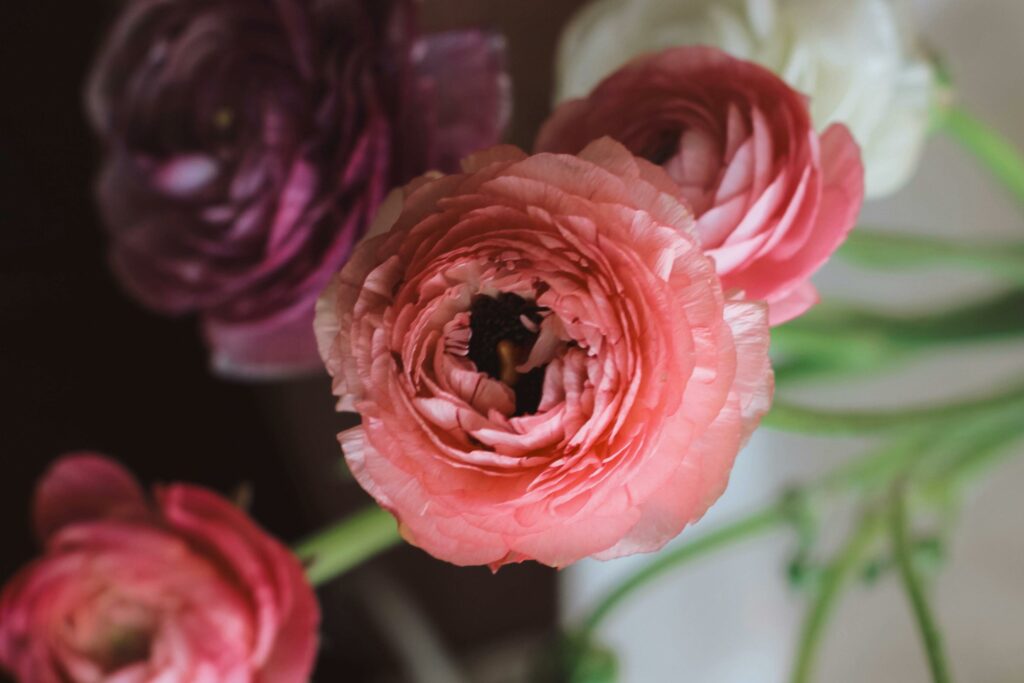

Edible flowers have been valued for centuries for their flavor, color, aroma, and medicinal properties. Different cultures have incorporated them into their cuisines, using them in salads, desserts, teas, and even main courses. Below is a region-by-region exploration of their use.
1. Europe
a) Mediterranean Cuisine
- Italy: Flowers such as nasturtiums and violets are used to decorate desserts and infuse liqueurs. Squash blossoms (zucchini flowers) are a staple in Italian cooking, often stuffed with cheese or fried in tempura-like batter.
- France: Culinary flowers like rose, lavender, and elderflower are used in syrups, desserts, and pastries. Lavender is particularly associated with Provence and is often incorporated in baked goods and herb blends like Herbes de Provence.
- Spain: Borage and rosemary flowers are used in salads or as garnishes, while orange blossom water is a key ingredient in pastries and desserts.
b) Northern Europe
- UK & Scandinavia: Flowers such as primrose, chamomile, and pansies are used in teas, jellies, and desserts. In Scandinavian countries, flowers are sometimes incorporated into pickling and bread-making, enhancing both flavor and aesthetics.
2. Asia
a) East Asia
- China: Flowers like chrysanthemum, lily, and osmanthus are used in teas, soups, and desserts. Chrysanthemum tea is believed to have cooling and medicinal properties. Daylily buds are used in hot pots and soups.
- Japan: Sakura (cherry blossoms) are preserved in salt or syrup and used in traditional sweets (wagashi), teas, and even in rice dishes. Shiso flowers and edible chrysanthemums are used as garnish in sushi and salads.
- Korea: Chrysanthemum petals and crown daisies (ssukgat) are used in salads and soups, especially in spring dishes celebrating seasonal blossoms.
b) South Asia
- India: Flowers like hibiscus, rose, and marigold are used in sweets, teas, and drinks (e.g., rose syrup or sherbets). Some flowers, such as banana blossoms, are cooked as vegetables in curries.
- Thailand: Flowers like butterfly pea are used for their striking blue color in beverages, desserts, and rice dishes. Thai cuisine also uses dok khae (sesbania flowers) and banana blossoms in salads and stir-fries.
3. Middle East
- Turkey: Rose petals and rose water are widely used in desserts like baklava, Turkish delight (lokum), and jams. Nasturtium and violet petals may be used as garnishes.
- Iran (Persia): Saffron, derived from the crocus flower, is a staple in cooking. Roses are used in syrups, jams, and desserts such as faloodeh.
- Lebanon & Syria: Orange blossom water and rose water flavor pastries, puddings, and beverages, often combining floral notes with nuts and honey.
4. Africa
- North Africa: Flowers such as rose and orange blossom are integrated into sweet dishes like Moroccan pastries (kaab el ghazal) and infused in teas.
- Sub-Saharan Africa: Traditional use of edible flowers is often local and seasonal. Hibiscus flowers (zobo in Nigeria, karkade in Sudan) are boiled to make refreshing teas or cold drinks. Certain wildflowers are added to soups and salads.
5. The Americas
a) North America
- Native American communities historically used wildflowers like dandelions, violet, and elderflowers for food and medicine.
- Today, edible flowers are popular in farm-to-table cuisine, used in salads, cocktails, and baked goods.
b) Central and South America
- Mexico: Flowers like squash blossoms (flor de calabaza) are used in quesadillas, soups, and stews. Marigold petals are sometimes added to traditional dishes.
- Brazil: Hibiscus and passionflower are used in teas and drinks, while ornamental flowers like roses and orchids occasionally appear in desserts and cocktails.
6. Common Culinary Uses
- Salads & Garnishes
- Nasturtiums, pansies, violets, and marigolds are colorful and edible raw. They add both visual appeal and mild peppery or sweet flavors.
- Teas & Infusions
- Jasmine, chamomile, hibiscus, rose, and chrysanthemum are steeped for aromatic teas with medicinal properties.
- Desserts & Sweets
- Candied flowers: roses, violets, and lavender can be crystallized to decorate cakes and pastries.
- Flower syrups: rose, elderflower, and hibiscus syrups are used in drinks, ice creams, and puddings.
- Savory Dishes
- Squash blossoms, daylily buds, and banana flowers are stuffed, fried, or added to soups and curries.
- Flowers are also sometimes incorporated into herbal butters, cheeses, and vinegars.
- Beverages
- Cocktails and mocktails often feature flower garnishes or infused syrups.
- Blue pea flower tea (Thailand/Malaysia) turns vivid blue and can change color with acidity.
7. Safety Considerations
- Always ensure flowers are edible; some are toxic.
- Avoid flowers treated with pesticides or chemicals.
- Wash flowers gently before use.
- Use flowers in moderation to balance flavor and aesthetics.
Edible flowers are a global culinary phenomenon bridging tradition, medicine, and artistry. From Europe’s delicate violets and squash blossoms to Asia’s fragrant jasmine and sakura, and Africa’s hibiscus teas to the Americas’ squash flower dishes, flowers add color, fragrance, nutrition, and symbolism to cuisines worldwide. Their versatility allows them to be raw, cooked, preserved, or candied, making them a timeless ingredient in both everyday and festive dishes.