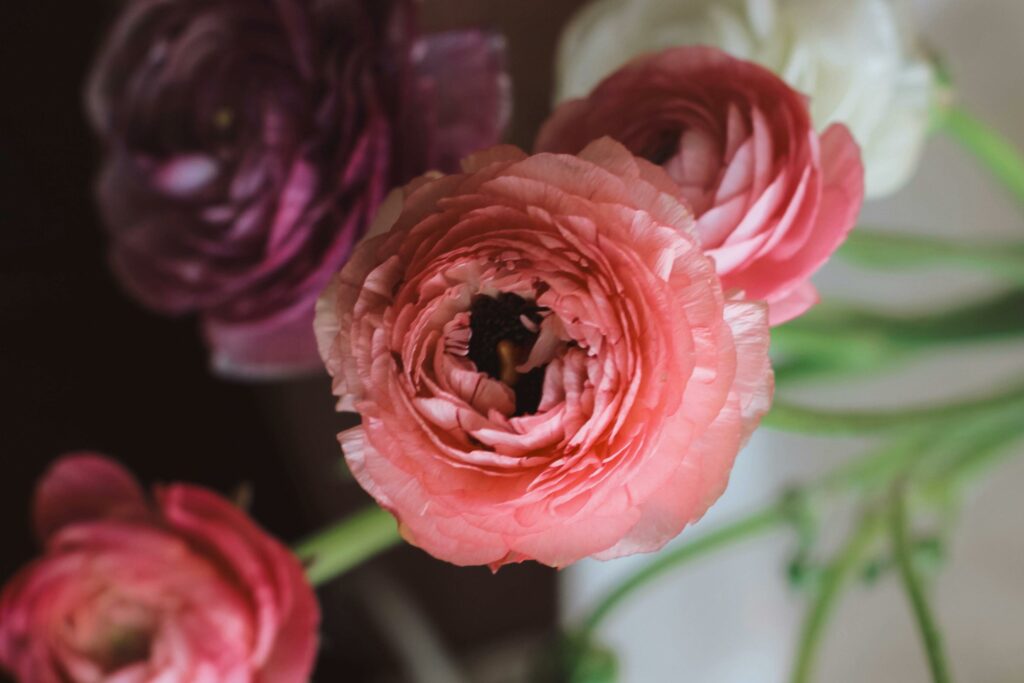

Indoor air quality is crucial for health, productivity, and well-being, yet modern indoor environments often accumulate pollutants, dust, and volatile organic compounds (VOCs) from paints, furniture, and electronics. While air purifiers help, flowering plants offer a natural and beautiful way to cleanse your space. Some flowers not only brighten a room but also act as natural air purifiers, absorbing toxins and releasing oxygen.
How Flowers Detoxify Indoor Air
Certain flowering plants can remove harmful chemicals like formaldehyde, benzene, trichloroethylene, and xylene from the air. They do this through phytoremediation, a process where plants absorb pollutants through their leaves and roots, metabolize them, and release cleaner air. Beyond purifying, these plants also release oxygen, increase humidity, and reduce stress, creating a healthier, more pleasant environment.
Top Flowering Air-Purifying Plants
1. Peace Lily (Spathiphyllum)
Benefits: Peace lilies are champions in absorbing benzene, formaldehyde, trichloroethylene, and ammonia.
Care: Thrives in low to medium light and prefers consistently moist soil, though it’s forgiving if you miss a watering or two.
Flower: Elegant white spathes atop lush green foliage make this plant both functional and visually appealing.
Placement: Ideal for offices, living rooms, or bedrooms, especially where air quality is a concern.
2. Chrysanthemums (Chrysanthemum morifolium)
Benefits: Effective against benzene, formaldehyde, and ammonia. Studies have shown chrysanthemums remove up to 90% of formaldehyde from the air in a sealed environment.
Care: Requires bright, indirect sunlight and regular watering; avoid overwatering to prevent root rot.
Flower: Vibrant blooms in white, yellow, red, and purple make it a colorful air purifier.
Placement: Bright windowsills or well-lit rooms; excellent for adding cheer and clean air simultaneously.
3. Gerbera Daisy (Gerbera jamesonii)
Benefits: Removes benzene and trichloroethylene while producing high amounts of oxygen.
Care: Prefers bright light and well-draining soil. Keep the soil slightly moist and remove faded blooms to encourage new growth.
Flower: Large, bold flowers in vivid colors such as red, pink, orange, yellow, and white make it a statement piece.
Placement: Perfect for desks, tables, and living spaces to combine beauty with functionality.
4. Lavender (Lavandula)
Benefits: Beyond its soothing scent, lavender can absorb airborne chemicals and has antimicrobial properties.
Care: Needs full sun and well-draining soil. Avoid overwatering; allow the soil to dry between waterings.
Flower: Delicate purple spikes emit a calming aroma, promoting relaxation and stress relief.
Placement: Bedrooms, offices, or bathrooms where fragrance and air quality both matter.
5. Orchid (Phalaenopsis and Other Varieties)
Benefits: Orchids can remove xylene and toluene from the air while adding elegance to indoor spaces.
Care: Prefers indirect light, well-draining orchid mix, and moderate humidity. Water once a week, allowing roots to dry slightly.
Flower: Exotic and long-lasting blooms in white, pink, purple, and yellow. Some species can bloom for months.
Placement: Living rooms, hallways, or offices for a touch of luxury and clean air.
6. Gardenia (Gardenia jasminoides)
Benefits: Gardenias can help reduce formaldehyde and improve indoor air quality.
Care: Prefers bright, indirect sunlight and humid conditions. Requires acidic, well-draining soil and regular pruning.
Flower: Creamy white, fragrant blossoms that are both decorative and aromatic.
Placement: Indoor conservatories, bright corners, or rooms where fragrance enhances ambiance.
7. Jasmine (Jasminum sambac or Common Jasmine Varieties)
Benefits: Absorbs airborne toxins while releasing oxygen and adding a natural calming scent.
Care: Needs bright light and moderate watering; thrives in well-draining soil.
Flower: Tiny, star-shaped, highly fragrant white flowers.
Placement: Near windows or in sunny rooms for air purification and mood enhancement.
Tips for Maximizing Air Detoxification with Flowers
- Quantity Matters: Studies suggest at least 1–2 medium-sized plants per 100 square feet for noticeable air purification.
- Healthy Plants Work Best: Keep plants free from pests and disease; unhealthy leaves reduce detox efficiency.
- Combine with Foliage Plants: Pair flowering plants with foliage air purifiers like spider plants, pothos, or ferns to maximize pollutant absorption.
- Light & Water: Match each plant’s light and water requirements to ensure strong, vibrant growth for optimal detoxification.
- Regular Cleaning: Wipe leaves with a damp cloth to remove dust, which can block their absorption capacity.
Creating an Air-Purifying Flower Display
- Windowsill Garden: Mix peace lilies, chrysanthemums, and gerbera daisies in varying heights.
- Desk Companions: Small gerbera or lavender pots provide color, scent, and clean air without occupying much space.
- Indoor Floral Corners: Orchids, gardenias, and jasmine in decorative pots create an air-purifying indoor oasis.
- Terrarium Magic: Combine small flowering air-purifying plants with moss and pebbles in glass terrariums for a self-contained ecosystem.
Florist guide
Flowering plants can transform indoor spaces, offering not just aesthetic pleasure but tangible health benefits. Peace lilies, chrysanthemums, gerbera daisies, lavender, orchids, gardenias, and jasmine combine air detoxification, oxygen production, and mood enhancement. By selecting the right flowering plants and providing proper care, you can create indoor spaces that are vibrant, fragrant, and naturally cleaner—turning every room into a breath of fresh air.