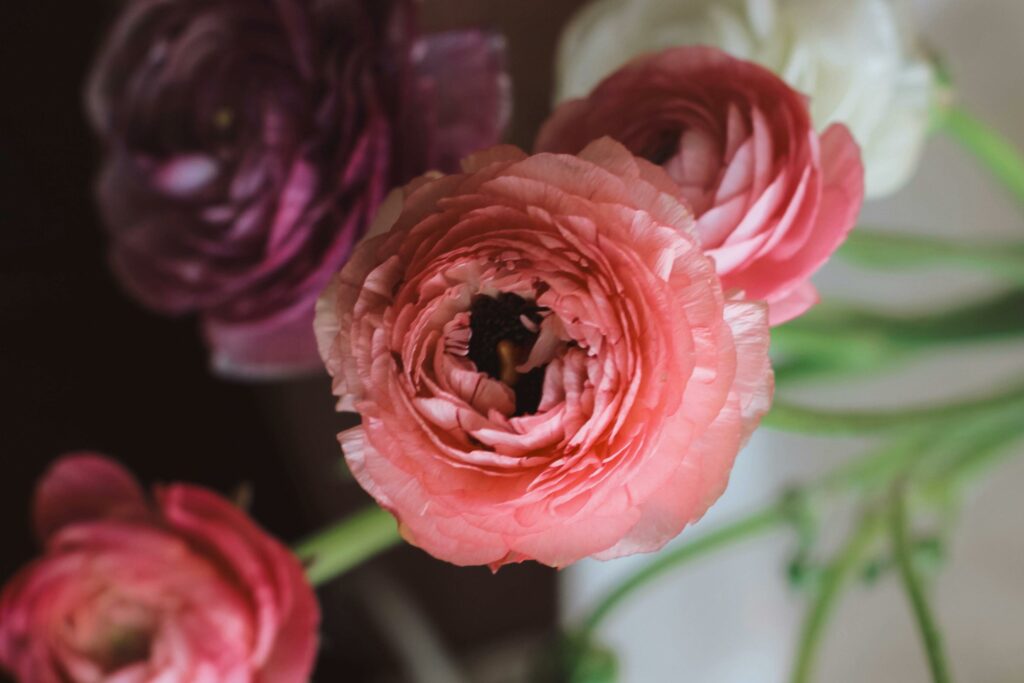

Edible flowers are among the most seasonal of foods. For chefs, they offer fleeting flavors, aromas, and visual cues that signal time and place. For foragers, they mark precise ecological moments—often lasting only days—when a landscape briefly becomes edible in a different way.
Spring (Early to Mid-Spring)
Spring flowers are defined by delicacy, high aroma, and short harvest windows. Many appear before full leaf-out, making timing critical.
Key Edible Flowers
- Violets – Sweet, soft, perfumed; best fresh, candied, or as syrups
- Primrose – Mild and green; salads and fresh garnishes
- Dandelion – Bitter when mature; young blossoms preferred for fritters and wine
- Magnolia petals – Spicy, ginger-like; excellent pickled
- Fruit blossoms (apple, cherry, pear) – Almond-floral notes; use sparingly
- Lilac – Intensely aromatic; syrups, sugar, cream infusions
Chef & Forager Notes
- Peak flavor often lasts only a few days per bloom
- Aroma is strongest just after full opening
- Petals bruise easily and oxidize quickly
Use & Preservation
- Immediate service for fresh applications
- Syrups, infused sugars, vinegars for short-term capture of aroma
Late Spring to Early Summer
This is the most diverse and reliable season for edible flowers, with increasing volume and resilience.
Key Edible Flowers
- Rose – Flavor varies by cultivar; harvest early in the day
- Elderflower – Sweet, muscat-like; cordials, fritters, ferments
- Honeysuckle – Nectar-sweet; syrups and cold infusions
- Chive blossoms – Mild allium; savory oils, butters, salts
- Calendula – Peppery and resinous; rice, butter, broths
- Borage – Cucumber-like; drinks and raw applications
Chef & Forager Notes
- Flowers are more robust and forgiving than early spring blooms
- Ideal season for menu features, not just garnishes
Use & Preservation
- Fresh service, freezing in ice cubes, light drying
- Vinegars and oils capture color and mild flavor
Summer (Mid to Late Summer)
Summer flowers are bolder in flavor, color, and structure. Heat intensifies aromatics but can shorten post-harvest life.
Key Edible Flowers
- Nasturtium – Peppery; salads, pestos, pickles
- Lavender – Highly aromatic; desserts, sugars, baking
- Chamomile – Apple-like; teas and creams
- Bee balm (Monarda) – Minty-citrus; teas, savory dishes
- Sunflower petals – Mild, vegetal; salads
- Squash blossoms – Neutral, tender; stuffing and frying
Chef & Forager Notes
- Harvest early morning to avoid wilt
- Overmature flowers become bitter or fibrous
- Shelf life is generally 1–3 days refrigerated
Use & Preservation
- Drying is most effective in this season
- Freezing, infused honey, floral salts
Late Summer to Early Autumn
Production slows, but flavors deepen. This is a transition period focused on preservation rather than abundance.
Key Edible Flowers
- Marigold (Tagetes) – Citrus-resin notes; rice, butter
- Calendula (continued) – Still usable until frost
- Hibiscus (warm regions) – Tart, cranberry-like; teas and syrups
- Anise hyssop – Licorice-mint; desserts and teas
Chef & Forager Notes
- Petals may thicken or dry on the plant
- Aroma often stronger than earlier in the year
Use & Preservation
- Drying for teas
- Syrups, honeys, vinegars for winter use
Autumn (Late Autumn)
Fresh edible flowers become scarce outdoors, especially after frost.
Possible Late-Season Flowers
- Calendula (until hard frost)
- Viola and pansy (cool-tolerant)
- Culinary chrysanthemums – Bitter; broths and teas
Chef & Forager Notes
- Quality varies widely by weather
- Best treated as accents or preserved forms
Winter
In most temperate regions, winter marks the absence of fresh wild flowers.
Winter Options
- Dried flowers: rose, chamomile, lavender, hibiscus
- Preserved forms: syrups, vinegars, sugars, salts
- Limited greenhouse-grown violas or nasturtiums
Ethical & Practical Foraging Notes
- Never harvest more than 10–20% of blooms from a population
- Avoid roadside, sprayed, or polluted areas
- Harvest with clean cuts to minimize plant stress
- Confirm identification—many ornamental flowers are not edible
Menu Planning by Season
- Spring: fleeting aromatics, desserts, raw applications
- Summer: bold flavors, savory dishes, preservation projects
- Autumn: teas, broths, syrups, dried preparations
- Winter: preserved flowers as memory of the growing season
For chefs and foragers, edible flowers are less about cultivation and more about timing, restraint, and attention. Their seasonality is sharp and unforgiving—but when harvested and used at the right moment, they offer flavors and aromas unavailable at any other time of year.