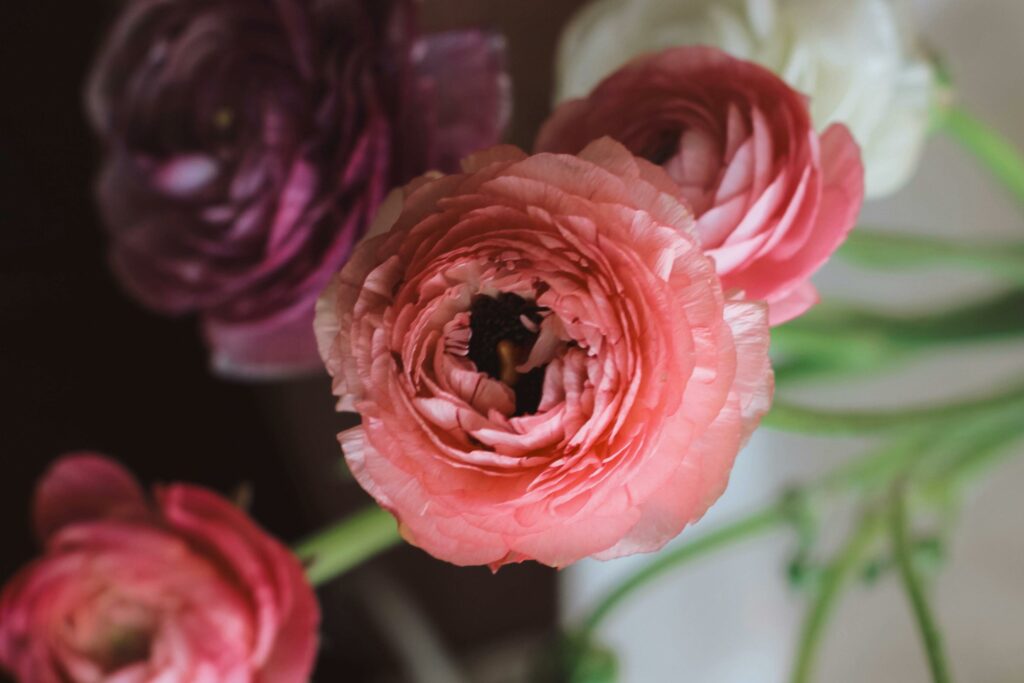

Roses are the quintessential Valentine’s Day flower, and their color carries significant meaning in different cultures. While red roses are universally associated with love, other colors convey nuanced emotions, social signals, or cultural traditions. Understanding these meanings can help florists, gift-givers, and enthusiasts select the right blooms for every occasion.
Red Roses – Passion and Romantic Love
Global Significance:
- Red roses are the most popular Valentine’s Day flowers worldwide, symbolizing passionate, romantic love.
- In Western countries such as the United States, Canada, the UK, France, and Germany, a bouquet of red roses is a classic declaration of love.
- In Japan and South Korea, red roses express deep romantic feelings, often given by women on February 14 and reciprocated by men on White Day (March 14).
- In Latin America, red roses are integral to Día del Amor y la Amistad, representing both romantic and platonic love depending on the relationship context.
Notes for Florists:
- Single red rose: Love at first sight or a simple declaration.
- Dozen red roses: Complete devotion and romantic commitment.
- Two dozen: Extraordinarily passionate gesture, often reserved for significant anniversaries.
Pink Roses – Admiration and Gratitude
Symbolism:
- Pink roses are associated with admiration, sweetness, elegance, and gratitude rather than intense romantic desire.
Cultural Context:
- In Western cultures, pale pink is often used for new love or to express appreciation, while deeper pinks convey gratitude or admiration.
- In Asia, pink roses are considered appropriate for both romantic and platonic contexts, making them a popular Valentine’s gift for friends or family members.
Florist Tip:
- Use pink roses for subtle romantic gestures or to accompany red roses in mixed bouquets to add nuance to the message.
White Roses – Purity, Respect, and Remembrance
Symbolism:
- White roses convey purity, innocence, reverence, and spiritual love. In some cultures, they are associated with new beginnings or matrimonial blessings.
Cultural Nuances:
- In Western countries, white roses are often used in weddings or to signify young love and devotion.
- In China and some East Asian countries, white flowers are generally associated with funerals and mourning, so caution is advised when gifting white roses romantically.
- In India and Middle Eastern cultures, white roses can symbolize purity of intention or spiritual love rather than romantic passion.
Florist Tip:
- Pair white roses with red or pink to balance purity with passion. Avoid gifting solely white roses in East Asian contexts unless culturally appropriate.
Yellow Roses – Friendship, Joy, and Jealousy
Symbolism:
- Yellow roses often represent friendship, joy, and positive energy, but can also signify jealousy or infidelity depending on context.
Cultural Context:
- In the United States and UK, yellow roses are typically platonic, signaling friendship rather than romance.
- In Latin America, they are acceptable for cheerful gestures but usually not romantic intentions.
- In Germany and Russia, yellow roses historically carried negative connotations such as jealousy or deceit; care should be taken in romantic contexts.
Florist Tip:
- Use yellow roses for friends or family rather than a romantic partner unless the recipient understands the intended joyful message.
Orange Roses – Enthusiasm and Desire
Symbolism:
- Orange roses convey enthusiasm, fascination, and strong desire. They are less traditional than red but increasingly used to express admiration or budding passion.
Cultural Context:
- In Western cultures, they are seen as a bridge between friendship (yellow) and passionate love (red).
- In Asia, orange roses are trendy and popular among young couples to express attraction and excitement.
Florist Tip:
- Consider orange roses for Valentine’s Day bouquets that express flirtation or new love.
Lavender and Purple Roses – Enchantment and Mystery
Symbolism:
- Lavender or purple roses symbolize enchantment, love at first sight, and mystique.
- They convey elegance and can also express admiration or deep romantic fascination.
Cultural Context:
- In Western cultures, purple roses are associated with enchantment and royalty, often used in unique or luxurious arrangements.
- In Japan, they are appreciated for elegance and sophistication and may be gifted to express admiration or infatuation.
Florist Tip:
- Ideal for Valentine’s bouquets that aim to surprise or impress with something unique. Pairing with red roses can blend passion with intrigue.
Green Roses – Harmony and Growth
Symbolism:
- Green roses signify growth, harmony, fertility, and renewal. They are less common but can express stability in relationships and best wishes for continued growth.
Cultural Context:
- In Western and Asian contexts, green roses are appreciated for their freshness and symbolic optimism, often given as a gesture of hope or reassurance.
Florist Tip:
- Use green roses in mixed Valentine bouquets to convey balance and long-term commitment.
Blue Roses – Mystery and the Impossible
Symbolism:
- Blue roses, often dyed or artificially created, represent mystery, the unattainable, and deep fascination.
- They are suitable for expressing love that is extraordinary or unconventional.
Cultural Context:
- In Asia, blue roses are increasingly popular for younger couples, symbolizing uniqueness and rarity in love.
- In Western cultures, they are used for avant-garde arrangements or to express admiration for someone exceptional.
Florist Tip:
- Best used sparingly or in combination with other colors to highlight uniqueness and intrigue.
Black Roses – Farewell or Transformation
Symbolism:
- Black roses symbolize endings, farewells, or transformation, and are rarely used for Valentine’s Day romance.
- They may appear in Gothic or alternative arrangements for symbolic or artistic purposes.
Cultural Context:
- In Western cultures, black roses are associated with mourning or rebirth.
- Not traditionally used as Valentine gifts for romantic intent, but can be incorporated in artistic arrangements with caution.
Practical Tips for Florists
- Cultural awareness: Be mindful of the recipient’s cultural background when selecting rose colors, especially white or yellow.
- Mixed bouquets: Combining colors can convey nuanced messages (e.g., red + white for unity, red + pink for admiration and passion).
- Storytelling: Explaining the symbolism of each color enhances the gifting experience and adds meaning.
- Trends: Some cultures embrace modern interpretations, such as blue or orange roses, for unique Valentine’s gifts.
Roses convey far more than simple beauty—they carry rich symbolic meaning that varies across countries and cultures. Selecting the right color can express passion, admiration, friendship, purity, or fascination. For florists and gift-givers, understanding these nuances ensures that every Valentine’s Day bouquet communicates the intended sentiment accurately and memorably.