
In the vibrant heart of Hong Kong, love is a language spoken through the delicate petals of a well-chosen bouquet. As a city that beautifully bridges East and West, we are fortunate enough to celebrate romance twice a year: once during the global Western Valentine’s Day on February 14th, and again during the soulful Qixi Festival, often referred to as the “Chinese Valentine’s Day.”
While the underlying sentiment of love remains the same, the way Hong Kong couples express it through floristry varies significantly between these two dates. Understanding these nuances is the key to choosing a gift that truly resonates with the occasion.
February 14th: The Grand Gesture of Classic Romance
Western Valentine’s Day in Hong Kong is synonymous with high-octane romance and timeless tradition. This is the day of the “red rose dominance.” Couples typically lean toward classic aesthetics that signal passion and prestige.
On February 14th, the focus is often on scale and status. We see a high demand for long-stemmed Ecuadorian roses and grand, structured arrangements. It is a day of public declarations—bouquets are frequently delivered to offices in Central or Tsim Sha Tsui, serving as a beautiful, fragrant trophy of affection. The color palette is strictly traditional: deep crimson, passionate scarlet, and crisp whites.
Qixi Festival: A Celebration of Subtle Storytelling
The Qixi Festival, falling on the seventh day of the seventh lunar month, carries a more poetic and ethereal weight. Rooted in the legend of the Weaver Girl and the Cowherd, the mood is less about “passion” and more about “devotion” and “destiny.”
For Qixi, Hong Kong couples often move away from the bold reds of February. Instead, there is a preference for soft pastels, whimsical textures, and “dreamy” blooms like hydrangeas, lisianthus, and preserved flowers. The arrangements tend to be more artistic and garden-esque, reflecting the celestial nature of the holiday. It is a time for thoughtful, sentimental choices that prioritize the unique personality of the recipient over traditional norms.
The Evolution of Modern Hong Kong Tastes
In recent years, we have observed a fascinating “crossover” in how locals choose flowers. Many modern couples are now opting for seasonal “it-flowers” regardless of which Valentine’s Day it is.
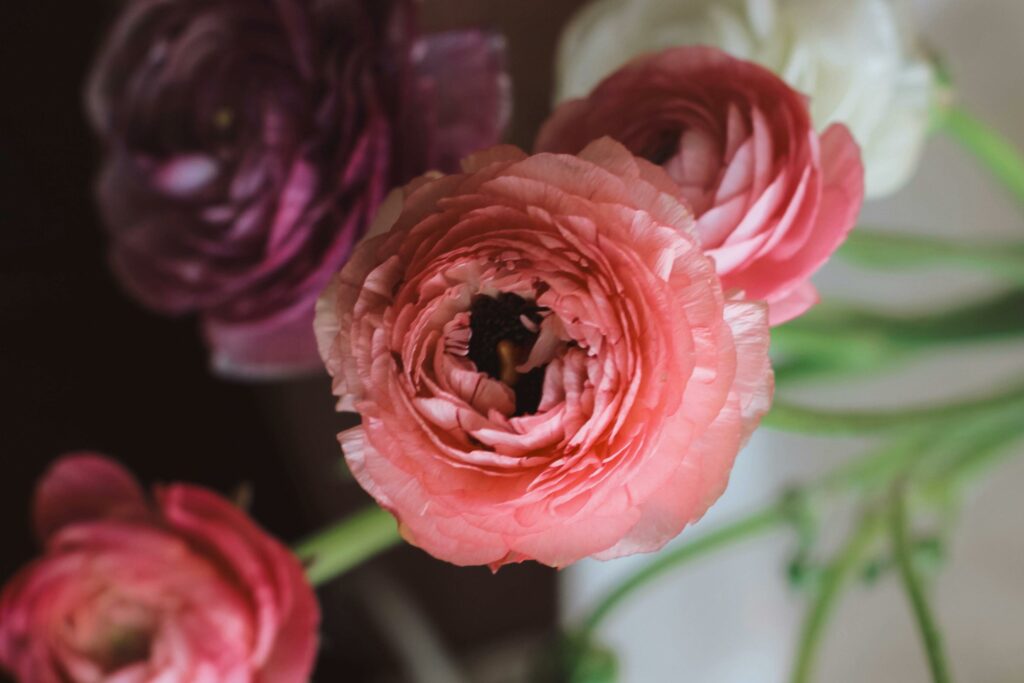
During the February celebration, Tulips and Ranunculus are becoming popular for those who find red roses too cliché. Conversely, for Qixi, many are embracing bold Sunflowers or Peonies to represent a “bright future” together. At Bloombox HK, we’ve noticed that while the holidays have different roots, the ultimate trend is toward personalization—adding a bespoke touch that tells a specific “HK love story.”
Navigating the Hong Kong Flower Scene
Whether you are planning for February or the lunar summer, gifting flowers in Hong Kong requires a bit of local know-how to ensure your gesture lands perfectly.
- Mind the Humidity: Hong Kong’s summer humidity during Qixi can be tough on delicate petals. We recommend hardier blooms like Orchids or premium Lilies, or opting for our signature boxed arrangements which include a floral foam base to keep stems hydrated during the commute.
- The “Workplace Delivery” Window: If you are delivering to a Grade-A office tower in Central or ICC, aim for a morning delivery. This ensures your partner can enjoy the bouquet at their desk all day—a quintessential part of the Hong Kong Valentine’s experience.
- Symbolism Matters: In local culture, the number of stems can carry meaning. 11 roses represent “you are my only one,” while 99 roses signify “eternal love.” If you’re looking to make a massive impression during the Western Valentine’s Day, the 99-rose bouquet remains the ultimate Hong Kong gold standard.
- Plan for the Peak: Both dates are incredibly busy for local florists. To secure the rarest imports and guarantee a specific delivery slot amidst the city’s frantic traffic, always place your Bloombox order at least 7–10 days in advance.