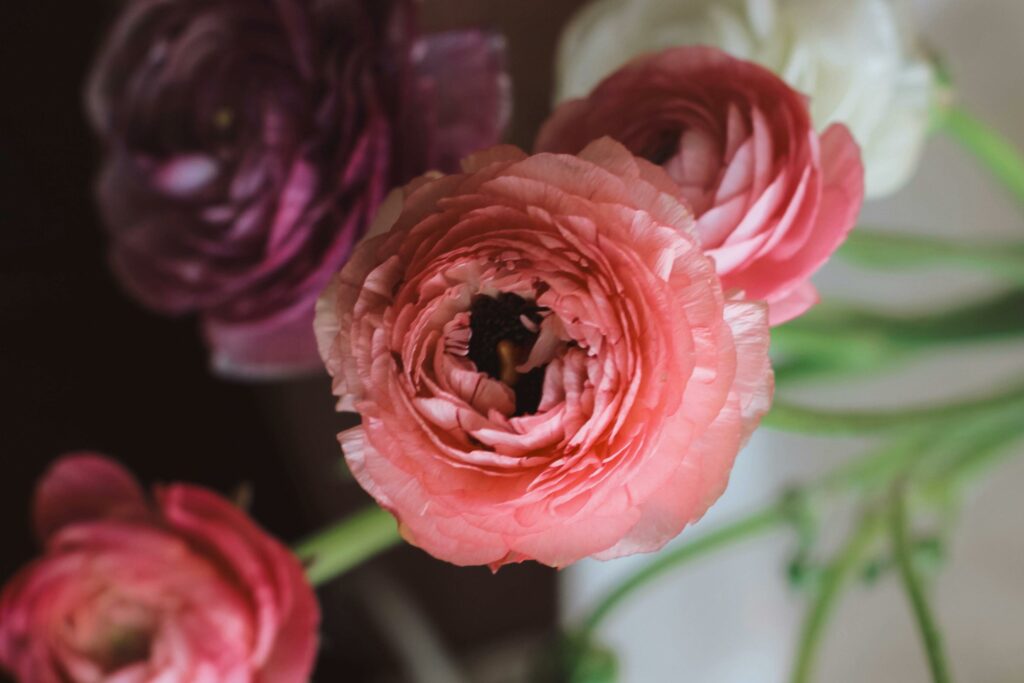

In South American mythology, motherhood is inseparable from the land itself. Across Indigenous traditions—from the Andes to the Amazon—maternal power is expressed through earth, rivers, forests, and flowering plants. Rather than isolating motherhood as a purely human role, these cosmologies understand it as a living principle that sustains ecosystems, communities, and spiritual balance.
Flowers in these traditions are rarely just decorative. They are signals of fertility, transformation, and sacred relationships between humans and the natural world. Through them, motherhood is imagined as both nurturing and formidable—capable of giving life, but also of demanding respect and reciprocity.
Pachamama and the Blossoming Earth: Fertility and Reciprocity
At the center of Andean cosmology is Pachamama, the Earth Mother who governs fertility, agriculture, and the cycles of life. Flowers, in this context, are not separate symbols but direct expressions of her body.
Blooming plants represent:
- Fertility: The earth’s ability to generate and sustain life
- Reciprocity: Humans must give offerings in return for what they receive
- Seasonal cycles: Planting and flowering reflect birth, growth, and renewal
In Andean rituals, flowers are often used as offerings to Pachamama, reinforcing the idea that motherhood is relational—sustained through mutual care between humans and the land.
The Ceiba Tree and Forest Blossoms: Cosmic Motherhood
In Amazonian and broader South American traditions, the ceiba tree (often called the “world tree”) connects the underworld, earth, and sky. While not a flower itself, its blossoms and surrounding forest life carry maternal meaning.
The ceiba symbolizes:
- Connection: Linking all realms of existence
- Protection: Acting as a spiritual shelter
- Ancestry: Housing spirits and ancestral presence
Forest flowers growing around such sacred trees represent the ongoing fertility of the world. Here, motherhood is not confined to individuals but exists as a cosmic structure, sustaining both visible and invisible life.
Water Flowers and River Spirits: Birth and Transformation
Rivers in South American mythology are often associated with feminine spirits, such as Yemanjá (in syncretic traditions influenced by African cosmology). Aquatic plants and flowers symbolize the generative and transformative aspects of water.
These floral symbols convey:
- Birth: Water as the origin of life
- Transformation: Constant movement and change
- Emotional depth: The nurturing yet unpredictable nature of motherhood
Offerings of white or floating flowers are commonly made to water deities, reflecting maternal care as both gentle and powerful.
Passionflower: Suffering, Devotion, and Sacred Motherhood
The passionflower, native to South America, carries layered symbolic meanings shaped by Indigenous knowledge and later colonial interpretations.
In a maternal context, it represents:
- Sacrifice: The endurance of pain for the sake of life
- Devotion: Deep emotional commitment
- Spiritual motherhood: Care that extends beyond the physical
Though later associated with Christian symbolism, the flower’s intricate structure and resilience also resonate with Indigenous understandings of life’s interconnected struggles and beauty.
Coca Flower: Nourishment and Sacred Sustenance
In Andean cultures, the coca plant is deeply revered. While its leaves are more widely known, its flowering stage represents the beginning of nourishment and sacred exchange.
The coca flower symbolizes:
- Sustenance: Providing energy and vitality
- Ritual care: Used in offerings and communication with spirits
- Maternal provision: Supporting life through both physical and spiritual means
Motherhood here is tied to sustaining not only the body but also relationships with the unseen world.
Amazonian Medicinal Blossoms: Healing and Knowledge
In the Amazon, flowering plants play a central role in traditional medicine. Knowledge of these plants is often passed through generations, frequently guided by maternal figures or female healers.
These blossoms represent:
- Healing: Restoration of balance in body and spirit
- Wisdom: Deep ecological and spiritual knowledge
- Protection: Safeguarding communities through care
Motherhood is expressed through this knowledge—through the ability to heal, teach, and maintain harmony within the environment.
Color, Fragrance, and Ritual: Living Offerings
Flowers in South American traditions are often used in rituals rather than as static symbols. Their color, scent, and vitality are essential.
Common associations include:
- White flowers: Purity, water, and spiritual connection
- Bright colors (red, yellow, orange): Life force, energy, and fertility
- Fragrance: A bridge between human and spirit worlds
These offerings emphasize that motherhood is not abstract—it is enacted through daily practices of care, gratitude, and respect.
Shared Themes: A South American Vision of Motherhood
Across these traditions, motherhood emerges as:
- Ecological: Deeply rooted in land, water, and biodiversity
- Reciprocal: Sustained through balance between giving and receiving
- Spiritual: Extending beyond physical care into ritual and cosmology
- Transformative: Constantly evolving through cycles of life and change
Unlike traditions that isolate motherhood within the family, South American mythology expands it outward—to include the earth, spirits, and entire ecosystems.
The Living Continuation
These symbols remain active in contemporary Indigenous practices and cultural expressions. Offerings to Pachamama continue, river rituals persist, and medicinal plant knowledge is still passed down through generations.
Flowers, in this context, are not passive symbols. They are living participants in a worldview where motherhood is everywhere—in soil, in water, in breath, and in the ongoing act of sustaining life.