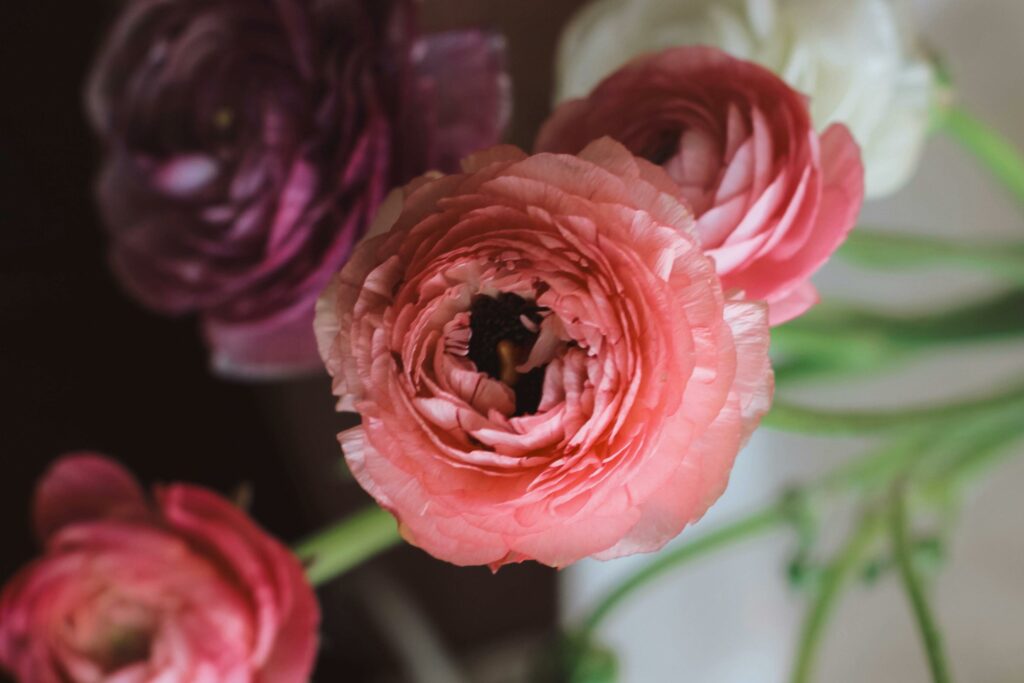

A Mother’s Day bouquet may be one of the most universal gifts in the world, but few gifts change meaning as quickly when they cross borders.
Flowers travel beautifully. Symbolism does not always travel with them.
A bouquet that feels graceful in one country can feel unexpectedly solemn in another. A colour that reads festive in one culture may suggest mourning elsewhere. Even a flower that seems timeless and harmless can carry a very specific emotional message once it enters a different social tradition.
That is what makes Mother’s Day flower giving so fascinating on a global scale. It is not just about taste. It is about atmosphere, memory, custom, and the quiet emotional codes people absorb without always being able to explain them.
Across much of the world, people rarely look at a bouquet as a collection of separate stems. They read it as a whole visual sentence. The flower matters, yes, but so do colour, shape, proportion, wrapping, and even the mood it creates the moment it enters a room.
If there is one rule that works almost everywhere, it is this: Mother’s Day flowers should feel warm, alive, and affectionate — never ceremonial, mournful, or emotionally distant.
That sounds simple until you realise how differently cultures define those feelings.
In much of East Asia, white is the first thing people often notice.
Across places such as Japan, South Korea, China, and Hong Kong, white flowers can sometimes drift toward the visual language of mourning, remembrance, and funerary ritual. That does not mean white flowers are forbidden. A few white accents in a colourful arrangement can feel refined and elegant. But a bouquet dominated by white can sometimes feel too solemn for a family celebration.
White chrysanthemums are especially worth treating with care. In several countries, they are deeply tied to memorial settings and funeral offerings. Even when the giver means only elegance, the receiver may feel a moment of hesitation because the emotional register feels off.
The same principle appears in parts of Europe.
In countries such as France and Italy, chrysanthemums are also strongly associated with mourning and remembrance. A bouquet of chrysanthemums may look perfectly innocent to someone from elsewhere, but in these contexts it can feel strikingly out of place for Mother’s Day. Floral meaning, in other words, often survives longer than fashion. A bloom can be modern in one place and deeply ritualistic in another. (botanicadirect.com)
White flowers become even more nuanced in North America.
In the United States, carnations are woven into the very history of Mother’s Day. But colour matters. White carnations came to be associated with remembrance and mothers who have passed away, while pink and red carnations are more commonly linked to living mothers and active celebration. A bouquet of white carnations is not necessarily unlucky there, but it can carry a quieter, more memorial tone than many people intend. (BLOOM & SONG)
That distinction matters because many people assume “white equals classic.” Around the world, white often means something more complicated than simple elegance.
If white is the colour that most often requires caution, pink is arguably the colour that travels best.
Few shades feel as universally safe for Mother’s Day as pink. Across Asia, Europe, North America, and much of Latin America, pink tends to suggest tenderness, affection, gratitude, and emotional warmth without tipping into romantic symbolism.
That is one reason carnations remain one of the most reliable Mother’s Day flowers worldwide.
They are classic without feeling dated. Thoughtful without feeling theatrical. Their softness naturally fits the emotional tone of the occasion. Whether in Canada, Australia, Japan, or United Kingdom, pink carnations rarely feel culturally awkward. They tend to communicate exactly what most people want to say: thank you, I appreciate you, I love you.
Orchids are another flower with unusually global versatility.
In cities such as Singapore, Bangkok, Dubai, and London, orchids often feel polished, respectful, and sophisticated without becoming emotionally cold.
They also solve a practical problem. Some flowers lean too romantic, too rustic, or too ceremonial depending on the setting. Orchids tend to avoid all three. They feel quietly elevated, which makes them one of the safest international choices when you are unsure of local floral symbolism.
Roses, naturally, are almost everywhere — but even roses need context.
In many parts of the world, roses symbolize love. On Mother’s Day, however, emotional tone matters more than symbolism alone. Deep crimson roses can sometimes feel intensely romantic, especially in places where Valentine’s imagery is culturally strong. Softer pinks, warm blush shades, peach tones, or gentle coral often work better because they communicate appreciation rather than passion.
That distinction becomes especially useful when sending flowers internationally. What you want is affection, not ambiguity.
Colour carries different meanings in different regions, but some broad patterns appear surprisingly often.
Red tends to signal celebration, warmth, luck, and vitality in many cultures. In Chinese cultural contexts, red is strongly associated with happiness and auspiciousness. In much of Latin America, it often feels joyful and generous. In many Western countries, red can feel beautiful but slightly more emotionally intense.
Yellow is more unpredictable.
In some places, yellow feels cheerful, bright, and optimistic. In others, depending on flower type and arrangement style, it can feel formal or melancholy. A soft yellow mixed into a warm spring bouquet often works beautifully. A pale yellow arrangement paired with lots of white, however, can sometimes lean unexpectedly sombre.
This is one reason florists often think in terms of palette rather than individual flowers. The emotional meaning of a bouquet often comes less from what flower is included than from how the colours speak together.
Numbers also enter the picture more often than many people realise.
In several East Asian traditions, especially Chinese-speaking communities, the number four is commonly avoided because its pronunciation resembles the word for death. That symbolism can affect gifts, addresses, and floral arrangements alike.
Not everyone pays attention to stem count, but enough people do that avoiding four is a useful international rule if you want to stay on safe ground.
By contrast, numbers such as eight can feel especially auspicious in some cultures because of associations with prosperity and fortune.
In many Western countries, stem count is usually less symbolically charged, but even there, bouquet numbers can subtly shape mood. A fuller, asymmetrical arrangement often feels more generous and natural than a small, rigidly counted group of flowers.
Presentation matters almost as much as the flowers themselves.
A bouquet can be perfectly chosen and still feel wrong because of packaging.
Around the world, wrapping quietly changes emotional tone. Crisp white paper can make a bouquet feel sharper, cooler, or more formal. Soft blush wrapping, champagne tones, muted cream, pale peach, or gentle pastels almost always soften the gesture and make it feel more personal.
The same flowers can look like celebration or condolence depending on how they are arranged.
That is especially true in cities where minimalist floristry is fashionable. Minimalism can be elegant, but on Mother’s Day, too much austerity can accidentally read as distance. A little softness, movement, and warmth almost always helps.
One of the most overlooked truths about Mother’s Day flowers worldwide is that “bad luck” is often not really about superstition.
More often, it is about emotional mismatch.
People do not always consciously think, “That flower is unlucky.” What they often feel first is simply that something about the bouquet feels wrong for the occasion. Too formal. Too cold. Too ceremonial. Too much like remembrance instead of celebration.
That instinct is often cultural memory working beneath the surface.
A bouquet that succeeds almost anywhere in the world usually follows the same unwritten formula.
It feels fresh rather than stiff. It feels generous rather than sparse. It uses warm or soft colours rather than stark contrasts. It leans toward pinks, blush tones, peach, soft red, and lively seasonal textures. It avoids obvious funeral associations, especially white chrysanthemums or overly monochrome white arrangements. It feels like family, not ritual.
If you wanted one of the safest global combinations imaginable, you could do far worse than pink carnations, a few orchids, soft seasonal filler flowers, and warm-toned wrapping.
That combination works not because it follows every cultural rule. It works because it gets the emotional temperature right.
And that, ultimately, is the real secret of Mother’s Day flower etiquette around the world.
Avoiding unlucky flower superstitions is not about memorising a catalogue of forbidden blooms from every country. It is about understanding how people read flowers emotionally.
Choose flowers that look alive.
Choose colours that feel grateful.
Choose arrangements that feel warm, generous, and intimate.
Be cautious with white chrysanthemums. Be mindful of all-white bouquets. Avoid the number four when local symbolism may matter. And whenever you are uncertain, let softness lead the way.
Because the most successful Mother’s Day bouquet, anywhere in the world, does not feel symbolic first.
It feels loved.