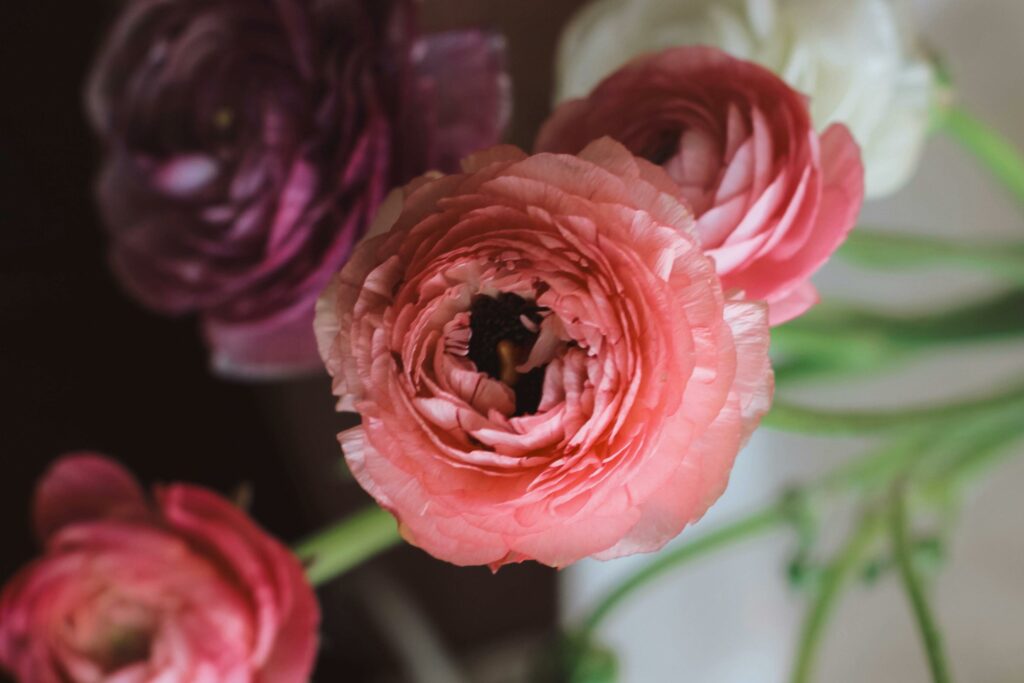

Dyed flowers have transformed the art of floral gifting, offering possibilities that natural blooms alone cannot achieve. With vibrant hues ranging from soft pastels to bold neons and even multi-colored rainbows, dyed flowers captivate the eye and evoke strong emotions. They are versatile, allowing florists and gift-givers to tailor arrangements for weddings, anniversaries, birthdays, corporate gifts, or even whimsical occasions. The process of creating these extraordinary blooms requires knowledge of flower varieties, dyeing techniques, and proper care to ensure the colors remain vivid and the flowers retain their natural elegance. This guide provides an in-depth look at the world of dyed flowers, their varieties, color possibilities, dyeing methods, and expert care strategies for creating unforgettable gifts.
Understanding Dyed Flowers
Dyed flowers are real flowers whose petals or stems have absorbed artificial or natural colorants to achieve shades that might not exist in nature. This process enhances their visual appeal, making them ideal for creative designs or thematic gifting. The most popular flowers for dyeing are those that are naturally light-colored, as these allow pigments to show more vividly. White, cream, or pale pastel flowers often serve as a “blank canvas,” enabling florists to produce a wide spectrum of colors and effects.
The dyeing process can be subtle or dramatic. Some flowers absorb color gradually through the stem, creating gentle gradients or ombré effects. Others are sprayed or immersed in dye solutions for uniform, intense coloration. With skill, florists can achieve almost any imaginable hue—from soft lavender that evokes romance to electric blue that commands attention. Dyed flowers are not only visually striking but also highly customizable, making them perfect for personalized gifts and thematic arrangements.
Best Flower Varieties for Dyeing
Certain flower varieties are particularly well-suited for dyeing due to their petal structure, natural absorption properties, and durability. Roses are among the most popular choices, especially white or very light-colored roses. Their dense, soft petals readily absorb colored water, allowing the entire bloom to change hue over time. Roses also respond well to split-stem techniques, enabling florists to create multi-colored or rainbow effects.
Carnations are another excellent choice for dyeing. Their tightly packed petals and strong stems allow them to absorb dye efficiently, producing vibrant, uniform coloration. Carnations are ideal for ombré effects or multi-colored presentations. Daisies and chrysanthemums, with their broad, flat petals and natural light tones, are particularly effective for spray or immersion dyeing. Their colors remain vivid and consistent, making them excellent for bulk arrangements or rainbow-themed bouquets.
Hydrangeas offer a unique opportunity for creative expression. Their natural color can shift subtly with acidity levels, and when combined with dyeing techniques, they can achieve both delicate pastels and bold, modern shades. Smaller filler flowers such as baby’s breath or gypsophila can also be dyed for accent effects, adding depth, contrast, and whimsy to a bouquet.
Dyeing Techniques: Achieving the Perfect Color
Several techniques are used to create dyed flowers, each producing distinct effects. The choice of method depends on the flower species, desired color, and presentation style.
Stem Absorption
The most common technique involves cutting the flower stem at an angle and placing it in water mixed with dye. Over time, the petals absorb the color, often producing a gradient effect that appears natural and soft. This method allows florists to achieve gentle color transitions or fully saturated blooms. By splitting the stem into multiple sections and placing each segment in a different dye solution, it is possible to create multi-colored or rainbow roses, where each petal may display subtle variations in tone. This technique is time-sensitive and requires patience, as absorption can take several hours to days, depending on the flower species and the intensity of the dye.
Spray and Airbrush Methods
Spray dyeing or airbrushing allows florists to control the placement and intensity of color with precision. This method is ideal for delicate flowers or when intricate designs are desired. Florists can create ombré effects, streaks, tips, or patterned petals without affecting the flower’s natural structure. Spray dyes are available in water-based and alcohol-based formulations; water-based sprays are gentler on petals, while alcohol-based dyes tend to produce more vibrant, long-lasting colors. This method is also faster than stem absorption, making it ideal for last-minute gifts or event arrangements.
Immersion and Soaking
Some flowers, particularly smaller varieties such as daisies or chrysanthemums, can be fully immersed in dye solutions for a uniform, intense color. This technique produces consistent results across multiple blooms, making it excellent for bulk production or large-scale gift arrangements. Florists often use immersion to create neon, pastel, or uniform jewel-toned flowers. After immersion, flowers must be rinsed gently and carefully handled to prevent bruising or damage to the petals.
Color Choices and Symbolism
Dyed flowers open up a world of creative possibilities, with colors conveying mood, symbolism, or event themes. Red and deep pink dyed flowers enhance romance and admiration, making them ideal for Valentine’s Day, anniversaries, or intimate gifts. Blue and purple shades evoke mystery, elegance, and creativity; blue roses, for instance, symbolize the unattainable or extraordinary. Soft pastels, such as lavender, baby blue, or peach, produce dreamy, romantic arrangements suitable for weddings, baby showers, or delicate-themed gifts.
Rainbow and multicolor effects are perfect for celebrations, birthdays, or whimsical gifts. By using stem-splitting, immersion, or spray techniques, florists can create blooms where each petal or section displays a distinct color, producing an unforgettable visual experience. Neon and metallic colors, increasingly popular for modern or statement arrangements, provide bold, contemporary impact. Gold, silver, or copper-tinted flowers elevate the arrangement into a luxury gift piece, ideal for corporate gifting or high-end occasions.
Caring for Dyed Flowers
While dyed flowers are visually striking, they require careful handling to maintain their beauty. Just like fresh-cut blooms, they need fresh water, clean vases, and proper placement away from direct sunlight or drafts. Cutting stems at an angle every few days ensures optimal water absorption, which is critical for preserving both the structure and vibrancy of dyed petals.
Special attention is needed for dyed petals: excessive moisture from sprays or condensation can cause bleeding, dulling, or mixing of colors. Multi-colored or split-stem flowers must remain submerged in water properly, ensuring consistent hydration and color retention. By following these simple but essential care steps, dyed flowers can remain vibrant for several days to a week, maximizing their impact as a gift.
Presentation Strategies for Gift-Giving
Dyed flowers have a natural “wow factor” that can be amplified with thoughtful presentation. Single-stem displays in clear tubes or elegant glass vases highlight the vividness of the color and allow the recipient to appreciate the intricacy of the dyeing process. For bouquets, combining multiple dyed varieties or pairing dyed blooms with natural greenery creates depth, contrast, and visual interest.
For celebrations or themed gifts, rainbow arrangements or color-coordinated designs can perfectly complement the occasion. Luxury packaging, including decorative boxes, hand-tied wraps, or glass domes, enhances the perception of rarity and elegance, making dyed flowers appear as a unique and treasured gift. Including care instructions and highlighting the dyeing process adds a personal and educational touch, allowing the recipient to fully appreciate the artistry involved.
Choosing the Right Dyed Flower for Every Occasion
Selecting the perfect dyed flower arrangement requires consideration of the occasion, recipient, and desired effect. Subtle pastel tones or single-hued flowers suit romantic, formal, or understated gifts, while bold rainbows, neon colors, or metallic finishes make a statement for celebratory, creative, or whimsical events. By understanding flower varieties, dyeing methods, and the interplay of colors, florists can craft arrangements that maximize visual impact and emotional resonance.
Dyed flowers combine the beauty of nature with artistic creativity. They provide opportunities to deliver highly personalized, visually stunning gifts that leave a lasting impression. With careful selection, expert dyeing techniques, and thoughtful presentation, dyed flower arrangements become more than a bouquet—they become a memorable experience, full of color, emotion, and artistry.