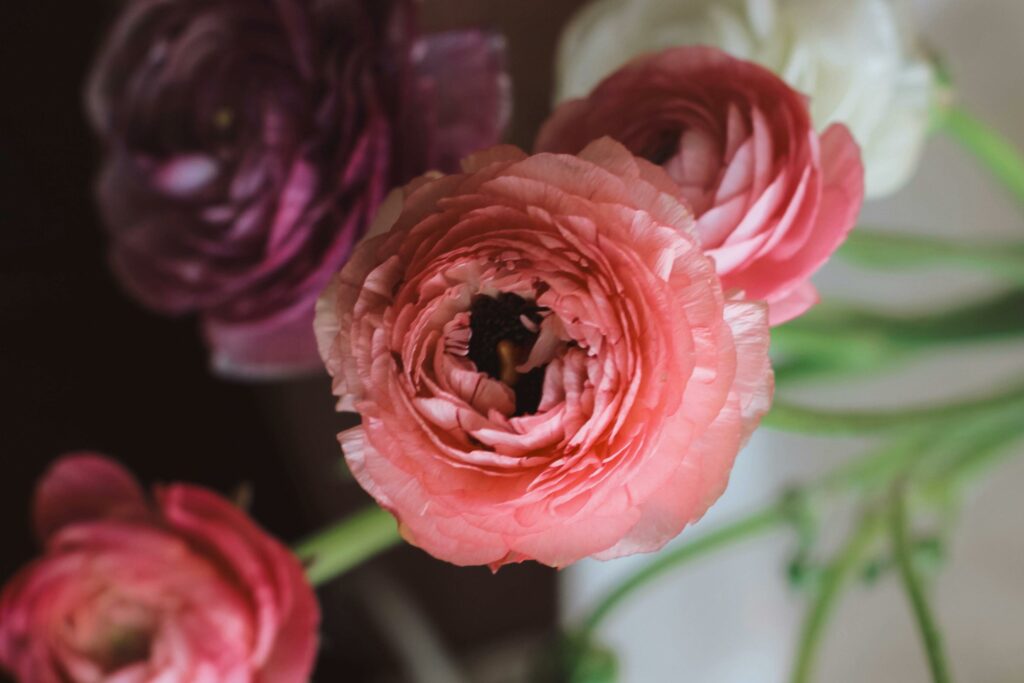

Long before organized religions as we know them today, flowers were revered as living symbols of life, death, and divine power. Across ancient civilizations, humans recognized in the ephemeral beauty of petals the mysteries of existence and the cycles of nature. From the Nile to the Aegean, from Mesoamerica to Mesopotamia, flowers were more than decoration—they were conduits of worship, myth, and cosmic understanding.
Ancient Egypt: The Nile’s Sacred Blossoms
Along the fertile banks of the Nile, flowers held profound spiritual and symbolic significance. The lotus, known as shemu or “water lily,” was the quintessential Egyptian sacred flower. Its daily ritual of closing at night and reopening at dawn mirrored the cycles of life, death, and rebirth, reflecting the Egyptians’ beliefs about the afterlife. The blue lotus symbolized creation, resurrection, and divine authority, while the white lotus represented purity and spiritual perfection.
Flowers were intertwined with worship and burial practices. Lotus motifs adorned temple columns, royal thrones, and tomb paintings, serving as metaphors for the sun, divine birth, and the eternal cycle of life. Marigolds and other local blossoms were offered in rituals to gods like Isis, Osiris, and Ra, linking human devotion to the fertility of the Nile and the cosmos itself.
Mesopotamia: Gardens of the Gods
In the ancient Sumerian, Akkadian, and Babylonian civilizations, flowers symbolized fertility, abundance, and the divine order of nature. Ziggurats and temples often included intricate depictions of stylized flowers on walls, representing life-giving forces from the rivers and fields. The hibiscus, lily, and date palm flowers appeared in cylinder seals and reliefs, signaling prosperity and cosmic balance.
In Sumerian mythology, gardens were sacred spaces where gods and humans could meet. The sacred tree, often flowering and surrounded by exotic blooms, symbolized life, fertility, and the connection between heaven and earth. Flowers also played roles in funeral rites, representing renewal and hope for immortality in the afterlife.
Ancient Greece: The Language of Mythical Flowers
In Greek civilization, flowers were inseparable from mythology, ritual, and philosophy. The rose, for instance, was linked to Aphrodite, the goddess of love, desire, and beauty. Its delicate petals represented both romantic longing and divine beauty. The narcissus was tied to the myth of the youth Narcissus, symbolizing self-reflection and mortality, while the violet was sacred to Persephone, goddess of the underworld, representing humility, modesty, and the cycles of life and death.
Greek philosophers and poets often reflected on the ephemeral nature of flowers as a metaphor for human existence. Flowers adorned altars, were woven into garlands for festivals like the Anthesteria, and decorated graves to honor the deceased, creating a living dialogue between mortals and the gods.
Ancient Rome: Blossoms of Celebration and Divinity
Roman religion, heavily influenced by Greek traditions, embraced flowers as symbols of life, love, and prosperity. Roses were central in rituals dedicated to Venus, the goddess of love, while laurel wreaths symbolized victory and divine favor, used to crown emperors and military heroes alike. The Romans celebrated Floralia, a festival dedicated to Flora, the goddess of flowers, fertility, and spring, where streets were strewn with blossoms, and theatrical performances honored the regenerative power of nature.
Lilies were associated with Juno, the queen of the gods, and symbolized purity, maternal protection, and divine grace. Flowers permeated Roman art, mosaics, and garden design, demonstrating a deep cultural appreciation for their aesthetic and spiritual power.
Mesoamerica: Sacred Petals of the Maya and Aztec
In the civilizations of Mesoamerica, flowers were more than adornments—they were central to ritual, mythology, and cosmic symbolism. The Maya and Aztec peoples viewed flowers as sacred gifts from the gods, representing life, fertility, and divine beauty. Marigolds, known as cempasúchil, were used in festivals to honor the dead, guiding spirits with their vibrant orange color.
The ceiba tree, often surrounded by flowering plants, symbolized the axis mundi—the connection between heaven, earth, and the underworld. In Mayan iconography, flowering vines and blossoms represented creation, agricultural abundance, and the divine patronage of gods like Xochiquetzal, goddess of flowers, love, and fertility. Flowers were integral to temple offerings, ceremonial headdresses, and codices, weaving beauty and sacred meaning into daily life.
Ancient China: Taoist and Dynastic Blossoms
Even in antiquity, Chinese civilizations attached symbolic significance to flowers. The peony, considered the “king of flowers,” represented wealth, honor, and beauty. Chrysanthemums symbolized endurance, nobility, and moral integrity, while plum blossoms, which bloom in winter, symbolized resilience and renewal. These flowers were woven into Taoist and Confucian thought, where natural beauty mirrored moral virtue and spiritual cultivation.
Imperial gardens and ceremonial offerings often included flowers, which were seen as channels of harmony between humans, heaven, and the cosmos. The flowering of certain plants marked seasonal festivals, agricultural cycles, and rites of passage, demonstrating an intimate link between flora and human spirituality.
Themes Across Ancient Civilizations
Despite geographic distance and cultural diversity, certain motifs recur in ancient flower symbolism:
- Life, Death, and Rebirth: Lotus, lilies, and narcissus represent the cycle of mortality and spiritual renewal.
- Divine Beauty and Love: Roses and marigolds signify both human desire and sacred grace.
- Fertility and Prosperity: Flowers often accompanied gods of agriculture, abundance, and creation.
- Resilience and Moral Virtue: Chrysanthemums and plum blossoms reflect strength and ethical integrity.
Flowers served as living metaphors, embodying the sacred rhythms of nature and human experience. In their delicate beauty, the ancients saw reflections of cosmic order, moral truth, and the divine presence.
Timeless Petals of the Sacred
From the Nile Delta to the temples of Mesoamerica, flowers have always been messengers between mortals and gods. They communicate impermanence, devotion, and cosmic harmony. Ancient civilizations understood that a bloom’s fleeting life carries eternal lessons: life’s fragility, the promise of renewal, and the ever-present touch of the divine. By honoring flowers in ritual, art, and daily life, these societies celebrated beauty as a sacred language—one that continues to resonate in the modern imagination.