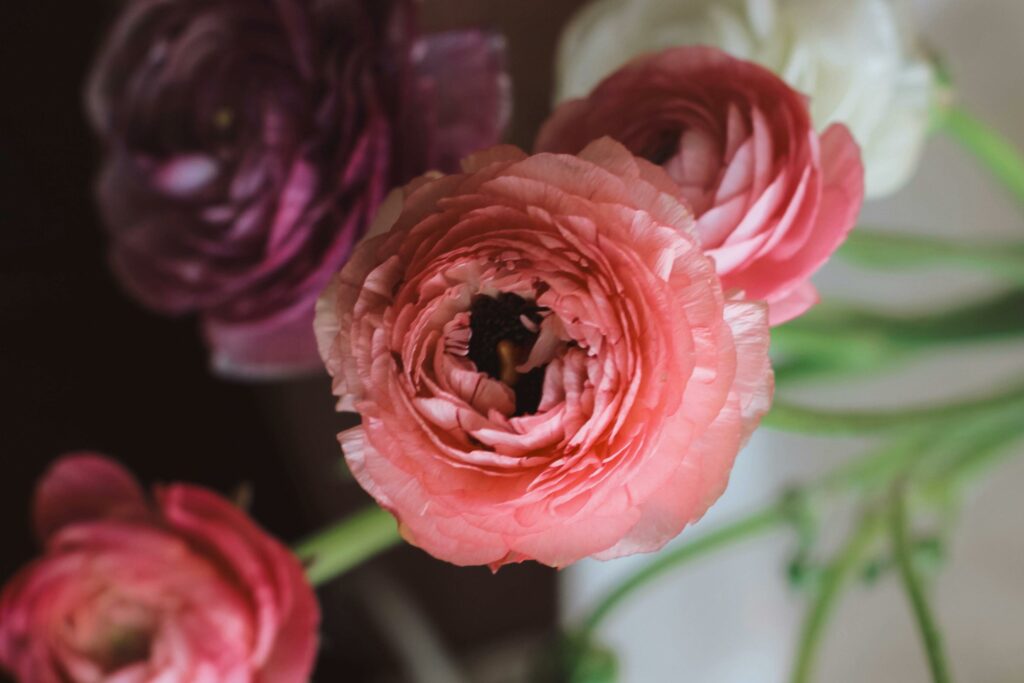

When apologizing to someone you love, the right flowers can convey your sincerity and emotional depth. In Asia, flower meanings are often influenced by tradition, history, and local symbolism. Choosing the wrong flower could unintentionally convey the wrong message, so it’s important to be thoughtful. Here’s a guide to help you express heartfelt regret.
1. Red Roses – Universal Symbol of Love
- Meaning: Love, passion, deep affection, and sincerity.
- Why it works for apologies: A classic choice, red roses universally communicate love and romantic intent. Sending a bouquet of red roses says, “I regret hurting you and my heart is with you.”
- Cultural note: Red is a positive, lucky color in many Asian cultures, symbolizing vitality and strong emotions.
2. White Lilies – Purity and Sincere Regret
- Meaning: Purity, renewal, and honesty.
- Why it works for apologies: White lilies signal genuine intentions and a desire to mend the relationship. They convey sincerity without being overly romantic, which makes them ideal if the hurt is significant.
- Cultural note: In some East Asian cultures (like China and Japan), white can symbolize mourning, so consider pairing lilies with soft pink or yellow blooms to soften the message.
3. Pink Carnations – Gentle Affection and Remorse
- Meaning: Admiration, gratitude, and gentle love.
- Why it works for apologies: Pink carnations are subtle and tender, expressing that you care deeply and regret your actions without overwhelming your partner.
- Cultural note: Carnations are often associated with family and respect, but soft pink is romantic enough for a romantic apology.
4. Orchids – Elegance and Devotion
- Meaning: Beauty, refinement, and deep emotional commitment.
- Why it works for apologies: Orchids convey a sense of care and sophistication. Sending orchids shows that you value the relationship and are willing to invest in repairing it.
- Cultural note: Orchids are especially cherished in Southeast Asia, China, and Japan for their elegance and longevity—symbolizing enduring love.
5. Tulips – Perfect for Heartfelt Reconciliation
- Meaning: Love, comfort, and forgiveness.
- Why it works for apologies: Tulips are associated with perfect love and can signal a sincere wish to reconcile. Red tulips represent deep love, while soft pastel colors indicate gentleness and care.
- Cultural note: Tulips are gaining popularity across Asia as modern symbols of love, especially in urban areas and flower shops.
6. Sunflowers – Optimism and Positive Intent
- Meaning: Loyalty, warmth, and happiness.
- Why it works for apologies: While unconventional for romance, sunflowers convey a message of optimism and hope, saying, “I want to make things bright again between us.”
- Cultural note: In Japan, sunflowers represent positivity and adoration, making them a cheerful, light-hearted apology option.
7. Combination Bouquets – Balance and Thoughtfulness
Sometimes, combining flowers amplifies the message:
- Red roses + white lilies: Passion and sincerity.
- Pink carnations + orchids: Gentle affection with elegance.
- Tulips + sunflowers: Forgiveness paired with optimism.
Careful color coordination matters: soft pastels for tenderness, vibrant reds for passion, and whites for sincerity.
Tips for Sending Flowers in Asia
- Consider local flower etiquette: In some countries, certain numbers of flowers are avoided (e.g., 4 in China is associated with death).
- Include a handwritten note: Flowers alone are meaningful, but a personal apology note adds authenticity.
- Timing matters: Send the bouquet promptly after the misunderstanding to show attentiveness and sincerity.
Bottom line: The best flowers for a romantic apology in Asia balance sincerity, cultural symbolism, and romantic intent. Red roses, orchids, and tulips are safe and expressive, while adding soft tones like pink or white can soften the message and show genuine remorse.