
The process begins with gathering inspiration, and this stage is much more immersive than simply scrolling and saving pretty pictures. Spend time exploring visual material from a wide range of sources: not only wedding platforms, but also interior design photography, natural landscapes, botanical illustrations, fashion campaigns, art books, and even films whose color palettes resonate with you. At this early point, allow yourself total freedom. You are not choosing or curating yet; you are collecting glimpses of an aesthetic language that appeals to you. Include grand installations, delicate floral close-ups, editorial bouquets, color studies, and anything else that evokes the atmosphere you imagine for your wedding. The goal is not to find perfect examples but to assemble visual cues that feel emotionally connected to your vision.
Once you have gathered a generous number of images, step back and begin looking for patterns. When viewed together, inspiration images reveal a style long before you put it into words. Notice whether you tend toward arrangements that feel airy and wild, or those that are sculptural and contemporary. Pay attention to the shapes—some bouquets might be heavily structured and rounded, while others cascade organically or feel almost weightless. Consider the textures that draw you in: velvety petals, glossy tropical leaves, feathery grasses, or lush layers of garden-style blooms. These subtleties begin to define your floral personality. With this understanding, you can articulate a few descriptive phrases—perhaps something like “romantic garden elegance,” “earthy bohemian with dried textures,” or “minimalist monochromatic modernism.” These words will guide the rest of your moodboard, keeping your choices cohesive rather than chaotic.
After identifying your style, turn your attention to color. Choosing a floral palette is one of the most transformative steps because flowers communicate through color as powerfully as through form. Begin by noting the tones that repeat across your inspiration images. Sometimes your eye gravitates naturally toward muted pastels, rich jewel tones, soft neutrals, or warm earthy hues. Consider the practical aspects too: the season of your wedding, the color of your bridal party attire, and the natural lighting and architectural style of your venue. If your venue is filled with greenery, you may want to embrace harmony with soft garden tones, whereas a sleek modern space might inspire a palette of crisp whites and bold accent colors. Define your main colors first, then decide which shades will serve as subtle accents and which neutrals will anchor the palette. At this stage, it’s helpful to include color swatches so the florist can understand the precise shades you envision—soft blush is not the same as dusty rose, and terracotta is distinct from burnt orange.
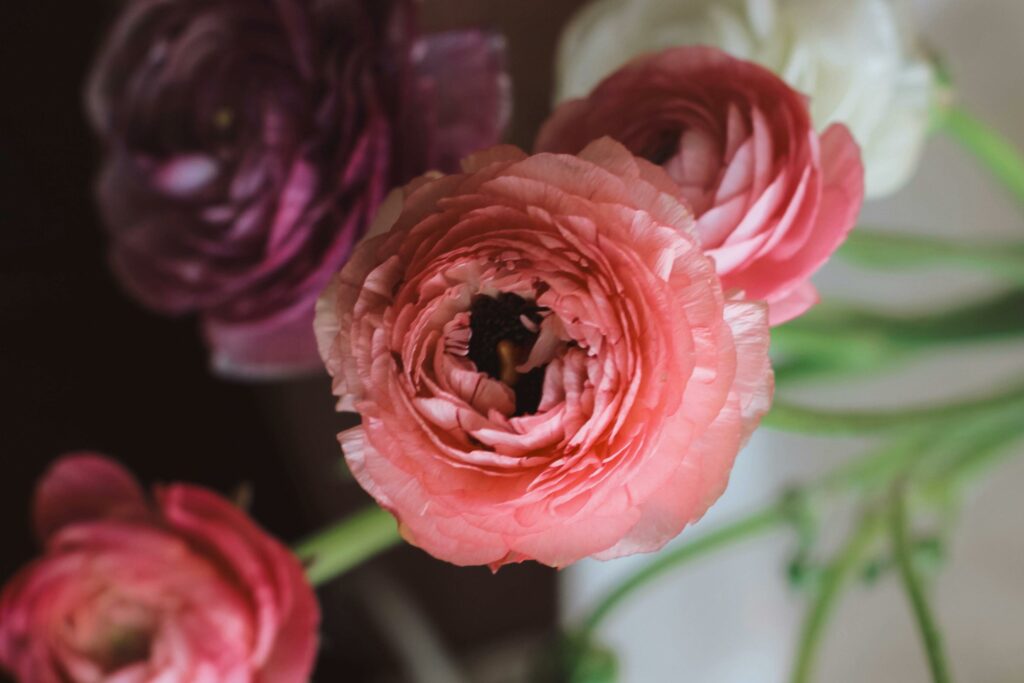
Next, begin identifying individual flowers and foliage that align with your style and palette. This is where you translate mood into botanicals. Explore the varieties available in the season of your wedding, because seasonality greatly influences quality, cost, and color availability. Note whether you are drawn to traditional favorites such as roses, peonies, or hydrangeas, or whether your taste leans toward more unusual blooms like anthurium, orchids, ranunculus, scabiosa, or cosmos. Consider the supporting cast as well—the textural elements like grasses, vines, berries, and branches that will give your arrangements dimension. It’s often helpful to gather labeled images so you can reference the specific varieties you like. Even if some flowers are out of season or beyond budget, your florist can advise on suitable substitutions that achieve the same effect.
Now you can begin assembling the actual moodboard. Think of it not as a collage but as a visual story. Organize the board in a way that flows naturally. Start with a small group of “hero” images that capture the essence of your floral vision. These should be the images you would show someone if you could only choose a few. Surround them with supporting visuals that detail the bouquet style, ceremony décor, and reception arrangements you imagine. Include images of table settings and room styling if they help contextualize the floral designs. Incorporate your color palette in a clear, accessible way, and place images of your chosen flowers along the edges or in a separate section so that the florist can easily refer to them. If your venue has strong architectural features or distinctive colors, adding venue photographs to your moodboard helps ensure that the floral concept complements the space.
As the layout takes shape, add brief written notes to provide clarity. Rather than long explanations, write concise insights such as what you appreciate about a particular bouquet, which element of a centerpiece inspires you, or where you envision a certain installation. Indicate your non-negotiables and your flexible areas. For example, you might love the loose, overflowing composition of a bouquet but not the ribbon color, or you might adore the color palette of an arch but prefer a more asymmetrical design. These notes guide your florist toward your intentions without restricting their creativity.
Once the board feels complete, refine it. Editing is essential because an overly crowded moodboard becomes confusing rather than helpful. Remove images that repeat the same idea or contradict your chosen aesthetic. Aim for clarity and consistency. When you have whittled down your selections to a collection that feels harmonious and representative, your moodboard becomes a powerful communication tool.
Finally, share your moodboard with your florist, planner, or stylist along with your budget, must-have flowers, and any logistical constraints. A florist can interpret your visual language, offer expert advice, and help transform your ideas into designs that are both beautiful and practical. The moodboard is not a rigid blueprint but a shared creative foundation—one that invites conversation, refinement, and collaboration.