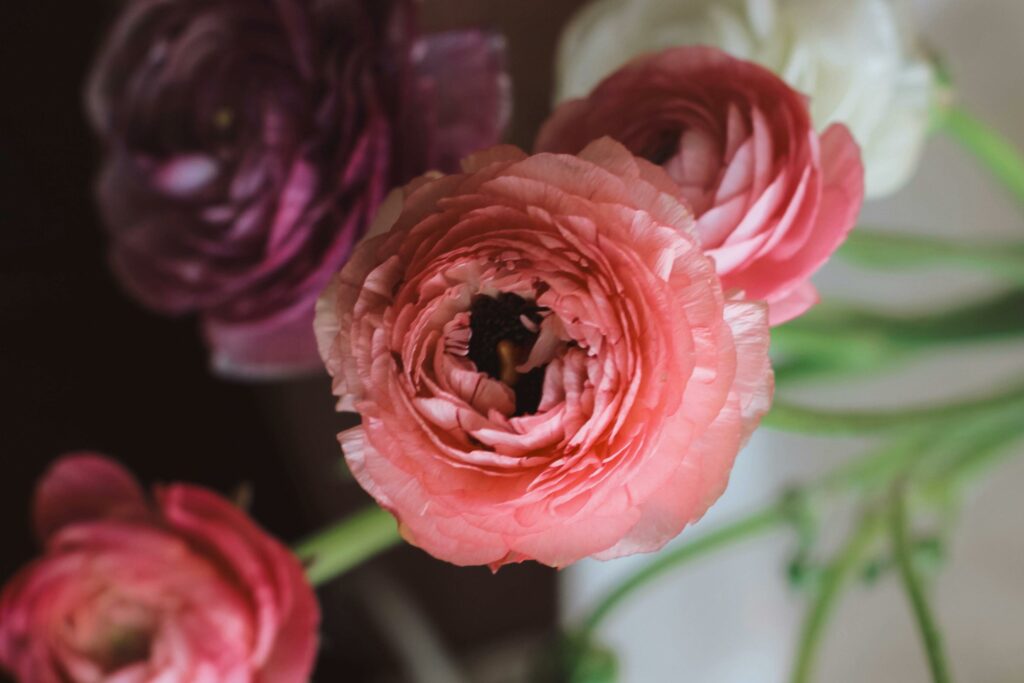

Understanding flower symbolism across cultures can help you avoid unintentional offense when giving gifts internationally. Here’s a comprehensive guide to flowers that carry negative meanings in various parts of the world.
East Asia
China
- White flowers (especially chrysanthemums and lilies): Strongly associated with death and funerals. White is the traditional color of mourning in Chinese culture, making white flowers inappropriate for celebrations, romantic gestures, or hospital visits.
- Yellow chrysanthemums: Symbolize mourning and are traditionally offered to the deceased. While chrysanthemums in other colors may be acceptable, yellow ones should be avoided entirely except at funerals.
- Clocks as floral arrangements or gifts: The phrase “giving a clock” (送钟, sòng zhōng) sounds identical to “attending a funeral” (送终, sòng zhōng) in Chinese, making this an extremely unlucky gift.
- Flowers in groups of four: The number four (四, sì) sounds like “death” (死, sǐ) in Chinese. Always avoid giving four flowers, and generally stick to lucky numbers like six, eight, or nine.
- Plum blossoms in some contexts: While beautiful, they can symbolize loneliness or the passing of time, making them inappropriate for joyful occasions.
- Pear blossoms: The word for pear (梨, lí) sounds like “separation” (离, lí), making them unsuitable for couples or close friends.
Japan
- White flowers: Linked to funerals and death ceremonies. White chrysanthemums, white lilies, and white lotus flowers are particularly associated with mourning.
- Lotus flowers: Strongly associated with Buddhist funerals and memorial services. While they represent purity, their funeral connection makes them inappropriate for other occasions.
- Camellias (Tsubaki): The way the entire flower head falls off the stem resembles a beheading, making them particularly unlucky for hospital visits or anyone facing challenges.
- Spider lilies (Higanbana/Red cluster amaryllis): These flowers bloom around the autumn equinox and are strongly connected to death, the afterlife, and saying goodbye to loved ones. They’re often planted near cemeteries.
- Potted plants for hospital visits: Symbolize that the illness will “take root” and the patient will have a prolonged stay. Cut flowers are preferred.
- Red flowers for romantic gestures: While red roses are increasingly accepted due to Western influence, traditionally red had strong passionate connotations that were considered too forward.
- Flowers with thorns: Can suggest pain or difficulty in relationships.
- Four or nine of anything: Four (shi) sounds like death, and nine (ku) sounds like suffering or agony.
Korea
- White flowers: Reserved exclusively for funerals and ancestral memorial services. Giving white flowers for any other occasion is considered deeply inappropriate.
- Yellow flowers: Can symbolize separation, goodbye, or the end of a relationship. They’re often associated with jealousy or infidelity.
- Flowers in sets of four: The number four is considered extremely unlucky as it sounds like death in Korean (sa).
- Chrysanthemums in certain colors: While not as strictly funeral-only as in other Asian countries, they should be given with caution and awareness of context.
- Lilies for non-wedding occasions: Often reserved for weddings and formal ceremonies; casual gifting might seem too formal or carry funeral connotations depending on color.
Vietnam
- White flowers: Associated with death and funerals, particularly white chrysanthemums and white lilies.
- Yellow flowers with white centers: Can symbolize mourning and death.
- Frangipani (Plumeria): While tropical and beautiful, these are often planted in cemeteries and associated with death.
Europe
France
- Chrysanthemums (any color): Only given at funerals or placed on graves, especially around All Saints’ Day (La Toussaint) on November 1st. Never give these for birthdays, anniversaries, or as hostess gifts.
- Red carnations: Symbolize bad will, misfortune, or negative intentions. They’re associated with bad luck and should be avoided.
- Yellow flowers: Can suggest infidelity, jealousy, or betrayal in romantic contexts. While sunflowers are generally acceptable, yellow roses should be given with caution.
- White carnations: Associated with bad luck and misfortune.
- Thirteen flowers: The number thirteen is considered unlucky; avoid bouquets with this count.
Italy
- Chrysanthemums: Exclusively funeral flowers in Italy. They’re prominently displayed on graves for All Saints’ Day and the Day of the Dead. Never bring them to dinner parties, celebrations, or as romantic gestures.
- Yellow flowers: Associated with jealousy, particularly in romantic contexts. Yellow roses can suggest infidelity or mistrust.
- Even numbers of flowers: Generally avoided except for a dozen roses. Odd numbers are preferred for gift-giving to living people.
- Purple flowers: Can be associated with funerals and mourning in some regions.
- Red and white flowers together: The combination suggests blood and bandages or can be seen as representing Italian funeral traditions.
Germany
- Red roses in professional settings: Considered too romantic for business relationships or casual acquaintances. They should be reserved for romantic partners only.
- White chrysanthemums and lilies: Strongly associated with funerals and mourning.
- Even numbers of stems: Associated with funerals and grief. Always give odd numbers to living people (except for 12, which is acceptable).
- Thirteen flowers: Unlucky number; avoid this count.
- Tightly wrapped or very formal arrangements: Can seem cold or overly ceremonial for casual occasions.
Russia
- Even numbers of flowers: Only given at funerals and memorial services. This is one of the most important rules in Russian flower etiquette. Always give odd numbers (1, 3, 5, 7, etc.) to living people.
- Yellow flowers: Traditionally symbolize separation, infidelity, deceit, or the end of a relationship. While attitudes are slowly changing among younger generations, many Russians still view yellow flowers negatively.
- Carnations, especially red ones, in non-memorial contexts: While red carnations are appropriate for Victory Day and memorial events, they can seem overly political or memorial-focused in casual settings.
United Kingdom
- White lilies: Strong funeral association, particularly for sympathy arrangements and memorial services.
- Red and white flowers together: Can symbolize blood and bandages, or represent mourning.
- Chrysanthemums: While not as strictly funeral-only as in continental Europe, they’re still associated with sympathy and should be avoided for celebrations.
- Overly large or showy arrangements: Can be seen as ostentatious or trying too hard in British culture, which values moderation.
Spain
- Chrysanthemums: Primarily associated with funerals and All Saints’ Day.
- Dahlias: In some regions, these are linked to Day of the Dead celebrations and mourning.
- Yellow flowers for romantic occasions: Can suggest jealousy or infidelity.
Greece
- White lilies: Funeral flowers associated with mourning.
- Carnations: Sometimes avoided due to associations with student protests and political movements.
- Very formal arrangements: May seem impersonal for casual social visits.
Middle East
Various Middle Eastern Countries
- Very vibrant or bright flowers in conservative settings: May be seen as inappropriate or too attention-seeking in traditional or religious contexts.
- Scented flowers in certain situations: Strong fragrances can be overwhelming in enclosed spaces or may be considered too sensual in conservative settings.
- Roses in excessive quantities to unmarried women: May send inappropriate romantic signals in conservative societies and could cause reputational concerns for the recipient.
- Red roses to unmarried women: In very conservative contexts, this might be seen as inappropriate or too romantically forward.
Saudi Arabia & Gulf States
- Flowers for men: In very traditional contexts, giving flowers to men may be seen as unusual or inappropriate, as flowers are typically given to women.
- Overly romantic arrangements: Should be avoided unless there’s an established romantic relationship, out of respect for cultural norms around gender interactions.
Iran
- Flowers without proper cultural context: While Iranians love flowers and have rich poetic traditions around them, understanding the recipient’s preferences and the specific occasion is crucial.
- Red roses in professional settings: Should be reserved for romantic contexts only.
Latin America
Mexico
- Marigolds (Cempasúchil/Tagetes): While beautiful and vibrant, these are strongly associated with Day of the Dead (Día de los Muertos) and funerals. They’re used to guide spirits home and are planted in cemeteries. Avoid giving them for birthdays or celebrations.
- White flowers: Often reserved for weddings, baptisms, and religious ceremonies. They can also carry funeral connotations depending on the type.
- Red flowers in some contexts: Can be too romantically suggestive, especially between people who aren’t in romantic relationships.
- Deep purple or black flowers: Associated with mourning and grief.
Brazil
- Purple flowers: Strongly associated with death and funerals. Purple is considered a mourning color in Brazilian culture.
- Yellow flowers in romantic contexts: Can symbolize disrespect, contempt, or infidelity when given romantically. However, they’re acceptable for friendship or platonic occasions.
- Black or very dark flowers: Associated with mourning and sadness.
Argentina
- Yellow flowers for romantic partners: Can suggest jealousy or indicate that the relationship is ending.
- Purple flowers: Often associated with mourning.
- Carnations in some contexts: May seem too common or informal for important occasions.
Colombia
- Marigolds: Associated with Day of the Dead and funerals.
- Lilies: Often used in funeral arrangements and should be avoided for happy occasions.
- Black or very dark purple flowers: Symbolize mourning and grief.
South Asia
India
- White flowers for celebrations: Generally associated with funerals and mourning, particularly white lilies, white chrysanthemums, and white roses.
- Frangipani (Plumeria): Often used in funeral rites and temple offerings to the deceased. While beautiful, they carry strong associations with death in Hindu culture.
- Excessive use of marigolds: While marigolds are auspicious for religious ceremonies like Diwali and weddings, using them for casual social visits might seem too ceremonial or religious.
- Red flowers to unmarried women in traditional settings: May be seen as too romantically forward in conservative families.
- Black or very dark purple flowers: Associated with negative energy and mourning.
- Oleander: Despite being common in India, the flowers are poisonous and symbolize caution or danger.
Pakistan
- White flowers: Often associated with funerals and mourning.
- Excessive fragrance in conservative settings: Strong-scented flowers might be considered too sensual in traditional contexts.
- Red roses to unmarried women: Should be avoided in traditional settings out of respect for cultural norms.
Bangladesh
- White flowers: Associated with mourning and funerals, particularly for Hindu communities.
- Frangipani: Connected to funeral rites and should be avoided for celebrations.
Southeast Asia
Thailand
- Marigolds for casual occasions: These are often used in Buddhist ceremonies and offerings, making them too formal for casual social visits.
- White carnations: Associated with funerals and mourning.
- Dok Mai Chan (Temple flowers): Reserved for religious offerings and ceremonies; inappropriate for personal gifts.
Philippines
- White flowers in excess: Can suggest mourning or be too formal, though they’re acceptable for weddings.
- Sampaguita for casual occasions: As the national flower and often used in religious garlands, it might be too formal for everyday gifting.
Singapore
- White flowers: Associated with funerals, particularly in Chinese communities.
- Four of anything: The number four is unlucky in Chinese culture.
- Yellow chrysanthemums: Connected to mourning and death.
Africa
South Africa
- White flowers in some contexts: Can be associated with mourning in certain communities, though this varies by cultural group.
- Proteas in funeral arrangements: While proteas are the national flower, their use in funerals means they should be given thoughtfully.
Egypt
- Yellow flowers in romantic contexts: Can symbolize jealousy or insincerity.
- Lotus flowers outside religious contexts: Sacred to ancient Egyptian culture and should be treated with respect.
North America
United States & Canada
- White lilies: Strongly associated with funerals, particularly Easter lilies and calla lilies for sympathy arrangements.
- Chrysanthemums: In many communities, especially among European immigrants, these are seen as funeral flowers.
- Red roses in professional settings: Too romantic for business or casual relationships.
- Carnations as primary flowers: Sometimes seen as cheap or low-effort, especially red carnations on certain occasions.
General Guidelines for International Flower Giving
Universal Safe Choices
- Pink roses: Symbolize friendship, appreciation, and admiration in most cultures.
- Orchids: Represent elegance, respect, and luxury almost universally.
- Sunflowers: Generally symbolize happiness, warmth, and positivity.
- Tulips: Carry various positive meanings and are widely accepted.
- Gerbera daisies: Represent cheerfulness and joy in most cultures.
- Peonies: Symbolize prosperity and good fortune in many Asian cultures and beauty in Western contexts.
- Irises: Generally represent wisdom and respect.
Universal Tips for Success
- Research local customs thoroughly before giving flowers internationally, as meanings can vary dramatically.
- Odd numbers are generally safer in most European and American contexts, but verify for specific cultures.
- Consult local florists in the destination country who understand both traditional and contemporary practices.
- Observe color meanings carefully as they vary significantly by culture—what’s joyful in one place may represent mourning in another.
- Consider the occasion carefully and match formality levels appropriately.
- When in doubt, go neutral with widely accepted flowers in gentle colors like pink, peach, or multi-colored arrangements.
- Ask about number significance: Different cultures have different lucky and unlucky numbers.
- Consider religious context: Be aware of whether flowers have religious significance that might make them inappropriate.
- Think about the relationship: Romantic flowers for professional relationships can create uncomfortable situations.
- Be aware of seasonal meanings: Some flowers are tied to specific holidays or seasons in certain cultures.
Important Questions to Consider Before Giving Flowers
- Is this flower associated with funerals or mourning in this culture?
- Does the color carry negative symbolism here?
- Is the number of stems appropriate for this culture?
- Is any romantic implication appropriate for this relationship?
- Are there religious considerations I should be aware of?
- What is the recipient’s personal cultural background (not just country)?
- Is this flower connected to any political or historical events in this region?
- Does the recipient have any personal preferences or allergies I should know about?
- Is the occasion formal or informal?
- What message am I trying to send, and will these flowers convey that message in this culture?
Context Matters Greatly
Remember that context, relationship, and intention matter significantly. A flower that’s inappropriate for one occasion may be perfect for another. Additionally:
- Urban vs. rural settings: Metropolitan areas often have more relaxed or Westernized attitudes toward flower symbolism.
- Generational differences: Younger generations may have different associations than traditional ones, especially in globalized cities.
- Personal relationships: Close friends who know your intentions may be more forgiving of cultural missteps.
- Multicultural individuals: People from diaspora communities may blend traditions from multiple cultures.
- Individual preferences: Personal taste can override cultural norms—some people simply love flowers that their culture traditionally avoids.
When Mistakes Happen
If you accidentally give inappropriate flowers:
- Apologize sincerely and explain you weren’t aware of the cultural meaning
- Express your genuine positive intentions
- Learn from the experience for future interactions
- Don’t be overly defensive or minimize the cultural significance
Modern Adaptations
Many cultures are experiencing shifts in flower symbolism due to:
- Globalization: Exposure to Western flower-giving customs through media and travel
- Commercialization: Flower shops promoting traditionally “negative” flowers for new purposes
- Younger generations: Often more flexible about traditional meanings
- Mixed-culture relationships: Creating new hybrid traditions
However, it’s always safer to respect traditional meanings, especially when giving flowers to older generations or in formal contexts.
Professional and Business Settings
When giving flowers in international business contexts:
- Err on the side of formality: Choose elegant, neutral arrangements
- Avoid romantic flowers: No red roses or overly passionate colors
- Research corporate culture: Some businesses prefer not to receive gifts at all
- Consider alternatives: In some cultures, potted plants or fruit baskets may be more appropriate
- Include a card: With a clear, professional message that explains your intentions
- Respect gender norms: In some cultures, giving flowers to business men may be unusual
Flowers are a beautiful way to express emotion and build connections across cultures, but they require cultural sensitivity and awareness. When giving flowers internationally, invest time in understanding local traditions, consult with local experts, and always approach the gesture with genuine respect and good intentions. A thoughtfully chosen bouquet that respects cultural meanings can create lasting positive impressions and strengthen international relationships.