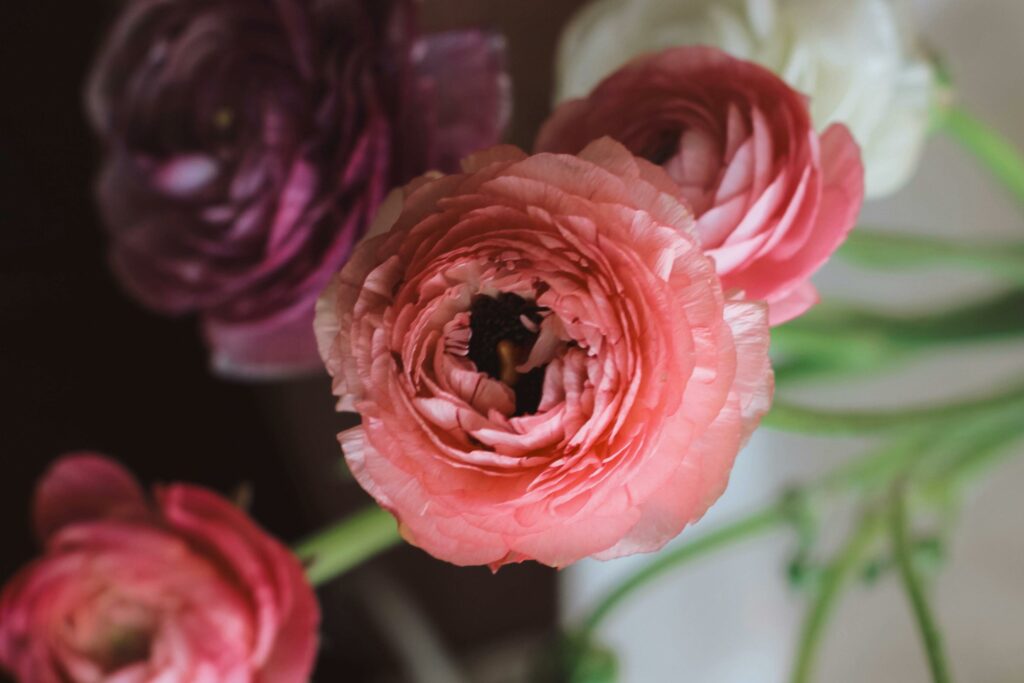

For generations, a small aircraft leaving Guernsey each weekday evening has carried more than letters and parcels. Packed into its hold have been boxes of freesias, alstroemeria and other blooms grown in the island’s glasshouses — flowers that reach breakfast tables and doorsteps across the UK the very next morning. On 3 July 2026, that plane made its final outbound flight, and with it went a piece of infrastructure the island’s flower-by-post industry has relied on for decades.
The end of an era
Guernsey Post confirmed earlier this year that the dedicated weekday mail plane to the UK would be withdrawn, citing rising supply chain costs and challenging market conditions. From the following Monday, all standard outbound mail — including the flower boxes that bulk mailers depend on — began travelling to the UK by sea instead of air.
This wasn’t a sudden shock so much as the final stage of a longer retreat. Royal Mail had already pulled its funding for half the cost of the service back in 2024, forcing Guernsey Post to charter its own aircraft (an ATR-72 flying several tonnes of mail a day to East Midlands Airport) just to keep outbound post moving by air while incoming mail switched to the overnight ferry. Guernsey held out longer than its neighbours: Jersey lost its mail plane in 2023, and the Isle of Man followed soon after. Now all three Crown Dependencies rely on sea freight.
Guernsey Post’s chief executive, Steve Sheridan, has framed the move as a necessary step toward a “reliable, well-managed and financially sustainable” postal service, and the company says it is working with commercial airline partners to preserve some form of next-day air option for urgent items.
Why flowers were riding on that plane
Guernsey’s flower trade is not a footnote to this story — it’s central to it. The island’s mild climate and generations of glasshouse expertise have made it one of the UK’s most significant sources of postal flowers, particularly freesias, which have become so associated with the island that they’re sold under the “Guernsey Freesias” name across Britain. Businesses such as Classic Flowers (formerly known for its three acres of glasshouse cultivation) and other growers built entire operations around a simple promise: order today, delivered fresh tomorrow.
That promise depended entirely on speed. Cut flowers are perishable, and the difference between a one-day and a three-day journey to the customer’s door can be the difference between a bouquet that lasts a week and one that arrives wilted. The mail plane’s tight, dependable schedule — post collected by mid-afternoon, in the air by evening, into the UK sorting network overnight — was the backbone that made “flowers by post” a viable business model from an island in the Channel.
A trade under pressure
Industry figures have been candid about what’s at stake. Growers who invested heavily in new websites, marketing and expanded production to grow their mail-order businesses have warned that losing guaranteed air freight threatens to undercut those investments overnight. The core anxiety isn’t abstract: an extra day in transit, however “minimal” the practical difference Guernsey Post insists it will be, is not a small matter for a product that starts dying the moment it’s cut.
Bulk mail customers more broadly — including greetings card firms like Moonpig and Funky Pigeon, which run fulfilment operations from the island — have said they intend to keep operating from Guernsey and have been working with Guernsey Post to adapt their logistics to a sea-based model. But flowers face a sharper version of the same problem that heavier, non-perishable goods can absorb more easily: time is the product.
Guernsey Post has pointed out that incoming mail has already been arriving by sea for some time without major disruption, and that the same boat network — the overnight Condor Islander ferry — will now simply carry outbound post too. The company has also promised new, more competitively priced parcel options, funded by the savings from no longer chartering a dedicated aircraft, and says it is actively pursuing arrangements with commercial airlines to keep some form of expedited service alive for time-critical items.
What comes next
Whether Guernsey’s flower growers can adapt to a sea-first model — or whether the shift proves to be the beginning of a longer decline for an industry built on next-day delivery — will likely become clear only over the coming flowering seasons. For now, the island’s florists and growers find themselves in a familiar but uncomfortable position: watching a piece of national infrastructure disappear, and hoping that ingenuity, new logistics partnerships, and Guernsey Post’s promised alternatives can keep a fragile, fragrant export alive without the plane that carried it for so long.
What is certain is symbolic as much as practical: for an island whose unofficial floral emblem, the Guernsey Lily, has nothing to do with its actual freesia trade, the last mail plane’s departure marks the end of a very literal lifeline between glasshouse and doorstep.