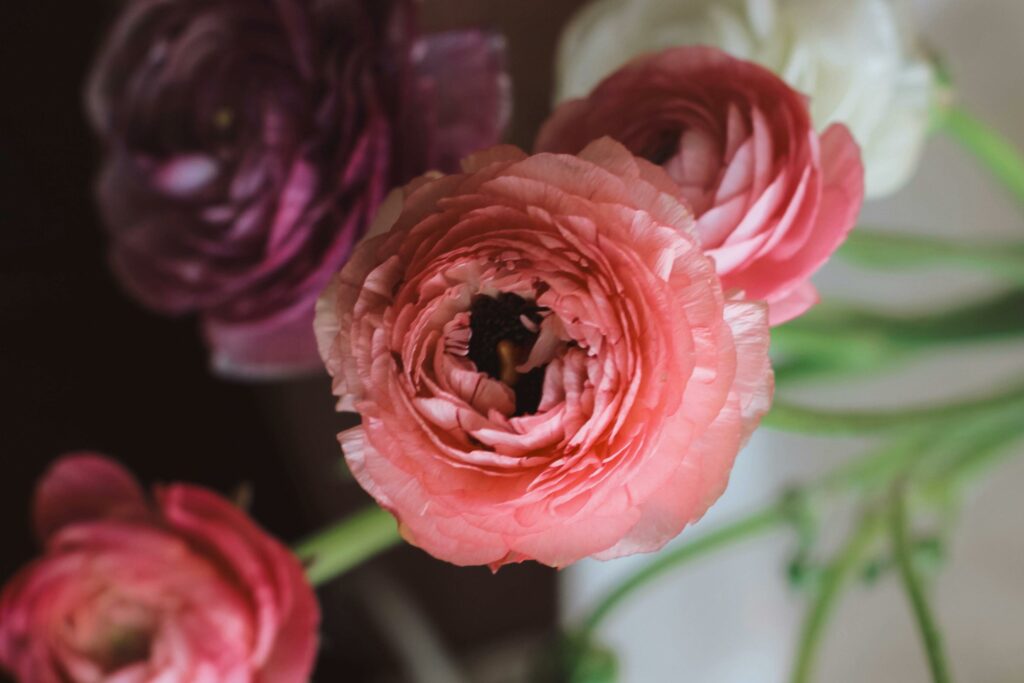

Once a simple expression of gratitude, Mother’s Day has grown into a worldwide celebration of the women who nurture, protect, and shape the lives of others. From ancient rites of fertility to modern card exchanges and floral tributes, Mother’s Day embodies humanity’s enduring respect for maternal love. Across cultures, flowers, gifts, and rituals have symbolized appreciation, care, and the profound emotional bond between mothers and children.
Ancient Roots: Festivals of Mother Goddesses
The concept of honoring mothers and maternal figures is far from modern invention. Across the ancient world, festivals celebrated goddesses associated with fertility, childbirth, and protection:
- Ancient Greece: Festivals in honor of Rhea, the mother of the Olympian gods, recognized the maternal force behind creation. Offerings included flowers, cakes, and libations.
- Ancient Rome: The Matronalia, celebrated in March, honored Juno, goddess of childbirth and women. Married women received gifts and prayers, while men showed gratitude to their mothers with tokens and feasts.
- Egypt and Mesopotamia: Mother goddesses such as Isis and Ninhursag were revered, with offerings of flowers, fruit, and ceremonial food reflecting the sacredness of motherhood and fertility.
These early observances recognized the mother not just as a familial figure, but as a symbol of life, sustenance, and continuity.
The Evolution of Modern Mother’s Day
Modern Mother’s Day has a complex history rooted in 19th- and 20th-century social movements. In the United States, Ann Reeves Jarvis organized “Mother’s Work Days” in the 1850s to improve health and community welfare. Later, Anna Jarvis, her daughter, campaigned tirelessly for a formal day to honor mothers personally and universally, leading to the official recognition of Mother’s Day in 1914.
The holiday spread rapidly around the world, often adapted to local culture. While initially a personal, sentimental observance—children sending letters, poems, and flowers—the holiday evolved into a commercialized celebration, with cards, chocolates, and elaborate gifts reflecting affection.
Symbols of Mother’s Day
Mother’s Day is rich in symbolic imagery, each element conveying meaning:
- Carnations: Anna Jarvis chose carnations as the official flower of Mother’s Day, with red symbolizing love and admiration, and white honoring deceased mothers.
- Roses: Beyond carnations, roses are widely used to express gratitude and enduring love. Pink roses often represent appreciation, while yellow roses can signify friendship and joy.
- Cards and Letters: Handwritten messages remain a powerful tradition, transforming thoughts and feelings into tangible tokens of affection.
- Gifts and Tokens: From breakfast in bed to jewelry and keepsakes, gifts express personal devotion and acknowledgment of maternal care.
Flowers, particularly, act as living metaphors: nurturing, blooming, and beautiful, reflecting the qualities of mothers themselves.
Global Celebrations of Motherhood
Mother’s Day is celebrated at different times and with distinct customs around the world:
- United States and Canada: The second Sunday in May is devoted to mothers, often marked by floral tributes, breakfast in bed, and family gatherings.
- United Kingdom: Mothering Sunday, celebrated in March, originated as a church tradition for visiting one’s “mother church,” later evolving into a day honoring mothers with cards and small gifts.
- Japan: On the second Sunday in May, children give carnations, handmade crafts, and gifts to express gratitude to their mothers.
- Mexico: Celebrated on May 10, Día de las Madres involves music, flowers, and family feasts, highlighting both personal and communal respect for mothers.
- Ethiopia: Antrosht is a multi-day festival in the fall celebrating mothers, with special meals, songs, and family gatherings.
Despite differing dates and customs, the universal theme is love, gratitude, and the acknowledgment of maternal sacrifice and guidance.
The Psychology and Social Significance
Mother’s Day serves as both a social and psychological ritual. Symbolic acts—sending flowers, preparing meals, giving gifts—communicate deep emotional truths, strengthening familial bonds and intergenerational connection. Observances also provide societal recognition of caregiving labor, often invisible but central to family and community well-being.
In many cultures, the holiday reinforces the moral and emotional framework of society, celebrating empathy, nurturance, and responsibility through ritualized acts of acknowledgment.
The Evolution of Maternal Symbolism
From ancient fertility goddesses to modern mothers, the symbolic role of motherhood has evolved but retains core motifs:
- Nurturance: Flowers, gifts, and food reflect the sustenance mothers provide.
- Protection: Ceremonial rituals honor mothers as guardians of family and life.
- Continuity: Observances emphasize lineage, family cohesion, and societal stability.
- Love and Sacrifice: Emotional expressions—cards, poetry, or personal attention—celebrate the selflessness inherent in maternal roles.
Mother’s Day, therefore, is not only a celebration of women as individuals, but a recognition of motherhood as a universal, foundational human experience.
A Living Tribute
In carnations, roses, handwritten notes, and familial rituals, Mother’s Day embodies an enduring human story. It celebrates the profound bond between mother and child, the nurturing and protective force mothers provide, and the love that transcends generations. From ancient temples to modern homes, the holiday transforms everyday gestures into symbolic acts, honoring the women whose care shapes lives, sustains societies, and nurtures the human spirit.
Mother’s Day is more than a calendar date—it is an annual homage to one of humanity’s most universal and cherished relationships: the love of a mother.