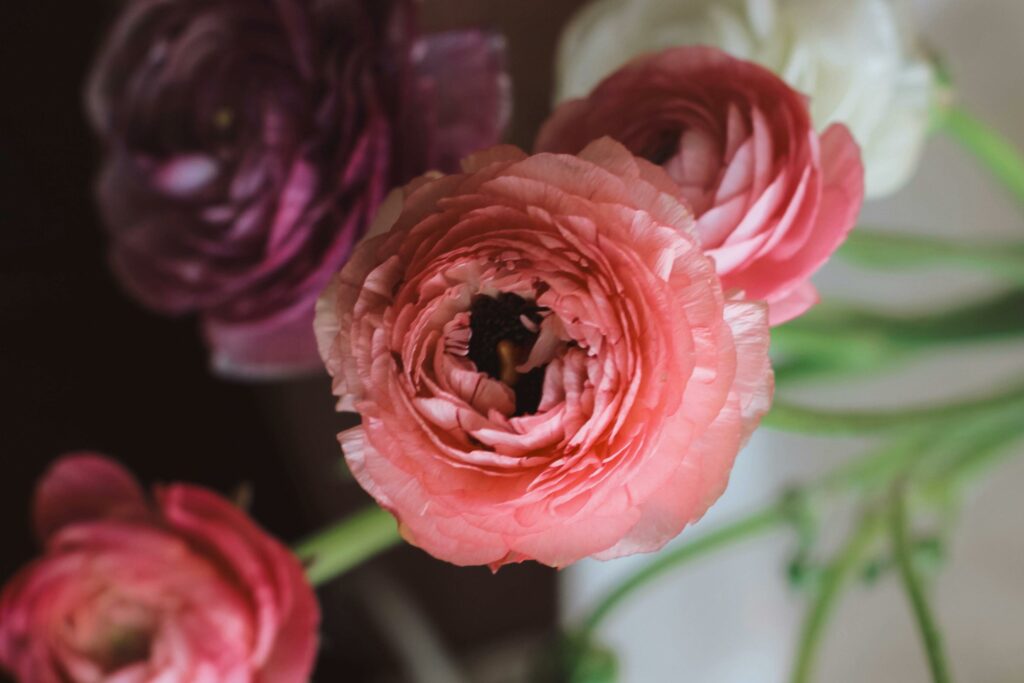

Dawn in the Flower Fields
The sun is barely above the Andean peaks, but the flower fields are already alive. Scarlet tulips catch the first light, their petals glistening with dew. Workers move carefully between the rows, their hands trained to harvest without bruising the delicate blooms. Maria, a local farm manager, lifts a bouquet of daisies, inhaling the crisp scent of the morning air. “Every flower we grow carries the story of our community,” she says. “Not just beauty, but respect—for the land, and for the people who work it.”
This is the essence of Fair Trade flower farming: an enterprise where ethics, ecology, and artistry meet in vibrant harmony. Beyond the bouquets that adorn tables worldwide lies a movement committed to fairness, sustainability, and dignity.
Seeds of Change: The Roots of Fair Trade
The global flower industry is vast, spanning continents and cultures. But behind imported roses and lilies lurk environmental and social concerns: low wages, unsafe working conditions, pesticide overuse, and carbon-intensive transport. Fair Trade certification emerged as a response—a promise that flowers can be cultivated responsibly.
Fair Trade ensures that workers earn fair wages, have safe workplaces, and participate in decision-making. Farms must minimize chemical use, conserve water, protect biodiversity, and invest in community development projects, from schools to clinics. A stem labeled “Fair Trade” is more than a product; it is a living connection between the consumer and the people and ecosystems that produced it.
The Living Farm: Ecology in Action
At a Fair Trade farm near Bogotá, Colombia, the fields are alive with more than flowers. Native trees and shrubs border the plots, offering shelter to birds and insects that pollinate the blooms. Hummingbirds dart between petals, and butterflies flit over chrysanthemums. The farm is a carefully managed ecosystem: crop rotation maintains soil fertility, and companion planting reduces pests naturally.
“We never want to fight nature,” explains Juan, an agronomist working with local flower growers. “Our goal is to collaborate with it.” Drip irrigation systems deliver precise amounts of water, reducing waste while preserving rivers downstream. Shade nets protect fragile blooms from harsh sun, and composted plant material returns nutrients to the soil. Every choice balances productivity with ecological responsibility.
Hands That Harvest: The Human Story
Labor is the heartbeat of Fair Trade flowers. In many flower-growing regions, women make up the majority of workers. They prune, tie, and package blooms under strict safety protocols, using ergonomic tools and protective clothing. Fair Trade certification guarantees wages above local minimums, access to healthcare, childcare, and training programs.
Maria, who has worked on her family’s flower farm for over a decade, recalls the difference Fair Trade has made. “Before, many women had no voice in the workplace. Now, we have committees, training, and fair pay. Our children can go to school instead of helping full-time in the fields. It changes everything.”
Communities thrive when workers are empowered. Investments from Fair Trade premiums fund education, clean water projects, and small local infrastructure—proof that ethical commerce can ripple outward, supporting human development as much as flora.
From Field to Vase: The Global Journey
Once harvested, flowers are carefully prepared for shipment. Temperature-controlled storage ensures freshness, while packaging is biodegradable or recyclable wherever possible. Traceability systems let consumers see exactly where a bouquet originated, connecting tables in New York, Tokyo, or London back to a highland farm in Colombia or Ecuador.
Fair Trade doesn’t just improve conditions on the farm—it transforms consumer choices. Every purchase of a certified bouquet supports labor rights, environmental care, and community development. The simple act of placing a bouquet on a dining table becomes an ethical statement: a commitment to fairness and sustainability.
Challenges and Triumphs
No ethical flower farm is immune to the pressures of climate change, global markets, or economic instability. Unpredictable rainfall, heat waves, and pest outbreaks demand innovation. Many farms have adopted solar energy, rainwater collection, and organic fertilizers to offset these challenges.
Yet the rewards go beyond profits. Children attend school, rivers remain clean, and native species flourish alongside cultivated blooms. Workers gain respect, agency, and security. The beauty of the flowers mirrors the health of the ecosystem and the well-being of the community.
The Future of Fair Trade Flowers
The movement toward ethical flowers is gaining momentum. Dried flower arrangements, perennial blooms, and plantable seed cards extend the lifespan of each flower, reducing waste. Local small-scale growers are increasingly connected to global markets through Fair Trade networks, empowering them to maintain environmentally conscious and socially responsible practices.
Fair Trade flowers remind us that beauty does not have to come at a cost. Each bloom, whether a rose, carnation, or tulip, carries the story of the people and landscapes that nurtured it. Ethical flowers are not just decorative—they are transformative, offering a way to merge aesthetics with social justice and environmental stewardship.