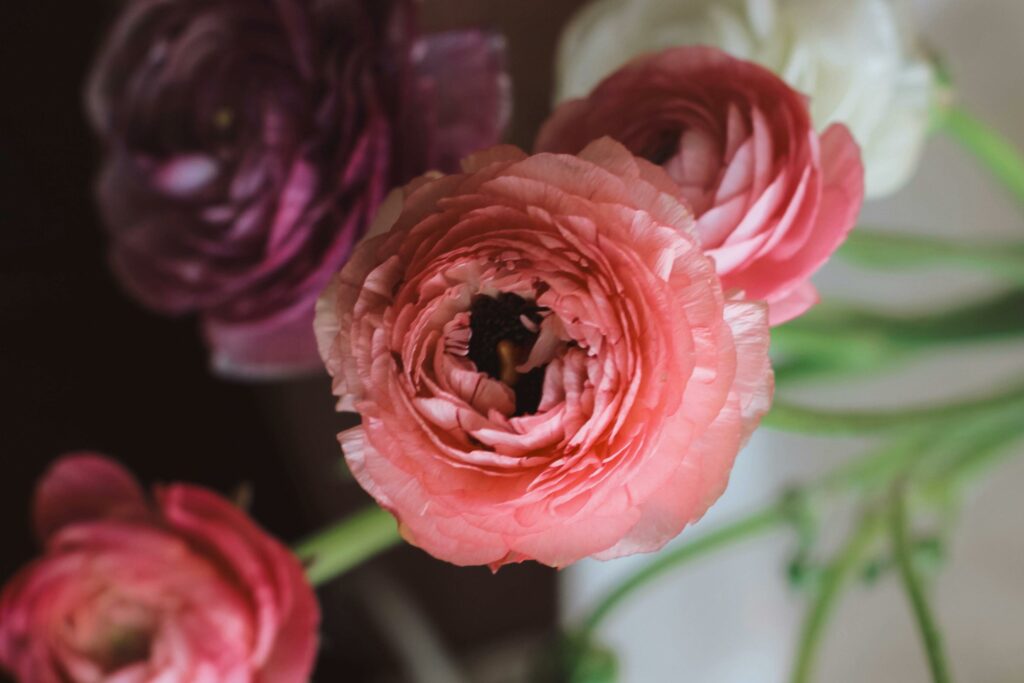

Floristry is an art form that combines beauty, creativity, and a deep connection to nature. For many, flowers are more than decoration—they are symbols of emotion, celebration, and life itself. But behind the vase, bouquets, and arrangements lies a growing awareness of the environmental and social footprint of the floral industry. Ethical floristry is about creating stunning designs while respecting the planet, the people who cultivate the flowers, and the ecosystems from which they come. It is a movement that celebrates not only aesthetics but also responsibility.
Understanding Ethical Floristry
At its heart, ethical floristry is about intentionality. Every decision—from sourcing stems to disposal—reflects a commitment to sustainability and fairness. Traditional floristry often relies on imported flowers flown in from distant countries, grown in chemical-intensive greenhouses, or harvested in ways that exploit laborers or harm ecosystems. Ethical floristry seeks alternatives that minimize harm: locally grown blooms, seasonal varieties, organically cultivated flowers, and arrangements that reduce waste.
Ethical floristry also considers the lifecycle of the flowers. Beyond sourcing, this includes how long they last, how they are transported, and how they are disposed of once they wilt. By considering the full ecological and social footprint, florists can create beauty without compromising the well-being of the planet or workers.
Sourcing Flowers Responsibly
Sourcing is the foundation of ethical floristry. The first principle is to prioritize local and seasonal flowers. Flowers grown nearby reduce carbon emissions from long-distance transport and are often fresher, longer-lasting, and more vibrant. Seasonal flowers are naturally adapted to their environment, requiring fewer artificial inputs like heating, pesticides, or excessive water.
When local sourcing isn’t possible, ethical florists look for certified sustainable flowers. Organizations such as Fairtrade, Rainforest Alliance, or Florverde ensure that flowers are grown with environmentally conscious practices and fair labor conditions. This means safer working conditions, fair wages, and restrictions on harmful chemical use. Florists committed to ethics often build direct relationships with growers, bypassing exploitative supply chains and ensuring transparency from field to vase.
Additionally, ethical florists consider native and wild-harvested flowers, but with caution. Wildflowers can support biodiversity if harvested sustainably and with proper permits, but overharvesting can devastate ecosystems. Understanding local ecology and sourcing responsibly ensures that even wild blooms are a part of restoration rather than destruction.
Designing with Sustainability in Mind
Ethical floristry extends beyond sourcing; it influences design choices and practices in the studio. For example, minimizing floral foam—a common but environmentally damaging material—is a significant step. Traditional floral foam is non-biodegradable, made from petroleum, and releases microplastics when discarded. Ethical alternatives include reusable chicken wire structures, biodegradable foam, moss, or simple vase arrangements that rely on water and careful flower placement.
Florists can also embrace zero-waste design principles. This involves using every part of the plant creatively: stems for structure, leaves for filler, and petals for confetti or potpourri. Leftover materials can be composted, turned into natural dyes, or used in floral workshops. By seeing every part of the flower as valuable, florists reduce waste while expanding creative possibilities.
Another key consideration is flower longevity. Selecting varieties that last longer in water or designing arrangements that can be rehydrated or replanted ensures that the beauty of the bouquet extends beyond the initial event. Pairing flowers with greenery that is more durable or combining fresh and dried elements can dramatically reduce the frequency of replacements, lowering the overall environmental impact.
Supporting Ethical Labor Practices
The floral industry is labor-intensive, and ethical floristry must account for the human cost. Many commercially grown flowers, particularly in large export markets, rely on low-paid, seasonal laborers who work under challenging conditions. Ethical florists actively seek suppliers who adhere to fair labor practices, ensuring that everyone from growers to packers is treated with respect and fairness.
Beyond sourcing, ethical florists can advocate for local flower artisans, apprentices, and small-scale growers. By promoting community-based networks, florists can create economic opportunities that benefit people rather than exploit them, supporting local economies while maintaining high-quality, responsibly grown flowers.
Eco-Friendly Studio Practices
Ethical floristry also encompasses the operational side of a flower studio. Water is precious, and flowers require it, but excessive waste is avoidable. Studios can collect runoff water for reuse, compost plant trimmings, and repurpose containers and wrapping materials. Packaging should prioritize biodegradable or recyclable materials—kraft paper, cardboard boxes, and compostable wraps instead of single-use plastics.
Energy use in studios can be reduced by avoiding heated greenhouses for off-season blooms and embracing natural light whenever possible. Florists can also educate clients about sustainability, suggesting seasonal choices, reusable vases, and composting wilted flowers instead of discarding them. These practices extend ethical principles beyond the studio, influencing customer behavior and promoting broader environmental awareness.
Educational and Community Engagement
Ethical florists often go further, using their platforms to educate and inspire. Workshops on floral arranging can emphasize sustainability, teaching participants how to care for flowers longer, compost trimmings, and select local and seasonal blooms. Collaborations with schools, community gardens, and botanical programs foster appreciation for both floral beauty and environmental responsibility.
By storytelling—highlighting where flowers come from, how they are grown, and who cultivates them—florists connect clients emotionally with their purchases. This cultivates a culture of mindfulness around flowers and encourages consumers to make choices that prioritize ethics alongside aesthetics.
The Future of Ethical Floristry
The movement toward ethical floristry is gaining momentum. More florists are embracing perennial and edible flowers, growing their own blooms in small-scale, pesticide-free gardens, or collaborating with local farms. Innovative approaches such as dried flower arrangements, preserved blooms, and plantable seed cards are reducing waste and extending the joy of floral design.
As consumers become more conscious of climate change, labor practices, and ecological impact, florists have the opportunity to lead a shift in the industry. Ethical floristry is not just a trend; it is a responsibility and a creative challenge—one that pushes designers to innovate, source consciously, and celebrate the beauty of flowers in harmony with the planet.
Ethical floristry is an art of mindfulness, creativity, and stewardship. It requires thoughtful sourcing, sustainable design practices, respect for labor, and community engagement. Every bouquet can tell a story—not just of beauty, but of care for the environment and the people who make that beauty possible. By choosing ethical floristry, designers and consumers alike participate in a cycle of creativity that honors nature, uplifts communities, and ensures that flowers continue to inspire for generations to come.