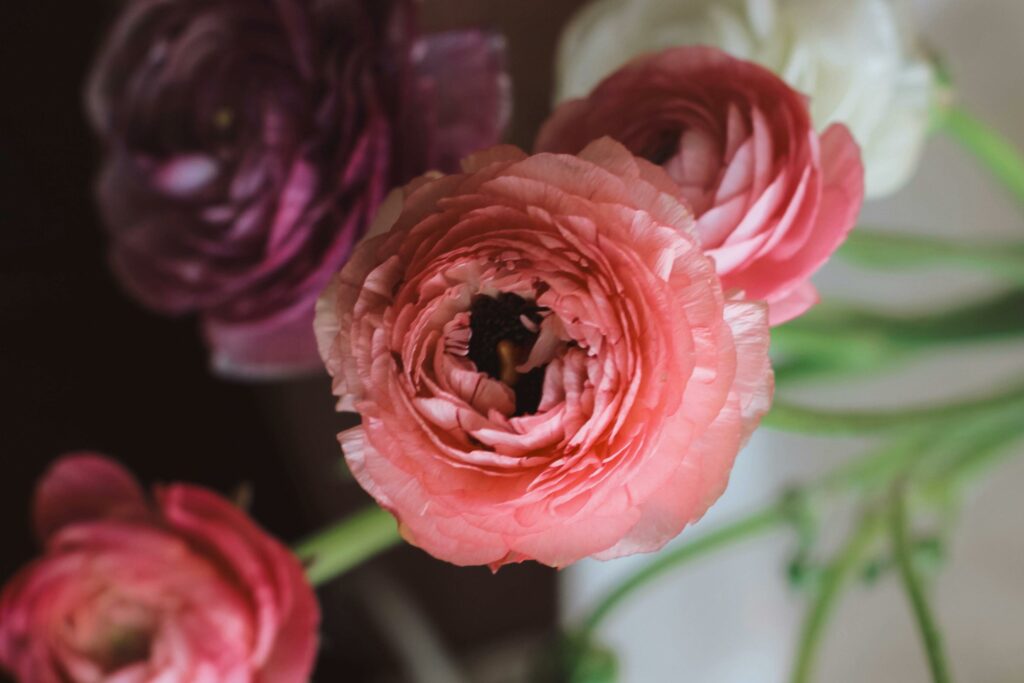

Foraging for wild flowers connects us to nature and local ecosystems in profound ways. However, responsible foraging requires knowledge, respect for the environment, and awareness of local regulations. This guide explores wildflower foraging across different regions, emphasizing sustainable practices.
Essential Principles Before You Begin
Legal Considerations: Always verify local laws before foraging. Many countries protect native wildflowers, and picking them can result in fines. National parks, nature reserves, and private property typically prohibit foraging entirely.
Ethical Foraging: Take only what you need, never more than 10% from any population, and avoid rare or threatened species. Leave roots intact and use clean, sharp scissors or pruners.
Identification: Never pick flowers you cannot positively identify. Some plants are toxic, protected, or essential to local pollinators.
Regional Foraging Guides
North America (United States & Canada)
Best Seasons: Spring through early fall, varying by latitude
Commonly Forageable Species:
- Black-eyed Susans (Rudbeckia) – abundant in fields and roadsides
- Queen Anne’s Lace (Daucus carota) – found in disturbed areas
- Common Yarrow (Achillea millefolium) – widespread in meadows
- Goldenrod (Solidago) – late summer/fall bloomer
Regional Notes: The United States has strict regulations about picking flowers on federal lands. Most wildflower picking is prohibited in national parks. However, many states allow limited picking on state lands or along public roadsides. Canada similarly restricts picking in provincial and national parks. Focus on naturalized non-native species in disturbed areas, vacant lots, or with landowner permission on private property.
Best Regions: Pacific Northwest meadows (with permits), Midwestern prairies (private land), and Northeastern roadsides (common species only).
United Kingdom & Ireland
Best Seasons: April through September, peak in June-July
Commonly Forageable Species:
- Cow Parsley (Anthriscus sylvestris) – hedgerows in spring
- Red Campion (Silene dioica) – woodland edges
- Meadow Buttercup (Ranunculus acris) – grasslands
- Common Poppy (Papaver rhoeas) – field margins
Regional Notes: Under the Wildlife and Countryside Act 1981, it’s illegal to uproot any wild plant without landowner permission, and certain species are completely protected. In practice, picking the aerial parts (stems and flowers) of common species in small quantities for personal use is generally acceptable on common land or roadsides, but never in nature reserves. Ireland has similar protections under the Wildlife Act. Always obtain landowner permission for private land.
Best Regions: English countryside hedgerows, Scottish lowland meadows, Irish rural roadsides (avoiding protected areas).
Scandinavia (Sweden, Norway, Finland)
Best Seasons: Late May through August (short but intense growing season)
Commonly Forageable Species:
- Lupines (Lupinus) – roadsides and fields
- Cow Parsley (Anthriscus sylvestris) – abundant everywhere
- Meadowsweet (Filipendula ulmaria) – wetland edges
- Common Daisy (Bellis perennis) – lawns and meadows
Regional Notes: Scandinavia’s “Right of Public Access” (Allemansrätten in Sweden, similar rights in Norway and Finland) allows people to roam freely in nature and pick wild flowers and berries for personal use, even on private land. However, you must not damage vegetation, disturb wildlife, or take protected species. This is one of the most forager-friendly regions globally, though ethical harvesting principles still apply.
Best Regions: Swedish countryside, Norwegian coastal meadows, Finnish lakeside areas.
Central Europe (Germany, France, Switzerland, Austria)
Best Seasons: April through September
Commonly Forageable Species:
- Cornflower (Centaurea cyanus) – field margins
- Wild Chamomile (Matricaria chamomilla) – disturbed ground
- Common Mallow (Malva sylvestris) – roadsides
- Common Tansy (Tanacetum vulgare) – meadows
Regional Notes: Regulations vary significantly by country and even by region. Germany generally allows picking wildflowers for personal bouquets in small quantities, but protected species and nature reserves are off-limits. France has similar regional variations, with stricter rules in protected areas. Switzerland and Austria protect alpine flowers heavily. Always research local regulations before foraging in these countries.
Best Regions: German countryside (away from protected areas), French rural regions, Swiss lowlands (not alpine areas).
Australia
Best Seasons: Spring (September-November) varies by region
Commonly Forageable Species:
- Many native species are protected; focus on introduced species:
- Wild Mustard (Brassica) – fields and roadsides
- Paterson’s Curse (Echium plantagineum) – widespread weed
- Capeweed (Arctotheca calendula) – lawns and disturbed areas
Regional Notes: Australia has strict protections for native flora, with many species completely protected under state and federal law. Picking native wildflowers is illegal in most areas without permits. However, many introduced species considered weeds can be foraged. Always check state-specific regulations, as they vary considerably. Focus on agricultural weeds and introduced species rather than native wildflowers.
Best Regions: Rural Victoria and New South Wales for introduced species (with landowner permission).
New Zealand
Best Seasons: Spring to summer (October-February)
Commonly Forageable Species:
- Focus on introduced species, as natives are often protected:
- Wild Lupins (Lupinus) – controversial introduced species
- Queen Anne’s Lace (Daucus carota) – roadsides
- Himalayan Honeysuckle (Leycesteria formosa) – garden escapee
Regional Notes: New Zealand protects its native flora strongly. The majority of native species cannot be picked without permission. However, some introduced species (particularly those considered invasive) can be foraged. Conservation land, national parks, and reserves prohibit all picking. Private land requires permission.
Mediterranean Region (Spain, Italy, Greece)
Best Seasons: Spring (March-May) before summer heat
Commonly Forageable Species:
- Wild Fennel (Foeniculum vulgare) – roadsides
- Borage (Borago officinalis) – disturbed ground
- Common Mallow (Malva sylvestris) – widespread
- Wild Chamomile (Matricaria chamomilla) – fields
Regional Notes: Mediterranean countries generally have local regulations that vary by region. Many areas allow personal collection of common wildflowers, but protected species and nature reserves are off-limits. Rural traditions of gathering wild plants remain strong, but always respect private property and protected areas.
Japan
Best Seasons: Spring (March-May) and autumn (September-October)
Commonly Forageable Species:
- While many native flowers are culturally significant and protected:
- Common Dandelion (Taraxacum) – parks and fields
- White Clover (Trifolium repens) – lawns
- Field Horsetail (Equisetum arvense) – wetlands
Regional Notes: Japan has strong cultural respect for nature and many wildflowers hold symbolic meaning. National parks and protected areas strictly prohibit picking. Private land requires permission. The practice of gathering wild plants (sansai) exists, but typically focuses on edible greens rather than flowers. Exercise extreme caution and cultural sensitivity when foraging in Japan.
Practical Foraging Tips
Timing: Harvest in the morning after dew has dried but before midday heat.
Tools: Bring sharp scissors or pruners, a basket or bucket with water, and identification guides or apps.
Technique: Cut stems cleanly at an angle, immediately place in water, and keep cool during transport.
Arrangement: Combine textures and heights. Include foliage, focal flowers, and filler species for balanced bouquets.
Conditioning: Recut stems at home and let flowers rest in cool water for several hours before arranging.
Conservation Mindset
The most important principle is leaving ecosystems healthier than you found them. Focus on abundant species in disturbed habitats rather than pristine wildflower meadows. Consider growing your own wildflower garden with native species suited to your region, which provides foraging opportunities without impacting wild populations.
Remember that what seems abundant today may be declining. Many common wildflowers have decreased dramatically due to habitat loss and over-collection. Forage with humility, take only what you need, and prioritize preservation over possession.
When in doubt, take photographs instead of flowers—they last longer and leave the beauty for others to enjoy.