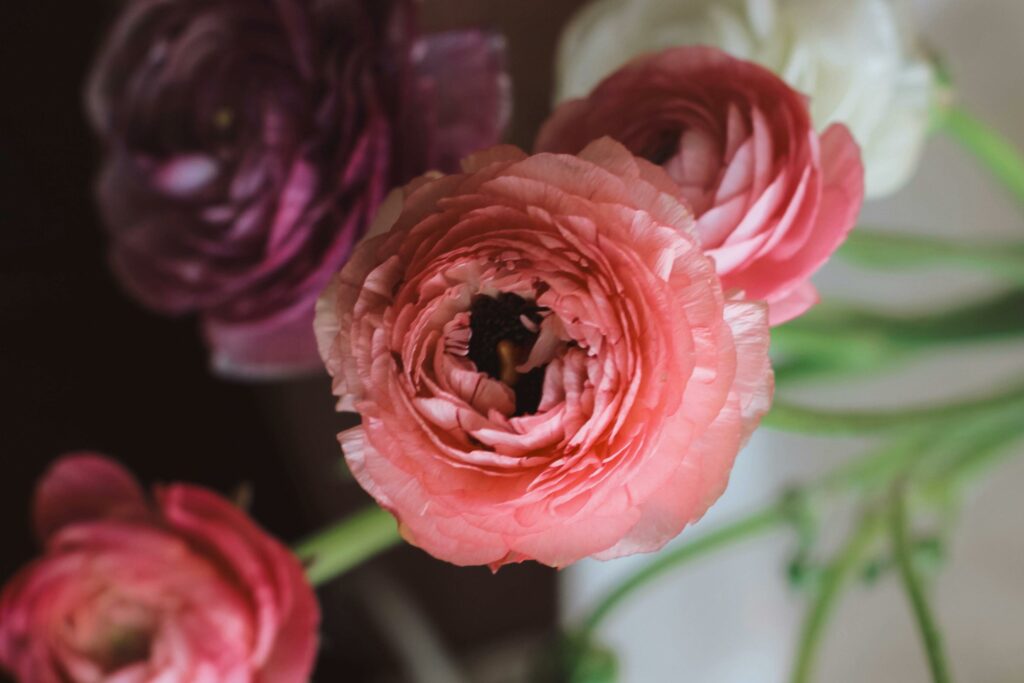

A successful floral brief sets the foundation for beautiful wedding flowers that match your vision and budget. Here’s how to prepare for and conduct an effective consultation with your florist.
Before Your Consultation
Gather Visual Inspiration
Collect images of floral arrangements, color palettes, and styles that appeal to you. Pinterest boards, Instagram saves, or magazine clippings work well. Include examples of what you don’t like too—this helps your florist understand boundaries.
Know Your Basics
Come prepared with essential details: your wedding date, venue locations (ceremony and reception), approximate guest count, and a realistic budget range. Florists need this information to assess availability and feasibility.
Understand Your Venue
Take photos of your ceremony and reception spaces, noting existing décor, color schemes, and any restrictions. Some venues have exclusive florist arrangements or prohibit certain installations like hanging elements.
Key Information to Share
Your Wedding Style and Vision
Describe the overall aesthetic you’re creating. Is it romantic and garden-inspired? Modern and minimalist? Rustic and organic? Share adjectives that capture the mood: elegant, whimsical, dramatic, intimate, bohemian.
Color Palette
Be specific about colors, including bridesmaid dress shades and any colors you want to avoid. Bring fabric swatches if possible. Remember that flowers photograph differently than they appear in person.
Floral Preferences
Mention specific flowers you love or want included, but stay open to seasonal alternatives. Tell your florist about any flowers you dislike or have allergies to. Discuss whether you prefer loose, organic arrangements or structured, formal designs.
Budget Parameters
Be honest and upfront about your budget. A good florist will work within your constraints and suggest where to allocate funds for maximum impact. Typical expenses include bridal bouquet, bridesmaids’ bouquets, boutonnieres, corsages, ceremony arrangements, centerpieces, and additional décor.
Specific Details to Discuss
Bridal Party Flowers
Clarify how many bouquets, boutonnieres, and corsages you need. Describe your dress style and fabric, as this influences bouquet design. Mention if you want the bridesmaids’ bouquets to match yours or be complementary variations.
Ceremony Flowers
Discuss focal points like the altar, aisle, entrance, or arch. Will you be at a religious venue with specific requirements? Do you want pew markers or aisle arrangements? Consider whether ceremony flowers can be repurposed at the reception.
Reception Florals
Specify the number and shape of tables (round, rectangular, combination). Discuss centerpiece heights—tall arrangements create drama but can obstruct conversation. Don’t forget about the cake table, escort card display, bar, restrooms, and any lounge areas.
Timeline Considerations
Explain your wedding day schedule, including setup and breakdown times. If you’re doing a first look or leaving for photos between ceremony and reception, coordinate timing for bouquet delivery. Discuss flower preservation if you want to keep your bouquet afterward.
Important Questions to Ask
Ask about their design process: will you see mockups or samples before the wedding? Clarify what’s included in their service—delivery, setup, breakdown, rental items like vases or stands. Understand their cancellation and refund policies.
Request references or ask to see photos of weddings they’ve done at your venue. Inquire about their backup plan if certain flowers aren’t available due to weather or supply issues.
Discuss logistics: how early will they arrive for setup? Who will be your point of contact on the wedding day? What happens to the flowers after the event—can guests take centerpieces?
After Your Consultation
A professional florist should provide a detailed proposal including itemized costs, flower varieties (when possible), and design descriptions. Review this carefully and ask for clarification on anything unclear.
Be prepared for some flexibility. Exact flower varieties may change based on seasonal availability and quality, but your florist should maintain the agreed-upon style and color palette.
Schedule a final consultation closer to your wedding date to confirm details and make any necessary adjustments. This is when you’ll finalize quantities and discuss any changes to your original plan.
Tips for a Productive Meeting
Trust your florist’s expertise while clearly communicating your non-negotiables. They understand seasonality, mechanics, and what works in different settings. If they suggest alternatives, listen to their reasoning.
Be realistic about your budget. Flowers are a significant expense, and certain blooms or designs cost more than others. Discuss where you can compromise—perhaps fewer ceremony pieces but stunning centerpieces, or greenery-heavy arrangements accented with premium blooms.
Finally, bring your partner if they’re interested in the details, but don’t overwhelm your florist with too many decision-makers. Choose one or two people whose opinions matter most.
A well-prepared brief leads to flowers that beautifully enhance your celebration and reflect your personal style. Take time to communicate clearly, and you’ll build a collaborative relationship that results in stunning floral designs for your special day.