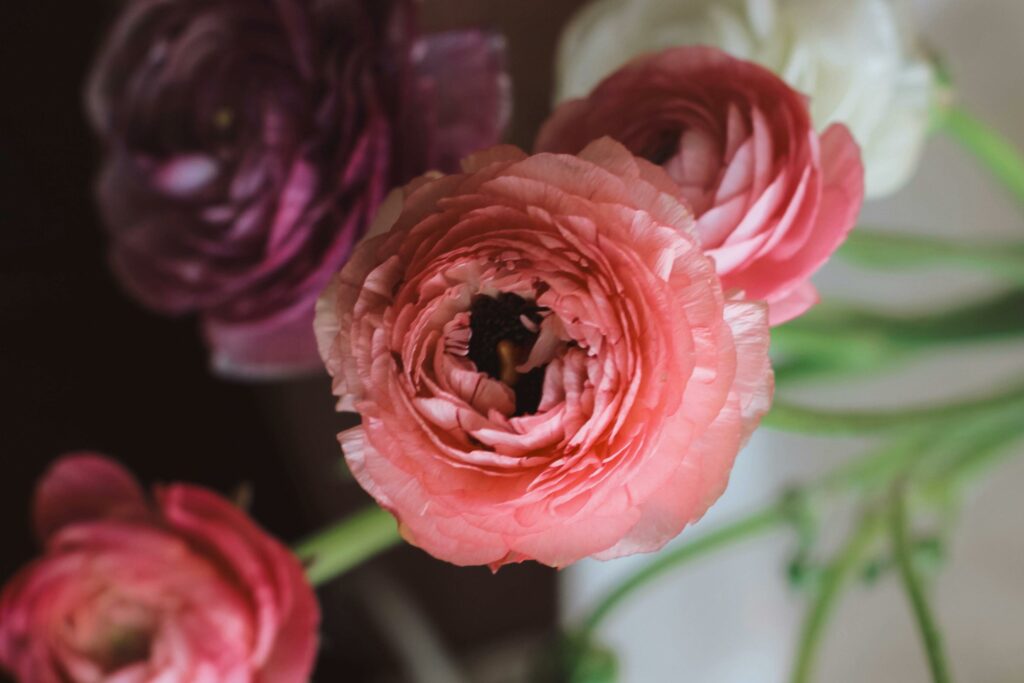

For decades, imported flowers have dominated the floral market, filling bouquets with blooms flown in from Africa, South America, and Asia. Roses from Ecuador, lilies from the Netherlands, tulips from Kenya—these flowers have long symbolized luxury, romance, and global sophistication. Yet, a new generation of consumers is challenging this status quo. Gen Z, the cohort born roughly between 1997 and 2012, is increasingly seeking alternatives to imported flowers—and in doing so, they are reshaping the way we think about floral beauty, sustainability, and local economies.
The Sustainability Imperative
Environmental consciousness is one of Gen Z’s defining traits. According to recent surveys, more than 70% of Gen Z consumers consider environmental impact a major factor in their purchasing decisions. Imported flowers, often transported long distances via air freight and kept in climate-controlled storage, have a significant carbon footprint. On top of this, the production of flowers in industrial farms often involves pesticides, high water consumption, and labor practices that many young consumers are eager to scrutinize.
“Gen Z is very aware that their choices matter,” says Dr. Elaine Marsh, a sustainability expert. “They want flowers that don’t just look good—they want flowers that do good. That includes supporting ethical labor practices, reducing emissions, and promoting biodiversity.”
This concern is translating into real-world action. Local flower farms, small-scale growers, and even community-supported floral agriculture (CSFA) initiatives are seeing a surge in interest. By sourcing flowers closer to home, consumers can reduce the environmental toll associated with transportation, while also supporting local economies.
Aesthetic and Experiential Appeal
For many Gen Z consumers, the appeal of locally-grown flowers goes beyond ethics. There is a growing desire for authenticity and individuality in everyday objects, and flowers are no exception. While imported roses and lilies often look uniform and flawless, local blooms offer variety, seasonality, and a more “natural” aesthetic. Wildflowers, perennials, and native species are increasingly favored for their uniqueness and Instagram-ready charm.
Florists across the country have noticed this trend. Jamie Li, a florist based in Portland, observes, “We’ve seen a noticeable increase in young clients asking specifically for locally-sourced flowers. They’re looking for something seasonal, something that tells a story about their own community, not just a story about global supply chains. It’s about connection and authenticity.”
Even high-end floral brands are adjusting their strategies. Some are partnering with urban flower farms or offering seasonal collections that rotate depending on what is growing locally. The move is a nod to Gen Z’s demand for transparency and narrative in the products they purchase.
DIY Culture and the Joy of Growing
Perhaps the most striking trend is Gen Z’s growing interest in cultivating flowers themselves. Social media platforms like TikTok, Instagram, and Pinterest have become hotbeds for gardening tutorials, from balcony flower projects to elaborate indoor gardens. For young people living in urban apartments, growing flowers at home offers an accessible form of self-expression, creativity, and sustainability.
Growing your own flowers isn’t just a hobby—it’s a lifestyle choice that aligns with Gen Z values. “Tending to plants has a therapeutic effect,” says mindfulness coach Aria Torres. “It allows people to slow down, focus on nurturing life, and create beauty in their own spaces. For Gen Z, it’s a combination of environmental consciousness and personal wellness.”
Popular home-grown options include sunflowers, dahlias, marigolds, and even edible flowers like nasturtiums and pansies. Many young gardeners share tips on social media, creating a sense of community around the process. Some go further, arranging their blooms for small events, gifting friends, or selling their arrangements in local markets.
Economic and Social Ripple Effects
This shift toward local flowers has implications far beyond aesthetics. Small businesses and urban farms are thriving as Gen Z prioritizes supporting local producers over buying mass-produced imported flowers. Subscription-based floral services, farmers’ market arrangements, and pop-up floral shops are seeing significant growth.
“Gen Z is redefining what luxury means in a very practical way,” says Dr. Marsh. “It’s not about imported brands; it’s about authenticity, sustainability, and supporting your own community. They want products that align with their values, even in something as simple as a bouquet.”
The trend is also influencing the flower supply chain itself. Larger florists and distributors are beginning to source domestically, and some traditional flower exporters are exploring eco-friendly practices to appeal to younger consumers. As demand grows, it creates opportunities for innovation in local flower cultivation, such as vertical urban farms, hydroponic flower systems, and community-shared floral plots.
Cultural and Emotional Resonance
Flowers have always held symbolic meaning, from romance to mourning, from celebration to consolation. For Gen Z, locally-grown flowers carry an additional layer of significance: they represent intentionality, care, and connection. Choosing a locally-sourced bouquet is an ethical statement, a creative act, and a form of storytelling.
Social media plays a critical role in amplifying this cultural shift. Hashtags like #GrowYourOwn, #LocalBlooms, and #SustainableFlorals allow young people to share their floral journeys, tips, and personal arrangements. In essence, flowers have become both a visual medium and a form of self-expression, bridging sustainability with aesthetics in a way previous generations may not have considered.
Looking Ahead
As Gen Z’s influence continues to grow, the floral industry faces a potential transformation. Imported flowers won’t vanish overnight, but the preference for local, seasonal, and self-grown blooms is reshaping supply chains, consumer expectations, and cultural norms. The industry is slowly adapting, but the message is clear: young consumers want more than beauty—they want meaning.
For Gen Z, flowers aren’t just decorations—they are statements, hobbies, symbols of environmental stewardship, and reflections of community. By choosing local over imported, they are nurturing a new kind of luxury: one rooted in sustainability, authenticity, and intentional living.
The future of floristry is no longer just about exotic imports or perfect arrangements—it is about connection, care, and the joy of watching something grow right in your own backyard. And in that sense, it’s a future that is blooming with possibility.