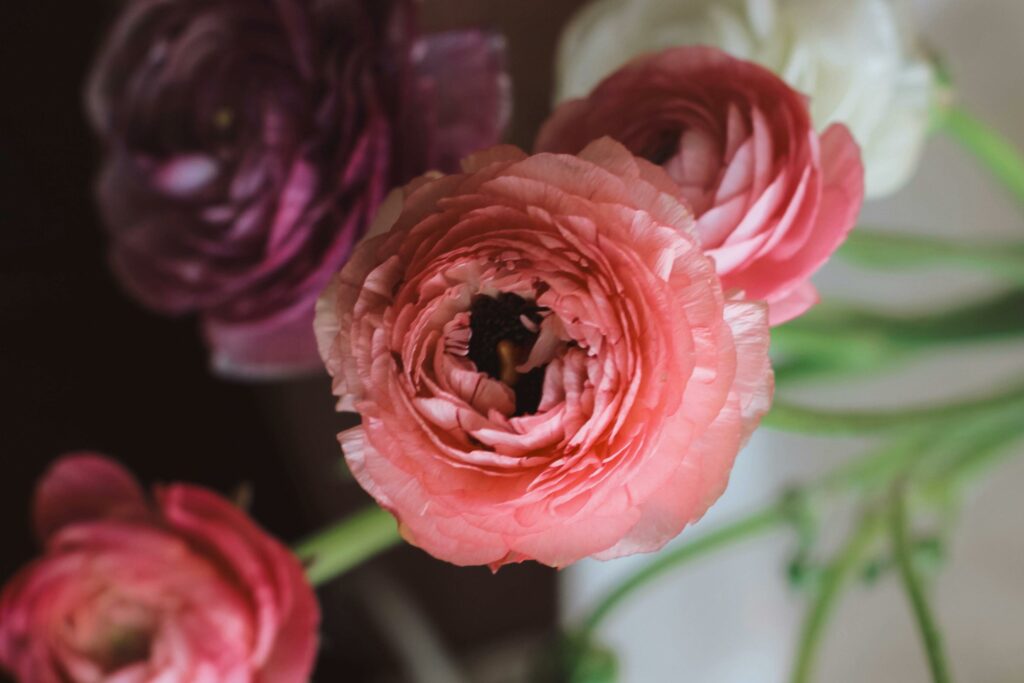

Minimal bridal bouquets have become a hallmark of modern weddings, appealing to brides who seek elegance through restraint rather than extravagance. Unlike traditional lavish bouquets that rely on abundance, minimal bouquets focus on simplicity, clarity, and intentional design. They allow each flower, stem, and leaf to shine, complementing the bride rather than competing with her. A minimal bouquet is not about having less; it is about showcasing the essential beauty of each element.
Single-Flower Bouquets: Elegance in Purity
One of the most iconic minimal styles is the single-flower bouquet. This approach emphasizes the beauty of a single bloom or flower type, allowing its texture, shape, and color to become the focal point. For example, a bouquet composed entirely of white peonies exudes a soft, romantic elegance, with the lush petals providing natural volume without the need for filler flowers. Calla lilies, with their sleek, sculptural forms, create a modern and sophisticated look that suits urban or contemporary weddings. Tulips, by contrast, lend themselves to a more playful and delicate style, particularly when arranged in soft pastel tones. Single-flower bouquets work particularly well when paired with clean, tailored wedding dresses, as they maintain visual harmony while drawing attention to the purity and natural beauty of the bloom itself. Wrapping the stems in a neutral silk ribbon, or even leaving them exposed for a raw, organic feel, enhances the minimalist aesthetic, ensuring the bouquet feels elegant without being overdesigned.
Greenery-Focused Bouquets: Natural Serenity
Minimalism does not always mean minimal in volume; sometimes it is achieved through restraint in color and abundance in texture. Bouquets focused primarily on greenery have become increasingly popular for modern brides. The soft, silvery tones of eucalyptus or the deep, glossy leaves of ruscus create a serene and organic feel, while olive branches offer a Mediterranean elegance that complements both indoor and outdoor weddings. Greenery bouquets often include a subtle variety of leaf shapes and textures to create depth without overwhelming the overall simplicity. These bouquets can be left loosely tied for a casual, natural appearance, or carefully structured for a more formal feel. Occasionally, a single accent flower is included—a soft blush rose or a tiny white bloom—to introduce a touch of color and soften the overall composition. Greenery-focused bouquets are particularly suited for brides who prefer a natural, understated aesthetic, and they work beautifully in garden, woodland, or minimalist urban settings.
Monochromatic Bouquets: Subtle Harmony
For brides who prefer minimalism with a touch of sophistication, monochromatic bouquets offer a refined solution. These bouquets consist of flowers in varying shades of the same color, creating visual interest through texture and form rather than contrasting colors. A bouquet of white ranunculus, lisianthus, and garden roses can appear layered and intricate while remaining soft and understated. Soft blush tones of peonies and dahlias convey a romantic and feminine aura, while deeper reds of anemones or tulips create a bold yet restrained statement. The key to a successful monochromatic bouquet is balancing the size and shape of the blooms: large flowers provide structure and impact, while smaller blooms and buds add subtle texture. Wrapping the stems in a complementary ribbon, often in a neutral or matching hue, completes the polished look, maintaining the clean lines and simplicity that define minimalism. Monochromatic bouquets are versatile, pairing effortlessly with structured gowns, flowing dresses, and even modern bridal jumpsuits.
Asymmetrical and Loose Bouquets: Controlled Naturalism
Minimalism does not necessarily mean rigid symmetry. Asymmetrical, loose bouquets embrace the natural movement of flowers and greenery while maintaining simplicity. These arrangements often feature one or two flower types, combined with wispy elements such as seeded eucalyptus, grasses, or delicate branches. The stems are usually left visible, tied simply, allowing the bouquet to appear organic yet intentional. Unlike overly styled bouquets, the beauty of asymmetrical arrangements lies in the careful spacing and variation in stem lengths, which creates depth and visual interest without adding complexity. Loose minimal bouquets are especially well-suited for outdoor or bohemian weddings, where a sense of natural flow complements the surroundings. They offer an effortless elegance that feels light, airy, and modern while still making a statement of refined taste.
Geometric and Modern Bouquets: Sculpture in Bloom
For brides drawn to architecture and modern design, geometric bouquets offer a sculptural approach to minimalism. These arrangements often focus on a small number of carefully chosen blooms, such as calla lilies, orchids, or proteas, arranged in precise, visually striking forms. The emphasis is on line, shape, and spatial balance rather than abundance or color variation. Stems may be arranged straight, diagonally, or in minimal clusters, creating a sense of order and contemporary elegance. Such bouquets are particularly effective in urban, modern wedding venues where clean lines and minimalist architecture are part of the aesthetic. The restrained color palette and carefully considered composition allow the bouquet to function as a wearable piece of design, seamlessly complementing both the bride and the overall decor.
Dried and Preserved Bouquets: Timeless Minimalism
Dried or preserved bouquets represent a sustainable and long-lasting approach to minimal bridal design. These arrangements often feature natural tones, including beige, ivory, soft pink, and muted greens. Pampas grass, dried lagurus (bunny tail grass), and everlasting flowers like strawflowers or craspedia create texture and depth while maintaining a minimal aesthetic. Dried bouquets are particularly suited to rustic, boho, or minimalist weddings, offering a sophisticated yet effortless elegance. They also provide the added benefit of being keepsakes, allowing the bride to preserve a tangible memory of her wedding day. Arranged in small, hand-tied bunches with loose, natural forms, dried bouquets embody the essence of minimalism: beauty that is subtle, intentional, and timeless.
Styling and Design Principles for Minimal Bouquets
Across all minimal bouquet styles, several core principles hold true. Color palettes should remain restrained, generally comprising one to three complementary colors, often leaning toward neutrals, pastels, or muted tones. Texture plays a crucial role in creating visual interest; combining flowers with different petal shapes, sizes, and foliage types adds depth without clutter. Stem treatments are important in conveying style—exposed stems evoke organic simplicity, while silk ribbons or leather cords lend elegance and refinement. Scale should be carefully considered: minimal bouquets are often smaller and lighter, designed to enhance the bride’s overall appearance rather than overshadow it. Finally, the bouquet should harmonize with the dress and wedding aesthetic: structured, geometric bouquets complement modern gowns, while flowing, loose arrangements pair with ethereal, romantic dresses.
Florist Tips
Minimal bridal bouquets are the epitome of modern elegance. They demonstrate that less can indeed be more by focusing on intentional design, high-quality blooms, and harmonious simplicity. Whether composed of a single flower, a lush collection of greenery, a monochromatic palette, asymmetrical branches, geometric shapes, or dried elements, minimal bouquets allow the bride to carry beauty in its purest, most thoughtful form. This style is timeless, sophisticated, and versatile, ensuring that the bouquet remains a striking yet subtle feature that enhances the bride’s natural radiance and complements the wedding’s overall aesthetic.