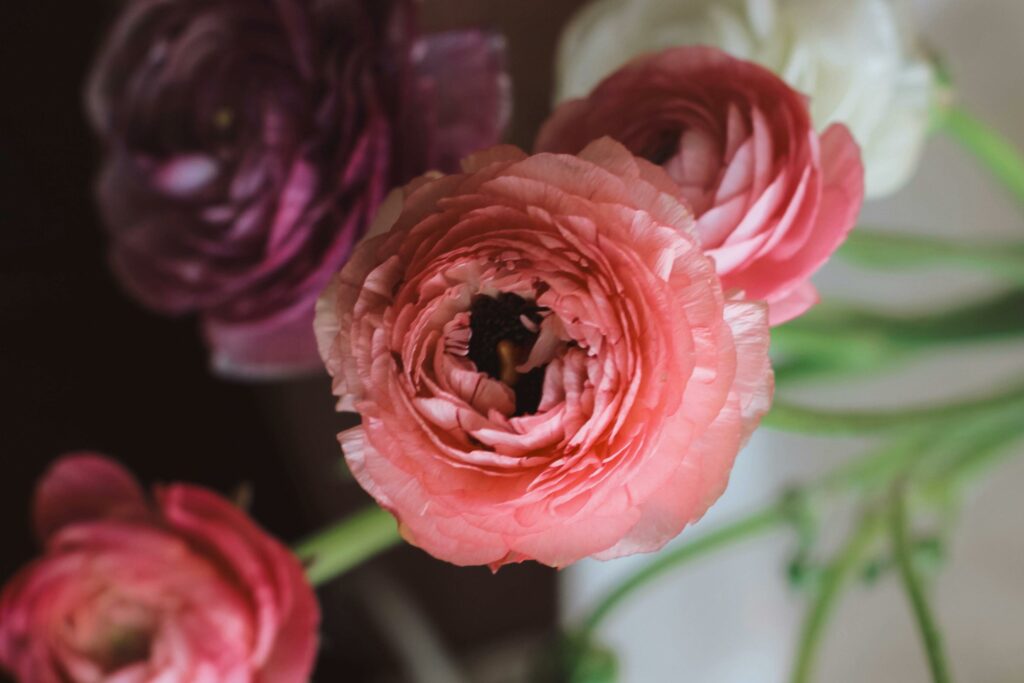

New Year celebrations vary more dramatically across cultures than perhaps any other holiday, with different calendars, traditions, and dates creating a complex landscape for florists. While the Gregorian calendar New Year on January 1st dominates Western commerce, Lunar New Year celebrations in Asia, Persian Nowruz in spring, Jewish Rosh Hashanah in autumn, and numerous other New Year traditions create year-round opportunities for florists who understand these diverse celebrations.
This floristguide explores floral traditions associated with New Year celebrations globally, examining the botanical elements, symbolism, colors, and customs that define how different cultures welcome new beginnings. Understanding these traditions allows florists to serve diverse communities authentically, expand seasonal offerings beyond the Western calendar, and participate meaningfully in celebrations that hold profound cultural and spiritual significance.
Gregorian New Year (January 1st)
United States and Canada
New Year’s Eve on December 31st and New Year’s Day on January 1st in North America emphasize celebration, parties, resolution-making, and fresh starts. Floral traditions for this holiday differ markedly from Christmas, with emphasis on glamour, metallics, and contemporary style rather than traditional evergreens and religious symbolism.
White flowers dominate American and Canadian New Year floristry, symbolizing fresh starts, purity, and new beginnings. White roses, white lilies, white tulips, white orchids, and white hydrangeas create elegant arrangements appropriate for New Year’s Eve parties, New Year’s Day brunches, and gift-giving. The shift from Christmas reds and greens to sophisticated whites and metallics helps florists differentiate New Year offerings from holiday arrangements still in many homes.
Roses in white, cream, and champagne tones feature prominently. These neutral, elegant colors suit formal New Year’s Eve gatherings and create romantic arrangements for couples celebrating together. American florists create large centerpieces for parties using masses of white roses combined with metallic accents, creating luxurious displays that photograph beautifully for social media. The association of champagne-colored roses with celebration and luxury makes them particularly appropriate for New Year events.
Orchids, particularly white Phalaenopsis orchids, appear frequently in New Year arrangements. Their exotic elegance and long-lasting qualities make them suitable for extended displays that carry through early January. Orchids convey sophistication and luxury appropriate to New Year celebrations, which Americans and Canadians often treat as occasions for glamour and elegance. Tall arrangements featuring multiple orchid sprays create dramatic impacts for party venues, hotel lobbies, and corporate events.
Metallic accents dominate North American New Year floristry more than any other holiday. Silver and gold sprays, glittered branches, metallic ribbons, and even gold-dipped flowers create sparkle and glamour. Florists incorporate gold and silver ornamental balls, glittered twigs, metallic mesh ribbons, and reflective containers to maximize shine and celebration. This emphasis on metallics reflects the association of New Year with champagne, party decorations, and countdown celebrations featuring metallic balloons and confetti.
Branches play significant roles in New Year arrangements, particularly when treated with metallic finishes. Curly willow branches sprayed silver or gold provide height and drama. Birch branches, either natural white or enhanced with glitter, create elegant vertical elements. Pussy willow branches can be left natural for textural interest or treated with metallic finishes. These branches add architectural interest while keeping arrangements feeling fresh and different from denser Christmas evergreens.
Black and white combinations appear in contemporary New Year designs, creating sophisticated, dramatic arrangements. Black calla lilies combined with white roses and silver accents produce striking modern designs suitable for upscale New Year parties. Black and white striped ribbons, black containers with white flowers, or predominantly white arrangements with touches of black create bold visual statements that feel contemporary and celebratory.
Carnations in white and cream work well for larger installations and budget-conscious arrangements. Their excellent longevity ensures they remain fresh through multi-day New Year celebrations. White carnations combined with silver or gold accents create full, festive arrangements at accessible price points.
Baby’s breath experiences renewed popularity in North American floristry, and New Year arrangements showcase this trend. Large cloud-like masses of baby’s breath, sometimes tinted silver or gold, create romantic, ethereal arrangements. Baby’s breath combined with white roses or standing alone in dramatic quantities creates the soft, dreamy aesthetic popular on social media and appealing to younger customers.
The color palette for North American New Year strongly favors white, silver, and gold, with occasional black accents for drama. Unlike Christmas with its traditional reds and greens, New Year embraces neutrals and metallics that feel sophisticated, modern, and celebratory. This allows florists to create distinctly different offerings that don’t compete with Christmas inventory still in many homes and businesses.
Corporate clients create significant opportunities during New Year. Hotels hosting New Year’s Eve galas need dramatic lobby arrangements and table centerpieces. Restaurants require elegant table arrangements for special New Year menus. Office buildings want fresh arrangements to welcome employees back after holiday breaks. These commercial opportunities often involve larger budgets and quantities than residential sales, making corporate relationship-building valuable for florists.
United Kingdom and Europe
European Gregorian New Year celebrations share many characteristics with North American traditions while incorporating distinct regional elements. New Year’s Eve festivities and New Year’s Day gatherings create demand for elegant floral arrangements, though Europeans generally favor more restrained aesthetics than Americans.
British New Year floristry emphasizes elegance and tradition while moving away from Christmas reds and greens. White flowers dominate, particularly white roses, white lilies, and white carnations. These flowers appear in carefully structured arrangements that reflect British preferences for formal, symmetrical designs. Winter jasmine with its delicate yellow flowers blooms in Britain during January and occasionally appears in New Year arrangements, adding British character and seasonal authenticity.
Snowdrops, if available in late December or early January, hold special significance in British culture as harbingers of spring and symbols of hope. These delicate white flowers with their drooping heads rarely appear in commercial floristry due to their small size and delicate nature, but British customers appreciate their symbolism when incorporated into small arrangements or presented in simple posies.
In Scotland, Hogmanay celebrations on December 31st represent one of the year’s most important festivals. Scottish New Year traditions include first-footing, where the first person to enter a home after midnight brings symbolic gifts. While coal and whisky traditionally feature, flowers also make appropriate first-footing gifts. Florists in Scotland create special Hogmanay arrangements featuring white heather, which grows wild in Scottish highlands and symbolizes good fortune. White heather combined with white roses and Scottish foliage creates distinctly Scottish New Year arrangements.
French New Year, called Saint-Sylvestre on December 31st and Le Jour de l’An on January 1st, emphasizes elegance and gastronomy. French New Year arrangements reflect refined taste and sophisticated color combinations. White flowers predominate, but French florists incorporate subtle touches of champagne, blush pink, and pale gold that feel luxurious without garishness. Garden roses in subtle tones, ranunculus in cream and pale pink, and anemones in white create romantic French arrangements.
French New Year floristry often incorporates unexpected elements that add sophistication. Hellebores in white or pale green provide distinctive winter flowers with particular appeal to French aesthetics. Silver brunia adds textural interest and metallic shimmer without obvious sparkle. Eucalyptus foliage in various forms contributes soft, silvery tones and contemporary styling.
German New Year, Silvester on December 31st and Neujahr on January 1st, features traditions including Bleigiessen (lead pouring for fortune telling) and midnight fireworks. German floral traditions for New Year emphasize good luck symbols. Four-leaf clovers, though not actually flowers, appear frequently as decorative elements. Small potted clover plants make popular gifts, symbolizing fortune for the coming year.
Amaryllis continues from Christmas into New Year in German households, with many bulbs reaching peak bloom during late December and early January. These dramatic flowers bridge the holidays, providing continuity while their bold forms and colors create festive New Year atmosphere. White amaryllis particularly suits New Year celebrations, symbolizing fresh starts and pure intentions.
Scandinavian New Year celebrations maintain the candle-centered, nature-focused aesthetics prominent at Christmas. White flowers combined with natural branches, pine cones, and abundant candles create hygge-inspired New Year arrangements. Scandinavians appreciate simplicity and authenticity, making natural, unadorned flowers in simple containers more appropriate than heavily decorated arrangements with metallic embellishments.
Italian New Year, Capodanno, features traditions including wearing red underwear for luck and eating lentils for prosperity. Red flowers make appropriate gifts, symbolizing luck and passion for the new year. Red roses, red gerbera daisies, and red carnations appear in Italian New Year arrangements. Italians appreciate abundant, generous arrangements that express warmth and celebration, making full, lush designs more appropriate than minimalist styles.
Spanish New Year, Nochevieja, features the tradition of eating twelve grapes at midnight, one for each chime of the clock, ensuring twelve lucky months ahead. This grape tradition doesn’t directly influence floristry, but Spanish New Year arrangements embrace festive colors including red for luck, white for purity, and gold for prosperity. Spanish preferences favor warm, celebratory arrangements with Mediterranean touches like olive branches or citrus foliage.
Lunar New Year
China
Chinese New Year, also called Spring Festival or Lunar New Year, occurs between January 21st and February 20th depending on the lunar calendar. This fifteen-day celebration represents the most important holiday in Chinese culture, with profound traditions surrounding flowers, colors, and symbolic meanings. Understanding Chinese New Year floristry requires knowledge of symbolism, lucky numbers, colors, and cultural taboos that differ significantly from Western traditions.
The timing of Chinese New Year varies annually based on the lunar calendar, requiring florists to track the specific dates each year. The celebration extends from New Year’s Eve through the Lantern Festival fifteen days later, creating an extended sales period. Peak demand occurs in the days immediately before New Year’s Eve as families prepare homes and purchase gifts, with secondary peaks for visiting relatives and friends throughout the fifteen-day period.
Red and gold dominate Chinese New Year floristry to an extent unmatched in any other cultural celebration. Red symbolizes good fortune, joy, and prosperity while warding off evil spirits. Gold represents wealth and prosperity. These colors appear not just in flowers but in all decorative elements, containers, wrapping materials, and accents. Florists must stock abundant red and gold materials, as Chinese customers expect and require these colors for authenticity and good fortune.
Peonies hold supreme importance in Chinese New Year floristry when available. Called the “king of flowers” in Chinese culture, peonies symbolize honor, wealth, prosperity, and happy marriages. Unfortunately, fresh peonies rarely bloom naturally during winter months when Chinese New Year occurs. However, forced peonies from controlled greenhouse environments sometimes become available, commanding premium prices. When genuine peonies are unavailable, silk peonies of exceptional quality make acceptable substitutes, as Chinese tradition accepts artificial peonies specifically because the real flowers are so precious and meaningful. Large, full, deeply colored peonies in red, pink, or coral create the most auspicious arrangements.
Plum blossoms hold special significance as symbols of resilience, hope, and the promise of spring. Branches of flowering plum (Prunus mume) with their delicate pink or white blossoms appear throughout Chinese New Year celebrations. These blossoms blooming on bare branches represent perseverance through winter’s hardships and the approach of spring’s renewal. Florists should source flowering plum branches, which can be forced to bloom indoors if cut when buds are formed. The branches work beautifully arranged simply in tall vases or incorporated into larger arrangements.
Pussy willows symbolize growth and prosperity in Chinese culture. The fuzzy silver catkins resemble ancient Chinese silver ingots, making them powerful prosperity symbols. Large displays of pussy willow branches create auspicious New Year decorations, and smaller branches appear in mixed arrangements. The branches should be fresh and plump, as dried or withered pussy willows convey the opposite of intended prosperity.
Orchids represent refinement, fertility, abundance, and prosperity in Chinese culture. Cymbidium orchids particularly suit Chinese New Year, their cascading sprays of flowers available in auspicious colors including red, yellow, gold, and pink. These orchids make prestigious gifts and create elegant arrangements. Phalaenopsis orchids also work well, particularly in red, yellow, or white. Potted orchids make especially appropriate gifts as living plants symbolize ongoing fortune rather than temporary beauty.
Chrysanthemums must be approached carefully in Chinese New Year floristry. While chrysanthemums are beloved in Chinese culture generally, white and yellow chrysanthemums specifically associate with funerals and mourning. However, red, pink, and purple chrysanthemums are acceptable and auspicious for New Year. Florists serving Chinese communities must understand this distinction and never include white or yellow chrysanthemums in New Year arrangements, as this would be deeply offensive and unlucky.
Narcissus, specifically Chinese sacred lily (Narcissus tazetta var. chinensis), holds particular importance for Chinese New Year. These fragrant white and yellow flowers symbolize good fortune and prosperity. Chinese families traditionally force narcissus bulbs in shallow dishes of water, timing them to bloom during New Year celebrations. Florists can sell pre-planted narcissus bulbs or incorporate the cut flowers into arrangements, though the forced bulbs in decorative containers make more traditional and appreciated presentations.
Lucky bamboo, despite not being true bamboo botanically, appears extensively in Chinese New Year displays. These Dracaena plants shaped into various forms symbolize good fortune, with different numbers of stalks carrying different meanings. Three stalks represent happiness, five represent wealth, six represent prosperity, seven represent health, eight represents growth, nine represents great luck, and ten represents perfection. Florists should learn these number meanings and offer lucky bamboo in appropriate quantities with explanatory cards.
Kumquat trees, while not strictly floral, represent a major component of Chinese New Year decorating and create significant opportunities for florists. Small potted kumquat trees laden with golden-orange fruit symbolize prosperity and good fortune. The Chinese word for kumquat sounds similar to the word for gold, creating linguistic and visual prosperity symbolism. Florists with greenhouse or indoor space can stock kumquat trees, which command substantial prices and make highly desired gifts. The trees require care instructions for customers to maintain them properly.
Tangerines, oranges, and citrus fruits and branches play important roles in Chinese New Year traditions. The Chinese words for certain citrus fruits sound similar to words for luck and wealth, creating linguistic prosperity symbolism. Arrangements might incorporate small tangerines or branches with fruit attached, and decorative displays feature fresh citrus arranged in bowls or baskets. Florists can offer citrus-themed arrangements or sell fresh fruit arrangements alongside traditional florals.
Numbers carry profound significance in Chinese culture, affecting how florists present and price arrangements. Eight is the luckiest number, symbolizing wealth and prosperity. Six symbolizes smooth progress. Nine represents longevity. Even numbers generally bring good luck, as they symbolize harmony and balance. Four must be avoided entirely, as the word sounds like the word for death in Chinese. Never create arrangements with four flowers or price items at amounts including four. Similarly, avoid single stems, as one can symbolize loneliness. Present flowers in even numbers (preferably six, eight, or nine stems) for maximum auspiciousness.
Colors carry specific meanings requiring attention. Red and gold are most auspicious. Pink and orange are acceptable and fortunate. Yellow in certain shades is acceptable, though be cautious with colors too close to funeral associations. Purple can represent prosperity and nobility. White and blue must be avoided entirely, as these are funeral colors in Chinese culture. Black is absolutely forbidden. Any arrangement for Chinese New Year must be overwhelmingly red and gold with perhaps pink or orange accents, never including white, blue, or black flowers.
Wrapping and presentation matter enormously in Chinese gift-giving culture. Arrangements should be wrapped in red paper or cellophane, tied with red and gold ribbons, and adorned with Chinese New Year decorations such as gold coins, lucky character ornaments, or lantern decorations. The presentation should feel abundant, festive, and obviously celebratory. Understated or minimalist wrapping would seem inappropriate and insufficiently respectful.
Chinese New Year greetings should accompany floral gifts. Learning key phrases like “Gong Xi Fa Cai” (congratulations and prosperity) or “Xin Nian Kuai Le” (Happy New Year) and including these on cards or gift tags shows cultural respect and understanding. Many florists create special New Year cards in red and gold featuring these greetings in Chinese characters.
Regional variations exist throughout Chinese communities. Cantonese, Mandarin, Taiwanese, and other Chinese populations may have subtle preference differences, though core symbolism remains consistent. Building relationships with Chinese community leaders helps florists understand local preferences and taboos.
Vietnam
Vietnamese New Year, called Tết, follows the lunar calendar like Chinese New Year but maintains distinct Vietnamese characteristics in floral traditions. Tết represents the most important holiday in Vietnamese culture, when families reunite, honor ancestors, and welcome prosperity for the coming year.
Peach blossoms dominate Vietnamese Tết floristry in ways unique to Vietnamese culture. In northern Vietnam particularly, branches of flowering peach (Prunus persica) symbolize renewal, spring’s arrival, and the breakthrough of new life. These pink-blossomed branches, called “Hoa Đào,” appear in homes, businesses, and temples throughout Tết. The branches should be substantial, creating impressive displays when placed in large floor vases. Vietnamese families invest significantly in acquiring the finest peach branches, with premium specimens commanding high prices. Florists serving Vietnamese communities must source flowering peach branches well in advance, as demand vastly exceeds supply. The branches can be forced to bloom indoors if properly selected and prepared.
Yellow mai flowers (Ochna integerrima) dominate southern Vietnamese Tết traditions. These flowering branches with bright yellow blooms symbolize prosperity and new beginnings in the south. The yellow color represents prosperity and royal elegance, making mai flowers essential for southern Vietnamese families. These branches, like peach blossoms, should be substantial and impressive, displayed prominently in homes. The regional preference difference between northern peach blossoms and southern mai flowers creates important considerations for florists. Understanding customer origins helps determine appropriate recommendations.
Kumquat trees play roles in Vietnamese Tết similar to Chinese New Year. Potted kumquat trees loaded with golden fruit symbolize prosperity and fertility for the coming year. Vietnamese families display these trees prominently throughout Tết, and they make prestigious gifts for business associates and important relationships.
Chrysanthemums in yellow and other colors (avoiding white) appear in Vietnamese Tết arrangements. These flowers symbolize longevity and nobility. Yellow chrysanthemums combined with red accents create auspicious arrangements, though florists must avoid funeral color associations.
Gladioli in red, yellow, pink, and orange feature in Vietnamese Tết floristry. Their tall, dramatic form and excellent longevity make them practical for extended celebrations. Arrangements often combine gladioli with other flowers in abundant, generous designs expressing celebration and prosperity.
The Vietnamese color palette for Tết includes red for luck, yellow for prosperity and royalty, pink for happiness and love, and orange for success. White and black must be avoided as funeral colors. Vietnamese arrangements tend toward fullness and abundance, expressing generosity and prosperity hopes.
Vietnamese New Year arrangements often incorporate fruit branches beyond flowers. Kumquat, tangerine, and sometimes grapefruit branches with fruit attached symbolize fertility, prosperity, and abundance. These natural elements combined with flowers create displays connecting to agricultural traditions and natural abundance.
Ancestral altars receive special attention during Tết, creating opportunities for specific floral arrangements. These arrangements should be respectful, substantial, and incorporate appropriate colors and flowers. Families replace altar flowers regularly throughout Tết, creating ongoing demand.
Vietnamese gift-giving during Tết emphasizes pairs, reflecting the cultural value of harmony and balance. When creating arrangements for gifts, present flowers in even numbers and consider offering paired items such as two potted plants or matching arrangements.
Korea
Korean New Year, Seollal, follows the lunar calendar and represents one of Korea’s most important holidays. While sharing some characteristics with Chinese New Year, Korean traditions maintain distinct features in floral customs and symbolism.
Simplicity and elegance characterize Korean New Year floristry more than the abundance favored in Chinese or Vietnamese traditions. Korean aesthetic preferences emphasize clean lines, negative space, and refined presentation rather than density and profusion. This creates opportunities for florists skilled in minimalist, sophisticated design.
Orchids, particularly in white or pale colors, appear frequently in Korean New Year celebrations. These elegant flowers suit Korean aesthetic preferences for refinement and understated beauty. Single orchid sprays presented simply in clean containers exemplify Korean design sensibilities. Phalaenopsis orchids in white or pale pink make appropriate Seollal gifts, particularly for business relationships or respected elders.
Pine branches symbolize longevity and integrity in Korean culture. Arrangements incorporating pine maintain connections to Korean symbolic traditions while remaining appropriate for New Year. Pine combined with minimal flowers in asymmetrical arrangements reflecting Korean aesthetic principles creates culturally resonant designs.
Bamboo represents resilience and integrity in Korean culture. Arrangements incorporating lucky bamboo or bamboo imagery connect to Korean values. The clean, linear quality of bamboo suits Korean design preferences.
Korean New Year color preferences include red for good fortune, though Korean red tends toward deeper, more sophisticated burgundy rather than bright primary red. White, particularly in flowers, maintains appropriateness despite general Asian associations of white with mourning, as Korean aesthetics value white’s purity and simplicity. Yellow and gold appear but more subtly than in Chinese traditions. Overall, Korean New Year arrangements favor elegant, restrained color palettes rather than bold contrasts.
Rice cake (tteok) holds central importance in Korean New Year celebrations, and while not floral, the aesthetic of tteok arrangements influences floral design. The careful stacking, geometric precision, and attention to negative space in tteok arrangements reflect broader Korean aesthetic values that florists should understand when creating Seollal arrangements.
Hanbok, traditional Korean dress, influences color and style preferences. The soft, sophisticated colors of hanbok and the garments’ elegant lines create aesthetic context for floral designs. Arrangements that feel harmonious with hanbok aesthetics resonate with Korean cultural sensibilities.
Gift-giving during Seollal emphasizes respect and propriety, particularly toward elders and parents. Floral gifts should convey respect through quality rather than sheer size. A small arrangement of exceptional materials presented beautifully demonstrates greater respect than large, less refined designs.
Nowruz (Persian New Year)
Nowruz, the Persian New Year celebrated on the spring equinox (March 20th or 21st), represents one of humanity’s oldest continuing New Year traditions, dating back over three thousand years. This celebration, observed in Iran, Afghanistan, Azerbaijan, and throughout Central Asia, centers on renewal, rebirth, and humanity’s connection to natural cycles.
The Haft-Seen table forms the centerpiece of Nowruz celebrations, creating the primary context for floral traditions. This ritual table displays seven items beginning with the Persian letter “seen” (S), each symbolizing different hopes for the new year. While most items are non-floral (such as wheat sprouts, vinegar, apples, garlic, and coins), flowers and greenery play essential supporting roles.
Hyacinths hold particular importance in Nowruz traditions. These fragrant spring bulbs symbolize rebirth and the arrival of spring. Pink hyacinths are traditional, though white, purple, and blue also appear. Potted hyacinths in bloom make essential Haft-Seen table elements, their powerful fragrance filling homes with spring’s promise. Florists serving Persian communities should stock abundant potted hyacinths timed to bloom for Nowruz, as demand significantly exceeds normal spring sales.
Wheat or lentil sprouts, called Sabzeh, represent rebirth and growth on Haft-Seen tables. While florists don’t typically grow these, understanding their importance helps contextualize the broader celebration and the role of greenery and growth in Nowruz symbolism.
Tulips hold deep cultural significance in Persian tradition and appear in Nowruz celebrations. Red tulips particularly symbolize perfect love and spring’s arrival. Persian miniature paintings historically depicted tulips extensively, and this flower remains beloved in Iranian culture. Arrangements featuring tulips, especially red varieties, create culturally appropriate Nowruz designs. The simple, elegant form of tulips suits Persian aesthetic preferences for refinement and natural beauty.
Narcissus blooms naturally in Iran during Nowruz season, making these fragrant flowers traditional elements of celebrations. White and yellow narcissus symbolize rebirth and new beginnings. Their sweet fragrance enhances Nowruz celebrations, and they often appear on or near Haft-Seen tables. Potted narcissus or cut flowers both work well for Nowruz arrangements.
Roses maintain their importance in Persian culture year-round, and Nowruz is no exception. Persian gardens historically featured abundant roses, and Persian poetry celebrates roses extensively. Red and pink roses appear in Nowruz arrangements, symbolizing love, beauty, and renewal. The roses should be fragrant if possible, as scent holds particular importance in Persian aesthetic traditions.
Irises, Iran’s national flower, bloom in spring and sometimes appear in Nowruz celebrations. These elegant flowers with their distinctive form symbolize hope and wisdom. Blue, purple, and yellow irises create beautiful arrangements appropriate to the season and culturally resonant.
Green holds paramount importance in Nowruz color symbolism, representing rebirth, growth, and nature’s renewal. Every Haft-Seen table features green through the Sabzeh sprouts, and green appears throughout Nowruz decorations. Floral arrangements should incorporate abundant greenery, and green ribbons or wrapping materials are highly appropriate. This differs markedly from other New Year traditions where red or gold dominate.
White symbolizes purity and new beginnings in Nowruz traditions. White flowers combined with green create fresh, spring-like arrangements perfect for this equinox celebration. Pink represents love and joy, making pink flowers appropriate additions. Yellow suggests prosperity and happiness. Red conveys passion and vitality. Overall, Nowruz color palettes should feel spring-like, fresh, and alive rather than wintery or metallic.
Persian design aesthetics emphasize elegance, refinement, and attention to detail. Arrangements should feel balanced and harmonious, incorporating the geometric principles visible in Persian architectural decoration and garden design. Symmetry often appears in Persian designs, though not rigid Western-style symmetry. The overall effect should feel organized, beautiful, and sophisticated.
Natural elements beyond flowers enhance Nowruz arrangements. Branches from fruit trees beginning to bud or bloom connect to renewal themes. Pussy willow branches work beautifully, their soft catkins suggesting spring’s gentle emergence. These natural elements arranged with flowers create designs that honor Nowruz’s deep connection to natural cycles.
Goldfish, painted eggs, and mirrors appear on Haft-Seen tables, creating visual context for floral arrangements. Understanding these elements helps florists create arrangements that complement rather than compete with other table elements. Arrangements should enhance the table’s overall beauty without overwhelming other symbolic items.
Nowruz celebrations extend for thirteen days, with the thirteenth day (Sizdah Be-dar) traditionally spent outdoors in nature. This creates opportunities for extended floral sales as families refresh arrangements throughout the celebration period and bring flowers to outdoor picnics on the final day.
Afghan, Tajik, Uzbek, and other Central Asian communities celebrate Nowruz with similar traditions but local variations. Building relationships with community members helps florists understand specific regional preferences within broader Nowruz traditions.
Rosh Hashanah (Jewish New Year)
Rosh Hashanah, the Jewish New Year, occurs in autumn (September or October) according to the Hebrew calendar. This High Holy Day begins a ten-day period of reflection and repentance concluding with Yom Kippur. While not as commercially emphasized as Gregorian New Year, Rosh Hashanah holds profound religious and cultural significance for Jewish communities, creating meaningful opportunities for florists who understand Jewish traditions and sensibilities.
White flowers predominate in Rosh Hashanah floristry, symbolizing purity, renewal, and the clean slate associated with the new year and repentance. White roses, white lilies, white carnations, white chrysanthemums, and white orchids create appropriate arrangements. The preference for white reflects the holiday’s spiritual nature and the imagery of purification central to High Holy Day observance.
Pomegranates play central symbolic roles in Rosh Hashanah, representing righteousness and the hope of performing abundant good deeds in the coming year. While pomegranate fruit rather than flowers features most prominently, understanding this symbolism helps florists create contextually appropriate arrangements. Some florists incorporate pomegranate imagery through decorative elements or use the deep red of pomegranate seeds as accent colors in otherwise white arrangements.
Apples and honey represent central Rosh Hashanah traditions, symbolizing hopes for a sweet new year. This tradition doesn’t directly translate to floristry, but understanding it helps florists appreciate the overall aesthetic of sweetness, abundance, and hope that should characterize Rosh Hashanah arrangements. Warm, gentle designs rather than bold, dramatic statements suit the holiday’s reflective, hopeful tone.
Round arrangements carry particular appropriateness for Rosh Hashanah, as round shapes symbolize the cyclical nature of the year, continuity, and completeness. Circular wreaths, round dome-shaped arrangements, and spherical forms resonate with Rosh Hashanah symbolism. This creates opportunities for florists to design specifically round compositions that customers recognize as appropriate for the holiday.
Fall flowers suit Rosh Hashanah’s autumn timing. Chrysanthemums, particularly in white, work beautifully and remain fresh throughout the holiday period. Dahlias in white or cream create sophisticated arrangements. Late-blooming roses, lisianthus, and stock in white provide elegant options. The autumn timing means summer flowers like sunflowers and zinnias also remain available if customers prefer brighter, more casual designs.
Color preferences for Rosh Hashanah lean toward white, cream, and soft pastels rather than bold, saturated colors. While some customers might request brighter arrangements, traditional sensibilities favor purity and refinement over vibrancy. Gold accents can work well, representing richness and the golden honey of the sweet new year tradition. Blue and white together, reflecting Israeli flag colors, appeal to customers with strong connections to Israel.
Synagogue decorations create commercial opportunities for florists. Many synagogues commission special arrangements for the High Holy Days, wanting impressive floral displays for their most well-attended services of the year. These arrangements need to be substantial, long-lasting (covering multiple days), and appropriately dignified for sacred spaces. Building relationships with synagogue leadership and understanding their specific needs and budgets creates valuable contracts.
Home arrangements for Rosh Hashanah serve multiple purposes. Families want beautiful arrangements for holiday meals, particularly the festive dinners on both nights of Rosh Hashanah. These arrangements should suit dining tables, remaining low enough to allow conversation across the table while providing beauty. Additionally, arrangements might be given as hostess gifts when visiting friends and family, requiring a range of sizes and price points.
Rosh Hashanah timing close to other autumn events creates both challenges and opportunities. The holiday typically occurs when families are settling back into school routines, potentially making people busy and distracted. However, the holiday also initiates a season of Jewish observance extending through Sukkot and Simchat Torah in October, creating extended opportunities for florists who build relationships with Jewish customers.
Jewish law and custom include specific considerations florists should understand. During the Sabbath (Friday evening through Saturday evening), observant Jews cannot conduct business transactions or arrange flowers. If Rosh Hashanah falls on or near Shabbat, delivery timing becomes crucial. Florists should coordinate carefully with customers about delivery times that respect religious observance. Similarly, arrangements for synagogues must be delivered before Shabbat or holidays begin.
Kashrut (Jewish dietary laws) doesn’t directly affect floristry, but understanding that many customers maintain kosher homes helps florists appreciate the care and attention to religious law that characterizes observant customers’ lives. This awareness encourages respectful, knowledgeable service.
Mailings and marketing to Jewish communities require cultural awareness. Understanding the Hebrew calendar, knowing when holidays fall, and recognizing that different Jewish denominations (Orthodox, Conservative, Reform, Reconstructionist) have varying observance levels helps florists communicate appropriately. Marketing Rosh Hashanah arrangements should begin several weeks before the holiday, as many customers plan and order well in advance.
Traditional Rosh Hashanah greetings include “Shanah Tovah” (Good Year) or “L’shanah tovah tikatevu” (May you be inscribed for a good year, referencing the belief that God inscribes people’s fate for the coming year during the High Holy Days). Including these greetings on cards or marketing materials demonstrates cultural knowledge and respect.
The solemnity of the High Holy Days means arrangements should feel elegant and dignified rather than festive and party-oriented. This distinguishes Rosh Hashanah floristry from Gregorian New Year’s emphasis on celebration and glamour. Jewish New Year observances balance joy at new beginnings with serious reflection on the past year and hopes for forgiveness and renewal.
Hindu New Year Traditions
Hindu New Year celebrations occur at different times depending on regional traditions, lunar calendar variations, and cultural practices across India and Hindu diaspora communities. Multiple Hindu New Year traditions exist, each with distinct characteristics and floral customs. Understanding this diversity prevents florists from treating Hindu New Year as a monolithic celebration.
Diwali
Diwali, the Festival of Lights celebrated in October or November, serves as New Year for many Hindu communities, particularly those following the Vikram Samvat calendar. This five-day festival celebrates the victory of light over darkness, knowledge over ignorance, and good over evil. Diwali ranks among the most important Hindu festivals, creating significant opportunities for florists serving Hindu communities.
Marigolds dominate Diwali floristry more than any other flower. These vibrant orange and yellow flowers, called “Genda Phool” in Hindi, appear throughout Diwali celebrations in truly astonishing quantities. Marigold garlands, called “mala,” decorate homes, businesses, temples, and deities. The flowers’ bright colors, strong scent, and symbolic associations with auspiciousness make them essential for Diwali. Florists serving Hindu communities must stock enormous quantities of marigolds during Diwali, as a single family might purchase multiple pounds of flowers for various uses.
Marigold garlands require specific construction techniques. Traditional Indian garlands string flowers tightly together on thread, creating dense, columnar strands of blooms. These garlands vary in length from short necklace-style to long swags reaching six feet or more. Florists should learn proper garland construction techniques or hire staff familiar with Indian floral traditions. Pre-made garlands sell well, but customers also purchase loose marigolds to create their own garlands or arrange in traditional ways.
Roses hold importance in Diwali celebrations alongside marigolds. Red and pink roses appear in garlands, decorations, and arrangements. Rose petals scattered on surfaces, floated in water bowls, or used to create decorative patterns (called rangoli when combined with other materials) add beauty and fragrance to celebrations. Selling loose rose petals separately creates additional revenue.
Lotus flowers carry profound spiritual significance in Hindu tradition, representing purity, enlightenment, and divine beauty. Fresh lotus flowers prove difficult to source in many locations, but where available, they make exceptional additions to Diwali arrangements and offerings. Lotus flowers and leaves floating in decorative bowls create beautiful, spiritually significant displays.
Jasmine’s intense fragrance and small white flowers make it beloved for Hindu religious observances. Jasmine garlands, particularly common in South Indian traditions, appear during Diwali celebrations. The flowers might be woven into garlands alone or combined with other flowers. Jasmine’s powerful scent fills homes and temples with fragrance considered pleasing to deities.
Chrysanthemums in yellow, orange, and red appear in Diwali decorations, particularly in arrangements for homes and businesses rather than specifically religious offerings. Their autumn bloom time and availability make them practical choices for substantial arrangements.
Diwali colors emphasize orange, yellow, red, pink, and white. These bright, warm colors reflect the festival’s theme of light and the traditional oil lamps (diyas) that illuminate homes during Diwali. Gold decorative elements prove extremely popular, as Lakshmi, the goddess of wealth and prosperity, is honored particularly during Diwali. Arrangements incorporating gold ribbons, gold-sprayed elements, or gold containers resonate with Diwali aesthetics.
Rangoli, decorative patterns created on floors and courtyards, traditionally use colored powders, rice, and sand, but flower petals create beautiful rangoli as well. Marigold petals, rose petals, and other colorful blooms can be arranged in geometric or freeform patterns. Some florists offer rangoli design services or sell flower petals specifically for rangoli creation.
Lakshmi puja (worship of Goddess Lakshmi) occurs during Diwali, creating demand for specific floral offerings. Families create altar arrangements or puja thalis (plates) featuring flowers, candles, sweets, and other offerings. Small arrangements specifically designed for home altars prove popular, as do garlands for decorating deity images.
Business openings, housewarmings, and new beginnings often coincide with Diwali, as the new year represents an auspicious time for fresh starts. Commercial customers might commission substantial installations for new business openings or office celebrations, creating significant revenue opportunities.
The five-day structure of Diwali creates multiple sales opportunities. Different days emphasize different aspects of celebration, and families might want fresh flowers for each day’s observances. Understanding the five-day structure helps florists anticipate demand patterns and recommend appropriate products for each day.
Hindu communities vary significantly in regional origins, languages, and specific customs. North Indian, South Indian, Gujarati, Bengali, Punjabi, and other communities maintain distinct traditions within broader Hindu practice. Building relationships with community leaders and learning about local populations’ specific backgrounds helps florists serve customers more appropriately.
Ugadi and Gudi Padwa
Ugadi (celebrated in Karnataka, Andhra Pradesh, and Telangana) and Gudi Padwa (celebrated in Maharashtra and Goa) mark Hindu New Year in March or April according to the lunisolar calendar. These spring celebrations emphasize renewal, new beginnings, and the coming agricultural season.
Mango leaves hold particular importance in Ugadi and Gudi Padwa celebrations. Fresh mango leaf garlands, called “torana,” hang over doorways, symbolizing prosperity and good fortune. Florists should source fresh mango leaves or branches, which prove challenging outside tropical regions but remain essential for authentic celebrations. Where fresh mango leaves are unavailable, other tropical foliage might substitute, though customers prefer authenticity when possible.
Marigolds appear in spring New Year celebrations as well, though perhaps less dominantly than during autumn Diwali. Yellow and orange marigolds decorate homes and combine with mango leaves in doorway decorations.
The Gudi, a decorated pole erected outside homes during Gudi Padwa, features flowers among its decorative elements. Understanding this custom helps florists offer appropriate products for Gudi decoration.
Spring flowers available during March and April provide beautiful options for these celebrations. Marigolds remain central, but spring roses, gerbera daisies, and other cheerful flowers create appropriate arrangements.
Puthandu and Vishu
Tamil New Year (Puthandu) and Kerala New Year (Vishu), both celebrated in April, mark new year for South Indian Hindu communities. These celebrations maintain distinct South Indian characteristics in floral traditions.
The Vishu Kani, the first sight viewed on Vishu morning, includes specific arranged items including flowers, fruit, rice, cloth, gold, and a mirror. Families carefully arrange these items the night before, creating beautiful displays. Yellow flowers, particularly Kanikonna (Cassia fistula, also called golden shower tree), hold central importance. The brilliant yellow flowers cascading from branches symbolize prosperity and auspiciousness. Florists serving Kerala communities should source these distinctive flowers when possible, as their appearance and symbolism create powerful cultural resonance.
Marigolds, jasmine, and other traditional Hindu flowers also appear in Puthandu and Vishu celebrations, decorated in homes, temples, and used in religious ceremonies.
Ethiopian New Year (Enkutatash)
Ethiopian New Year, called Enkutatash, occurs on September 11th (or 12th in leap years) according to the Ethiopian calendar. This celebration coincides with the end of the rainy season when Ethiopia’s landscape blooms with wildflowers, creating distinctive floral traditions.
Yellow flowers dominate Ethiopian New Year celebrations, representing the field of yellow daisies (Adey Abeba) that bloom across Ethiopia at this time of year. These bright flowers symbolize renewal, the coming of sunshine after rains, and hope for prosperity. Florists serving Ethiopian communities should emphasize yellow flowers in arrangements for Enkutatash.
Yellow daisies specifically connect to Enkutatash traditions through the field flowers blooming naturally. Where genuine Ethiopian field daisies prove unavailable, yellow gerbera daisies, yellow chrysanthemums, or yellow roses create appropriate substitutes that maintain color symbolism.
White flowers also appear in Ethiopian New Year celebrations, representing purity and new beginnings. White lilies, white roses, or white chrysanthemums combined with yellow flowers create arrangements honoring both color traditions.
Ethiopian Orthodox Christianity profoundly influences celebrations, making religious symbolism important. Flowers for church services and home altars should reflect appropriate reverence and dignity. Simple, elegant arrangements rather than elaborate productions suit Ethiopian Orthodox sensibilities.
Children traditionally present bouquets of flowers when visiting homes during Enkutatash, continuing a tradition where young girls historically gathered wildflowers to present. Small hand-tied bouquets of yellow and white flowers make appropriate offerings for this custom.
The timing of Enkutatash in September, when autumn flowers remain available but summer flowers wane, creates specific inventory considerations. Sunflowers bloom naturally in September and their bright yellow faces make culturally appropriate additions to Enkutatash arrangements. Yellow roses, yellow lilies, yellow gerbera daisies, and yellow alstroemeria all work well.
Ethiopian cultural values emphasize community, generosity, and celebration. Arrangements should feel warm and welcoming rather than formal or austere. Bright, cheerful designs expressing joy and hope suit the holiday’s spirit.
Islamic New Year (Hijri New Year)
Islamic New Year, marking the first day of Muharram in the Islamic lunar calendar, moves through the seasons as the lunar calendar advances approximately eleven days annually relative to the Gregorian calendar. This creates a moving target for florists, requiring attention to the Islamic calendar each year.
Islamic New Year observances vary significantly across Muslim communities, with some marking it solemnly while others celebrate more festively. The first month, Muharram, includes the Day of Ashura on the tenth day, observed with particular solemnity by Shia Muslims commemorating the martyrdom of Hussein. Understanding these religious dimensions helps florists approach Islamic New Year appropriately.
Green holds special significance in Islamic tradition, representing paradise, life, and the Prophet Muhammad’s favored color. Green flowers, foliage, and decorative elements prove appropriate for Islamic New Year. Green roses (achieved through dyeing), green chrysanthemums, green hydrangeas, and abundant green foliage create Islamically resonant arrangements.
White symbolizes purity and peace in Islamic tradition. White flowers combined with green create elegant, appropriate arrangements. White roses, white lilies, white carnations, and white orchids all work well.
Simplicity and elegance characterize Islamic aesthetic preferences more than elaborate abundance. Arrangements should feel refined and dignified rather than ostentatious. This reflects Islamic values of modesty and the focus on spiritual rather than material display.
Roses hold particular appreciation in Islamic cultures, appearing in Persian, Arab, Turkish, and other Muslim traditions. The rose’s beauty and fragrance make it beloved throughout the Islamic world. Arrangements featuring roses, particularly in white, cream, or soft colors, suit Islamic New Year.
Narcissus appears in Islamic garden traditions and poetry, symbolizing beauty and renewal. These flowers work well in Islamic New Year arrangements when available seasonally.
Jasmine’s intense fragrance makes it beloved throughout Muslim-majority regions. Where culturally appropriate and available, jasmine additions enhance arrangements with fragrance considered pleasing and auspicious.
Islamic art traditions emphasize geometric patterns and stylized floral motifs rather than realistic representation. Understanding these aesthetic principles helps florists create arrangements that feel harmonious with broader Islamic artistic sensibilities. Symmetry, balance, and geometric organization create designs resonating with Islamic cultural aesthetics.
Different Muslim cultures maintain varied customs around Islamic New Year. Arab, Persian, Turkish, South Asian, Southeast Asian, and African Muslim communities have distinct traditions within shared Islamic framework. Building relationships with local Muslim community members helps florists understand specific regional preferences.
Religious observance levels vary greatly within Muslim communities. Some customers may want simple, modest arrangements reflecting religious solemnity, while others might prefer more festive designs for family celebrations. Approaching each customer as an individual while offering culturally informed guidance serves customers best.
Islamic New Year typically receives less commercial emphasis than other new year celebrations, creating both challenges and opportunities. The relative lack of mainstream attention means less competition but also requires more active outreach to Muslim communities. Partnering with Islamic centers, attending community events, and advertising in Muslim community media helps florists reach this customer base.
Thai New Year (Songkran)
Songkran, Thai New Year celebrated April 13-15, represents one of Southeast Asia’s most exuberant celebrations. While famous internationally for water throwing festivities, Songkran maintains profound spiritual dimensions and distinctive floral traditions.
Jasmine holds supreme importance in Thai Songkran celebrations. These small, intensely fragrant white flowers appear throughout the festival in garlands, offerings, and decorations. Thai jasmine (Jasminum sambac), the same species as sampaguita in the Philippines, is woven into intricate garlands called “malai.” These garlands honor Buddha images, elders, and sacred objects. Florists serving Thai communities must stock substantial quantities of jasmine for Songkran, as demand exceeds normal levels dramatically.
Thai jasmine garlands require specific construction techniques. Traditional Thai garlands string flowers in intricate patterns, sometimes incorporating colored string or contrasting flowers for visual interest. Learning proper Thai garland construction or partnering with Thai community members who possess these skills helps florists serve customers authentically.
Lotus flowers carry profound significance in Thai Buddhism. These flowers, emerging pristine from murky water, symbolize enlightenment and purity. Fresh lotus flowers and lotus buds appear in Songkran religious observances, particularly for decorating Buddha images and creating offerings. Where fresh lotus proves available, florists should emphasize its cultural and spiritual significance to Thai customers.
Roses, particularly in pink and white, appear in modern Thai Songkran celebrations. These flowers might be incorporated into garlands, arrangements, or offerings, particularly in urban settings where traditional flowers prove less available.
Marigolds add vibrant color to Thai Songkran celebrations, particularly for secular decorations. While not as religiously significant as jasmine or lotus, marigolds’ cheerful colors and availability make them popular for decorating homes and businesses.
Orchids, abundant and diverse in Thailand, appear in Songkran arrangements and decorations. Dendrobium orchids in various colors create beautiful garlands or arrangements. The orchids’ elegance and Thai origin make them culturally appropriate choices.
Water plays the central role in Songkran celebrations, symbolizing cleansing and renewal. This creates both opportunities and challenges for florists. Flowers used in religious ceremonies often involve water, with petals floated in bowls or flowers placed in water offerings. Understanding this water-centered nature helps florists create appropriate products. However, the water throwing that makes Songkran famous means outdoor flower displays must withstand significant moisture.
Yellow and white dominate Songkran color symbolism, representing Buddhism and purity. Arrangements emphasizing these colors feel most culturally appropriate. Pink appears frequently as well, particularly in roses and decorative elements.
Elder respect forms a central Songkran tradition, with younger people pouring scented water over elders’ hands in a blessing ceremony called “rod nam dum hua.” Flowers often accompany this ceremony, creating opportunities for small, beautiful arrangements specifically designed for this ritual. Florists might create special “Songkran blessing arrangements” featuring jasmine, roses, and Thai elements, marketed specifically for this ceremony.
Buddha image bathing, where people respectfully pour water over Buddha statues, occurs throughout Songkran. Flowers decorate these Buddha images and the ceremonial areas, creating demand for garlands and offerings.
Thai aesthetic preferences favor intricate detail, vibrant colors, and abundance. Arrangements should feel generous and celebratory, incorporating multiple flower types and elaborate decorative elements. This differs from minimalist aesthetics preferred in some Asian cultures, with Thai design embracing richness and complexity.
Thai communities outside Thailand maintain strong connections to Songkran traditions, often organizing community celebrations even far from Southeast Asia. Florists in areas with Thai populations should market proactively to these communities, attending Thai cultural events and building relationships with Thai temples and community organizations.
Practical Business Considerations
Calendar Management
Managing multiple New Year celebrations requires sophisticated calendar tracking. Florists should maintain a comprehensive calendar noting all relevant New Year dates for communities in their service area. This includes fixed dates like Gregorian New Year (January 1st) and variable dates requiring annual updates like Lunar New Year, Nowruz, Rosh Hashanah, Diwali, and Islamic New Year.
Digital calendar systems help manage complexity. Setting annual reminders to check variable holiday dates ensures you don’t miss opportunities. Many online resources provide lunar calendar dates years in advance, allowing long-term planning.
Marketing timelines differ for various celebrations. Gregorian New Year marketing begins immediately after Christmas. Lunar New Year marketing should start at least four weeks before the holiday. Nowruz marketing might begin in February for the March celebration. Understanding each celebration’s lead time helps you reach customers when they’re planning purchases.
Inventory Planning
Different New Year traditions require dramatically different inventory. The white flowers and metallics dominating Gregorian New Year differ entirely from the red and gold flowers of Lunar New Year or the yellow and green of Nowruz. Florists cannot stock everything simultaneously, requiring strategic planning.
Assess your customer base demographics to determine inventory priorities. If you serve a large Chinese community, Lunar New Year inventory deserves significant investment. Substantial Persian populations require Nowruz-appropriate materials. Multiple significant communities require balancing competing demands.
Building relationships with wholesalers who can source specialized materials proves essential. Forced peach blossoms for Vietnamese Tết, specific orchid varieties for Korean Seollal, or hyacinths for Nowruz all require advance ordering. Communicating with suppliers months ahead ensures availability.
Some materials serve multiple celebrations. White flowers work for Gregorian New Year, Rosh Hashanah, various Asian celebrations, and Islamic New Year. Investing heavily in white flower inventory during winter provides flexibility across celebrations.
Cultural Competence and Training
Staff training in cultural competence ensures quality service to diverse customers. Employees should understand basic symbolism, color meanings, and customs for celebrations your business serves. This prevents offensive mistakes like suggesting white chrysanthemums for Chinese New Year or four-flower arrangements for Japanese customers.
Create reference guides for staff with key information about each celebration served. Include appropriate flowers, colors to avoid, number symbolism, and common customer requests. Laminated quick-reference cards at the design table help designers create culturally appropriate arrangements.
Hiring staff from communities you serve provides invaluable cultural expertise and language skills. Chinese-speaking staff members during Lunar New Year, Persian speakers for Nowruz, or Hindi speakers during Diwali enhance customer service dramatically. These employees can also guide cultural appropriateness in design decisions and marketing.
Encourage staff to attend community cultural events, learning firsthand about celebrations. Attending Lunar New Year festivals, Nowruz celebrations, or Diwali observances provides context and demonstrates respect to communities.
Marketing and Outreach
Targeted marketing to specific communities requires culturally appropriate approaches. Advertising in community-specific media, whether newspapers, radio stations, social media groups, or community centers, reaches customers effectively. Generic mainstream advertising often fails to reach ethnic communities adequately.
Partnering with community organizations builds trust and visibility. Sponsoring cultural festivals, supporting community centers, or collaborating with religious institutions demonstrates commitment to communities rather than mere commercial interest.
Creating culturally specific marketing materials shows respect and understanding. Translated materials in community languages, culturally appropriate imagery, and accurate information about traditions demonstrate that your business understands and values customers’ cultures.
Social media allows targeted, cost-effective marketing. Creating posts celebrating various New Year traditions, sharing educational content about different celebrations, and showcasing culturally appropriate arrangements reaches customers while positioning your business as knowledgeable and inclusive.
Pricing Strategies
Specialized materials and expertise justify premium pricing. Forced peach blossoms requiring months of planning, hand-strung jasmine garlands requiring skilled labor, or rare flowers sourced specifically for niche celebrations cost more to provide and should be priced accordingly. Customers understand when explanations emphasize quality, authenticity, and effort involved.
Offering products at multiple price points serves diverse customers. Not every customer can afford elaborate arrangements, but they still want culturally appropriate flowers. Creating simple, smaller versions using authentic elements at accessible prices expands your customer base.
Package deals for extended celebrations create value for customers while ensuring steady business. Offering subscription services for the fifteen days of Lunar New Year or weekly arrangements throughout Diwali season provides convenience customers appreciate while guaranteeing sales.
Religious and Cultural Sensitivity
Understanding religious dimensions of celebrations prevents inappropriate assumptions. Not all Jewish people observe Rosh Hashanah identically. Not all Muslims celebrate Islamic New Year similarly. Not all Chinese people follow identical Lunar New Year customs. Approaching each customer as an individual while offering culturally informed guidance respects diversity within communities.
Sacred spaces require particular attention. Flowers for synagogues, temples, mosques, or churches must respect religious requirements and aesthetic sensibilities. Building relationships with religious leaders helps you understand specific needs and requirements.
Avoiding appropriation while celebrating diversity requires care. Florists can and should offer culturally specific arrangements to all customers, not only those from specific ethnic backgrounds. However, marketing and presentation should respect cultural origins, avoid stereotypes, and acknowledge traditions’ cultural significance.
Logistics and Timing
Delivery timing becomes critical during religious holidays when customers may observe restrictions on conducting business or arranging flowers. Understanding Shabbat restrictions for Jewish holidays, prayer time considerations for Muslim customers, or specific ceremonial timing for Hindu observances ensures your service respects religious practice.
Extended celebrations create sustained demand but also operational challenges. Lunar New Year spanning fifteen days, Diwali covering five days, or Nowruz continuing for thirteen days requires managing inventory, staffing, and deliveries over extended periods rather than single-day peaks.
Seasonal timing affects product availability. Spring New Years like Nowruz, Songkran, and some Hindu celebrations benefit from abundant spring flower availability. Autumn celebrations like Rosh Hashanah and Diwali access autumn flowers naturally. Winter celebrations may require forced flowers or creative solutions.
Building Community Relationships
Long-term success serving diverse communities requires genuine relationship building beyond transactional commerce. Participating in community life, supporting cultural organizations, and demonstrating ongoing commitment builds trust and loyalty.
Learning from community members directly provides invaluable insights. Asking customers about their traditions, listening to their preferences, and remaining open to learning positions you as a respectful partner in their celebrations rather than merely a service provider.
Celebrating successes and learning from mistakes builds better service over time. When you create arrangements that delight customers and authentically honor their traditions, document what worked well. When you make mistakes or cultural missteps, learn from them and adjust practices accordingly.
New Year celebrations worldwide encompass extraordinary diversity in timing, traditions, symbolism, and floral customs. For florists, this diversity creates year-round opportunities to serve customers authentically, expand beyond Western calendar constraints, and participate meaningfully in celebrations holding profound cultural and spiritual significance for communities.
Success requires genuine cultural knowledge, ongoing learning, and respectful engagement with communities. The information in this guide provides starting points for deeper investigation, but no guide can replace relationship-building, listening to customers, and remaining humbly open to learning from the communities themselves.
Every New Year celebration, regardless of cultural origin or calendar system, expresses fundamental human aspirations for renewal, hope, prosperity, and positive change. Flowers enhance these celebrations across cultures, carrying symbolism and creating beauty that transcends boundaries. As a florist serving diverse communities, you participate in these meaningful transitions, helping customers honor traditions, express hopes, and create beautiful memories marking time’s passage and life’s continuity.