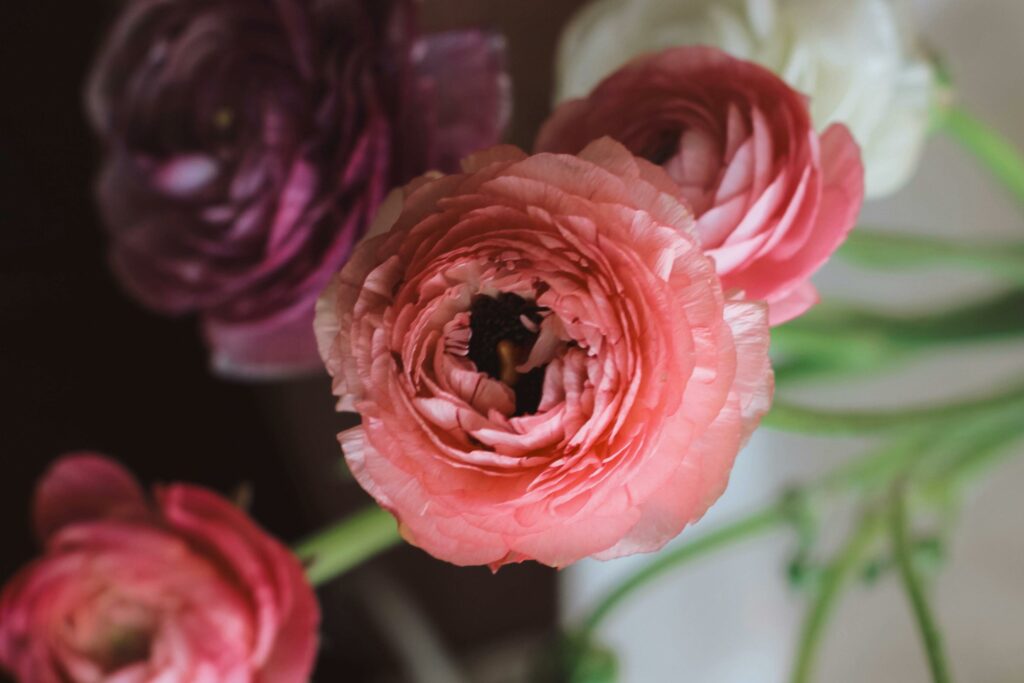

Hydrangeas are the most spectacular and the most unforgiving of all cut flowers. Master these techniques and they will last a week or more. Ignore them and you will have a vase of limp, papery disappointment within hours.
No flower inspires more passionate frustration than the hydrangea. Gardeners who have effortlessly grown entire hedgerows of them report bafflement when their cut stems collapse an hour after coming indoors. Professional florists speak of hydrangeas with a particular mixture of reverence and wariness. The same bloom that anchors a wedding arch with breathtaking grandeur can turn to a wilted wreck before the ceremony ends.
The reason hydrangeas are so temperamental as cut flowers comes down to a simple anatomical fact: they are enormous flowers on semi-woody stems, and they lose water through their petals at an extraordinary rate. A fully open hydrangea head can contain hundreds of individual florets, each one a small surface from which moisture is constantly evaporating. The flower is, in effect, a beautiful machine for losing water. Every technique in this guide is a response to that single underlying reality.
Get the care right, and these are genuinely rewarding cut flowers — lush, voluminous, and capable of lasting seven to ten days in a vase. Get it wrong, and no amount of remedial effort will save them.
The anatomy of the problem
Understanding why hydrangeas wilt so dramatically helps you understand why the remedies work.
Most cut flowers take up water almost exclusively through their stems. The xylem — the network of fine tubes running through the centre of the stem — draws water up by capillary action, and the flower uses it at more or less the rate it arrives. Cut the stem, keep the xylem clear, and the system works.
Hydrangeas are different in two important ways. First, their stems are semi-woody — more like a small shrub branch than a herbaceous flower stem. Woody tissue is significantly less efficient at drawing water than soft tissue, which means hydrangeas have to work harder to hydrate from the base. Second, and more critically, the flower heads themselves absorb water directly through their petals and sepals. This bidirectional water management is unusual, and it means that the petals can both gain and lose moisture rapidly depending on the humidity of the surrounding air.
When a hydrangea is placed in a warm, dry room — a common situation indoors, especially in winter with central heating — the petals lose moisture faster than the stem can replace it, and the flower wilts. The stem may be sitting in a full vase of water, and the flower still wilts. This is not a stem problem. It is a petal problem, and that distinction shapes every aspect of hydrangea care.
Buying and selecting hydrangeas
The best hydrangea care begins before you get home.
Choose the right stage. Hydrangeas are best purchased when the blooms are about two-thirds to three-quarters open. Fully open heads are beautiful but already approaching the end of their peak; partially open blooms give you more time. Avoid heads where the outer florets are beginning to feel papery or translucent at the edges — this is a sign of dehydration that is difficult to reverse.
Check the stem condition. The cut end of the stem should look fresh and pale, not dark, slimy, or heavily oxidised. A darkened stem end is a sign that the flower has been out of water or in stale water, which may have allowed the xylem vessels to become blocked.
Assess the foliage. Hydrangea leaves wilt very quickly when the plant is stressed, faster even than the flower head. If the leaves are already drooping when you buy the stems, the plant has been under significant water stress. Fresh hydrangeas should have firm, turgid leaves.
Buy from a source with high turnover. Hydrangeas are highly perishable and suffer badly if they have been sitting in a bucket for several days. A busy florist or market stall where stock moves quickly is far preferable to a slow-moving display.
Consider the variety. The most commonly available cut hydrangea is the mophead type (Hydrangea macrophylla), with its large, rounded heads. Lacecap hydrangeas have flatter heads with a ring of showy outer florets surrounding a cluster of smaller inner ones; they are more delicate and slightly shorter-lived as cut flowers. Panicle hydrangeas (Hydrangea paniculata), with their elongated, cone-shaped heads, are significantly more durable and easier to care for than mopheads — a practical choice if longevity is the priority.
Preparing hydrangeas for the vase
How you handle the stems in the first thirty minutes determines much of what follows.
Conditioning the stems
The first step is always to recut the stems. Use a sharp, clean knife — not scissors — and cut at least 2 to 3 cm from the end at a 45° angle. This alone is not enough for hydrangeas.
Because the stems are semi-woody, the standard angled cut leaves too little surface area for efficient water uptake. There are three approaches florists use to solve this, and they can be combined for difficult stems:
Crushing or hammering: Use the back of a heavy knife, a small hammer, or a rolling pin to smash the bottom 3 to 5 cm of the stem. The goal is to break up the woody tissue and massively increase the surface area in contact with water. This is the most reliably effective method for mophead hydrangeas.
Scoring or splitting: Use a sharp knife to make two or three vertical cuts up the bottom 3 to 4 cm of the stem, creating a cross-section of exposed channels. This works well in combination with crushing.
Boiling water conditioning: Fill a mug with just-boiled water and plunge the bottom 3 to 4 cm of the stem into it for 30 seconds. This heat treatment opens the xylem vessels and removes any air locks. Immediately transfer to deep, room-temperature water. This technique is particularly useful for stems that have been out of water for any length of time, or that are visibly struggling to take up water.
After preparing the stems, remove all foliage below the waterline. Any leaves submerged in the vase will rot rapidly and feed bacteria. More importantly for hydrangeas, remove most of the upper foliage too. The large leaves transpire enormous quantities of water and will compete directly with the flower head. Leaving one or two pairs of leaves near the top for aesthetics is fine, but stripping most of the foliage significantly extends bloom life.
The deep conditioning soak
Once stems are prepared, stand them in a deep bucket or tall vase of room-temperature water for at least two hours — ideally three to four — before arranging. This initial conditioning period allows the stems to take up a significant volume of water before they face the further challenge of a warm room. Professional florists typically condition freshly cut hydrangeas overnight.
Add flower food to the conditioning water. The sugar, acidifier, and biocide combination helps maximise water uptake during this critical period.
Water management in the vase
Water depth
Unlike tulips, which dislike deep water, hydrangeas need a generous volume of water at all times. Fill the vase to two-thirds or more. The large flower heads create significant evaporative demand, and the water level can drop noticeably over twenty-four hours.
Water temperature
Use room-temperature water for everyday maintenance. Warm water (around 35 to 40°C) is useful specifically when you want to encourage uptake quickly — for instance, when first conditioning stems or when reviving a wilting flower. Do not use cold water; it slows uptake and can shock stems that are already stressed.
Changing the water
Change the vase water completely every one to two days. Each time you change the water, recut the stems — this removes any oxidised or blocked portion of the xylem and restores efficient uptake. Clean the vase thoroughly at each change to prevent bacterial build-up. Even with the best care, bacteria accumulate in warm vase water quickly, and once the xylem becomes clogged with bacterial film, no amount of fresh water will help.
Flower food
Use commercial flower food in the vase water throughout the life of the arrangement. If you run out, a very dilute solution of lemon juice (to acidify the water and aid uptake) and a tiny amount of bleach (as a biocide) approximates the effect, though commercial preparations are more precisely balanced.
Misting: the most important and most neglected technique
Because hydrangeas lose water directly through their petals, surface hydration matters in a way it simply does not for other flowers. Misting the flower heads directly with clean water is not optional — it is one of the most effective things you can do to extend hydrangea life.
Use a fine-mist spray bottle filled with clean, room-temperature water. Mist the entire flower head — including the underside where possible — twice a day at minimum. In warm, dry conditions such as a centrally heated room in winter, mist three to four times daily.
Misting is especially important in the first twenty-four hours after cutting, when the flower is most vulnerable, and whenever the arrangement is in a location with low humidity or air movement.
Location: where you place hydrangeas matters enormously
Given that hydrangeas wilt primarily because of moisture loss from their petals, the environment you place them in is as important as anything you do to the stems.
Avoid heat sources. Keep hydrangeas well away from radiators, underfloor heating vents, wood-burning stoves, and sunny windowsills. Even indirect radiant heat accelerates evaporation from the petals.
Avoid air movement. Draughts from open windows, air conditioning units, ceiling fans, and even busy doorways all increase evaporation dramatically. A hydrangea placed near an air conditioning vent will wilt within hours regardless of how well the stems have been prepared.
Choose a cool, humid position. A north-facing room, a bathroom, or a kitchen away from the hob are ideal. Bathrooms in particular tend to have higher ambient humidity, which is genuinely beneficial. If your home is very dry — common in winter with central heating — placing a bowl of water near the arrangement or running a humidifier in the room makes a measurable difference.
Avoid direct sunlight. Unlike some flowers that benefit from light, hydrangeas last significantly longer in a shaded or softly lit position. Direct sun through a window will cause visible wilting within a couple of hours.
Cool overnight storage. Moving your hydrangea arrangement to a cool room, utility room, or unheated hallway overnight is one of the single most effective ways to extend their life. The drop in temperature dramatically slows their rate of water loss and bacterial growth in the vase. Even moving them from a warm living room to a cool kitchen makes a noticeable difference over the life of the arrangement.
Reviving wilted hydrangeas
Hydrangeas wilt suddenly and completely, which is alarming when you first encounter it. The good news is that a wilted hydrangea is often entirely recoverable, provided the stem itself has not been blocked for too long.
The full submersion method
This is the most powerful revival technique and works reliably on hydrangeas that have wilted within the previous twelve hours.
Fill a sink, large bowl, or bath with cool to room-temperature water. Submerge the entire hydrangea — stem, leaves, and flower head — completely beneath the surface. Weigh it down gently if it floats. Leave it submerged for thirty minutes to two hours, depending on how severely wilted it is.
The flower head rehydrates directly through its petals during submersion, which is far faster than stem uptake alone can achieve. When you remove it, you will often find the bloom has recovered to near its original state. Immediately recut the stem, and return the flower to fresh water in the vase.
This technique works best in the earlier stages of wilting. A flower that has been wilted and dry for many hours — particularly in warm conditions — may have suffered cell damage that is not recoverable.
The hot water shock method
Recut the stem under water, then plunge the bottom 5 cm into a mug of just-boiled water for sixty seconds before transferring immediately to a deep vase of room-temperature water. Place the vase somewhere cool. This combines the benefits of heat-opened xylem vessels with the cooling, rehydrating effect of deep water.
The overnight rehydration method
For flowers that are moderately wilted but not severely so, recut the stems, place them in a tall vase or bucket filled to the brim with cool water, and leave them in a cool, dark room overnight. The combination of deep water, low temperature, and reduced evaporation in the dark often achieves a near-complete recovery by morning.
Hydrangeas as dried flowers
One of the more useful things to know about hydrangeas is that they dry beautifully, and allowing them to dry in the vase — rather than discarding them when they pass their fresh peak — is an excellent outcome.
The best time to begin the drying process is when the blooms are past their freshest but before they have collapsed from dehydration. This is typically after five to seven days in the vase, when the petals have begun to feel slightly papery but the flower head still holds its shape. At this point, remove the stems from the vase and allow them to stand in an empty vessel or hang upside down in a warm, dry room.
Dried hydrangeas retain their shape and much of their colour for months. Pale pink, mauve, and green varieties tend to dry most attractively, often developing a dusty, antique quality that is highly desirable in dried arrangements.
To accelerate the drying process and preserve the colour more vividly, some florists use glycerine solution: mix one part glycerine with two parts warm water, recut the stems, and stand them in this mixture for several days before air drying. The glycerine is absorbed into the flower tissue and prevents the brittleness that can come with simple air drying.
Seasonal and variety-specific notes
In summer, when rooms are warmer and ambient humidity varies more widely, hydrangeas need more frequent misting and water changes. Garden-grown hydrangeas that you cut yourself tend to have much stronger, more efficient stems than commercially grown cut flowers — garden stems have adapted to the plant’s full demand and typically outlast florist stock significantly.
In winter, central heating creates an unusually dry, warm environment that is hostile to hydrangeas. The combination of low humidity and warm air is the worst possible scenario. Misting frequency should be increased, and overnight cool storage becomes particularly important.
Panicle hydrangeas (Hydrangea paniculata — varieties such as Limelight and Quick Fire) are considerably more tolerant than mopheads. Their stems are more efficient at drawing water, their smaller individual florets lose moisture more slowly, and they are notably more resistant to wilting. If you find standard hydrangeas consistently difficult, panicle varieties are a reliable alternative.
Garden cutting tips: If you are cutting hydrangeas from your own garden, cut in the early morning when the plant’s water pressure is highest and the air is cool. Bring a bucket of water into the garden and plunge the stems immediately upon cutting — even a few minutes of exposure to air can cause xylem blockage that leads to wilting later. Cut garden stems longer than you need; you can always shorten them later, and longer stems have more capacity to draw water.
The one-minute hydrangea checklist
Before placing any hydrangea arrangement, run through these points:
- Stems hammered or split and recut at 45°, not just angled
- All submerged foliage removed; most upper foliage stripped
- Vase at least two-thirds full with room-temperature water and flower food
- Arrangement positioned away from heat, draughts, and direct sun
- Misting bottle nearby and scheduled for at least twice daily
- Cool overnight location identified in advance
Follow these steps consistently and hydrangeas — the most demanding of all cut flowers — become one of the most rewarding.
The hydrangea’s notorious reputation for difficulty is entirely deserved, and entirely surmountable. It is a flower that asks more than most, but gives back more than almost any other. A well-cared-for hydrangea arrangement is one of the most generous things you can put in a room.