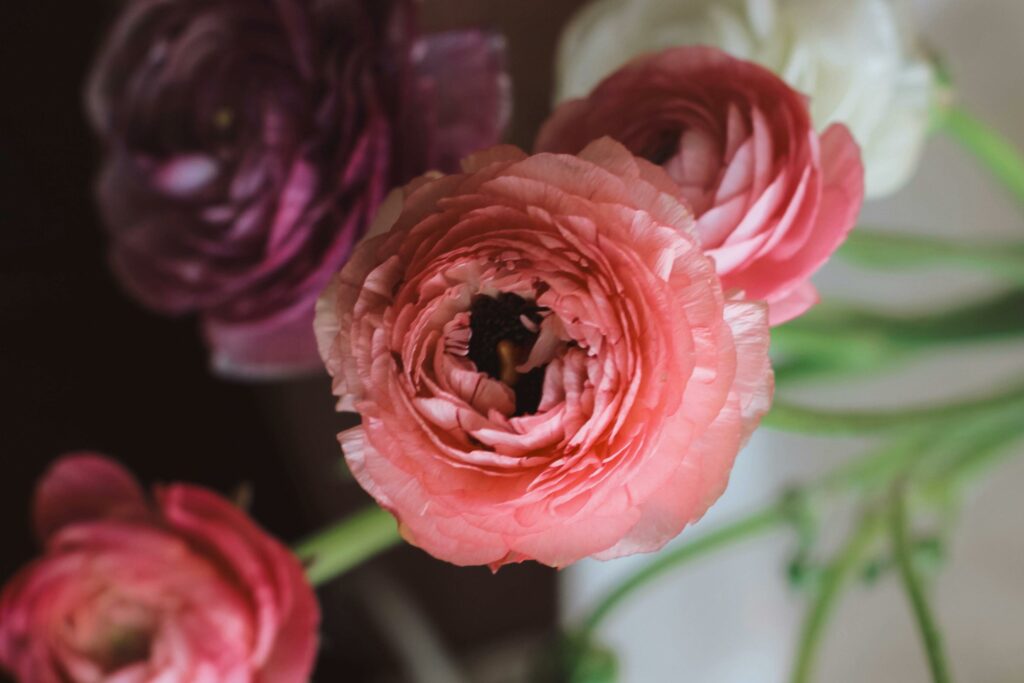

A vast, sun-scorched land between towering mountain ranges harbors one of the world’s most surprising floral kingdoms — where roses have been grown, harvested, and transformed into some of the most prized aromatic oils on earth for centuries.
A Sea of Pink at Dawn
Before the sun clears the eastern ridgeline of the Tianshan mountains, before the heat of the day begins its relentless work, the pickers are already moving through the fields. They wear wide-brimmed hats and cloth wraps over their forearms, and they work quickly, fingers trained to a rhythm that feels more like music than labor. The blossoms they seek are open — not fully, never fully — held in that precise moment of early-morning unfurling when the aromatic compounds are at their most concentrated, when a single petal pressed between two fingers releases a wave of scent so dense and complex it seems to contain entire seasons.
All around them, as far as the terrain allows, roses bloom in colors that shift from the palest blush to the deepest fuchsia, rank upon rank upon rank of them, filling every available patch of irrigated earth between the gravel fans at the mountains’ feet and the ancient towns that have sat at these crossroads since long before anyone thought to write their names down. The air is not merely fragrant. It is thick, almost edible, a sweetness layered over something green and slightly resinous, over the faint mineral scent of alkaline soil and snowmelt water, over the woodsmoke from early fires in nearby farmsteads.
This is the Ili River Valley, a broad, fertile trough carved through the heart of Central Asia by glacial and tectonic forces over millions of years, now cradled between the northern and southern ranges of the Tianshan. This is Xinjiang — the “New Territories,” as the name translates — China’s vast northwestern autonomous region, larger than Western Europe, a landscape of almost incomprehensible geographic and ecological diversity. And this, specifically, is one of the most important rose-growing regions on earth: a place where the cultivation of the flower, deeply embedded in local tradition and economy, has been quietly producing some of the finest floral ingredients in the global perfume and food industries for generations.
The pickers’ baskets fill quickly. By mid-morning, when the sun has climbed high enough to warm the petals and begin the chemical cascade that will diminish their aromatic value, the harvest is done. Trucks loaded with blossoms roll toward the distillation facilities along dirt roads that parallel ancient irrigation channels. The season lasts only three to four weeks. Everything that matters, here, happens in a rush of ephemeral perfection.
Part One: Geography of a Floral Kingdom
To understand why roses grow so magnificently in Xinjiang, you must first understand the land itself — a proposition that requires something close to geological patience, because this land is anything but simple.
Xinjiang occupies the very center of the Eurasian continent, farther from any ocean than almost any other place on earth. Covering approximately 1.66 million square kilometers, it accounts for roughly one-sixth of China’s total land area. Within those borders, the terrain encompasses some of the most dramatic contrasts on the planet: the Taklamakan Desert, one of the largest sand deserts in the world, where summer temperatures exceed 50 degrees Celsius; the Turpan Depression, a basin that sits 154 meters below sea level and ranks among the hottest places in Asia; and the Tianshan range, whose peaks include glaciated summits rising above 7,000 meters, feeding rivers and streams that make agricultural life possible along their flanks and in their intermontane valleys.
It is these intermontane valleys — the Ili in particular, but also the Fergana-adjacent valleys near Kashgar and the corridors around Aksu and Kuqa — that provide the specific microclimate conditions under which the cultivated rose thrives with such unusual intensity.
The Ili Valley stretches roughly 360 kilometers east to west, bounded by the Northern Tianshan and the Trans-Ili Alatau ranges. Its floor sits at elevations between 500 and 1,500 meters above sea level. The valley opens to the west, allowing it to receive rare moisture from Atlantic air masses that have crossed thousands of kilometers of steppe — a climatic anomaly in a region otherwise defined by continental dryness. Annual precipitation in parts of the Ili Valley reaches 300 to 600 millimeters, extraordinary by Central Asian standards, creating conditions lush enough to support wild fruit forests of apple, apricot, walnut, and wild rose that are considered among the last significant examples of their kind anywhere on earth.
The wild roses of the Ili Valley — primarily Rosa rugosa, Rosa platyacantha, and various local species and natural hybrids — have been growing in these hills since before human memory. They blanket the lower mountain slopes in dense thickets, exploding into bloom each May and June in riots of white, pale yellow, and pink that can be detected from considerable distances. These wild populations are not the roses of cultivation; their petals are fewer, their fragrance more diffuse, their growth habits tangled and unruly. But they represent the deep botanical foundation upon which a carefully tended cultivated industry was eventually built.
The Kashgar region, in the far southwest of Xinjiang, presents a different but equally compelling set of conditions. Here, the land is technically part of the Tarim Basin, one of the world’s largest inland drainage basins, rimmed by the Karakoram and Pamir ranges to the west and south, and by the Tianshan to the north. The oasis towns of this region — Kashgar, Yarkand, Khotan — owe their existence entirely to rivers fed by glacial melt, rivers that carry snowmelt water across the gravelly desert fans and distribute it through intricate systems of irrigation channels (karez) that were engineered by human hands over millennia.
In Kashgar’s immediate surroundings, and especially in the satellite oasis towns, the cultivated damask rose — Rosa damascena — has found a habitat of almost uncanny suitability. The summers are long and intensely hot, the winters cold but manageable, and the irrigation water — alkaline, mineral-rich, arriving in measured quantities — seems to produce a flower of exceptional fragrance concentration. Growers here will tell you that the heat of the Kashgar summer, combined with the sharp diurnal temperature swings (days of 35 degrees Celsius dropping to 18 or 20 at night), forces the plant to concentrate its defensive and reproductive chemistry in ways that a milder climate never could. Whether or not this folk botany is scientifically precise, the results are measurable: the aromatic oil extracted from Kashgar damask roses is, by several metrics, among the most complex and highly valued produced anywhere.
Between these two primary rose-growing zones — the Ili Valley in the north and the Kashgar basin in the southwest — Xinjiang’s rose landscape is further diversified by smaller cultivation pockets in the Turpan Basin (where a different set of heat-adapted varieties has developed), in the valleys near Yili prefecture, along the Kaidu River corridor, and in upland villages throughout the Tianshan foothills where small-scale family cultivation feeds local markets for fresh petals, dried flowers, rose water, rose jam, and medicinal preparations.
The total area under rose cultivation in Xinjiang has been estimated at somewhere between 20,000 and 40,000 hectares, though precise figures are difficult to establish given the blend of large commercial operations and countless small family plots. What is not in dispute is that this region represents one of the most significant concentrations of rose cultivation anywhere in the world, comparable in scale and importance — though very different in character — to the famous Vallée des Roses in Morocco’s Dadès Valley, the rose fields of Isparta province in Turkey, and the historic Kazanlak Valley in Bulgaria.
Part Two: The Taxonomy of Beauty — Which Roses Grow Here
Not all roses are equal in the aromatic calculus, and the roses of Xinjiang are not a single variety but a mosaic of species, cultivars, and locally adapted forms that have been selected, crossed, and refined over centuries of observation and cultivation.
The most commercially significant is Rosa damascena, the damask rose, whose origins remain a subject of botanical debate but whose presence along ancient Silk Road corridors is unambiguous. This is a shrub of considerable vigor, growing to 1.5 to 2.5 meters under good conditions, with thorny, arching canes that emerge from a central crown in a dense, fountain-like form. Its flowers appear once per year, in late spring, in clusters of semi-double blossoms — typically between 25 and 35 petals per flower — of the palest pink, almost white at the petal edges, deepening slightly toward the center. The fragrance is the definition against which all other rose fragrances are measured: rich, warm, complex, simultaneously sweet and slightly spicy, with an underpinning of something almost honeyed.
In Xinjiang’s Kashgar region, the damask rose is typically called “guili” in local usage, a term that has come to encompass several related varieties cultivated in the region. The Kashgar damask differs subtly from its Turkish and Bulgarian cousins in ways that experienced noses can detect in the oil: there is a slight earthiness, a mineral quality, that growers and distillers attribute to the alkaline irrigation water and the specific soil chemistry of the Tarim Basin alluvial fans.
In the Ili Valley, a different rose dominates the landscape of cultivation, though it too is considered a variety of Rosa damascena in most botanical classifications. Local names for this variety vary by community — it is sometimes called the Ili rose or the Xinjiang rose — and it has been grown in the valley for long enough that many growers consider it essentially indigenous, though it almost certainly arrived via trade and human movement along the Silk Road centuries ago. This variety is more robust than the Kashgar damask, better adapted to the wetter, slightly cooler conditions of the Ili valley, and produces a flower with slightly more petals and a somewhat different aromatic profile — more green, more fruity — that is highly valued by perfumers seeking specific top notes.
Rosa rugosa, the rugose rose, is the third major cultivated species and grows primarily in the northern Xinjiang counties adjacent to the Altai foothills and along the banks of the Ili River itself. This is a far more cold-hardy plant than the damask rose, capable of surviving temperatures that drop to minus 30 or below, making it the rose of choice for the northernmost growing zones. Its flowers are larger and simpler than the damask’s — five broad, crinkled petals in vivid pink or magenta surrounding a prominent cluster of yellow stamens — and its fragrance is strong but different: more spicy, more camphoraceous, less classically “rosy” in the way that Western perfumery has historically defined that quality. Rosa rugosa is also the species most commonly harvested for its hips — the large, fleshy, vitamin C-rich fruits that follow the flowers — which are a significant product in their own right, used in traditional medicine, in food products, and increasingly in nutraceuticals and cosmetics.
There are also numerous local cultivars and selections whose names and characteristics vary by village and valley, the products of generations of informal plant selection by farmers who kept the seedlings that smelled best, flowered most abundantly, or survived the harshest winters. Some of these local varieties are now the subject of scientific interest, as researchers at agricultural stations in Urumqi and Kashgar attempt to characterize their genetics and aromatic profiles before the informal diversity is lost to the homogenizing forces of commercial cultivation.
Finally, the region grows various ornamental and hybrid roses, including modern hybrid teas and landscape varieties, but these are of minimal commercial significance in the aromatic and food industries. They are grown in parks, along roadsides, and in home gardens for their visual appeal — Xinjiang’s towns and cities are adorned with roses in great profusion during the flowering season, a tradition of civic horticulture that runs deep in local culture — but their petals lack the high aromatic oil content of the traditional cultivated varieties.
Part Three: The Long Road from the West — Historical Origins
How did the rose come to Xinjiang? This is a question with no single answer, because the flower’s presence in the region is the product of multiple, overlapping waves of botanical and cultural transmission across centuries and thousands of kilometers. It is a story inseparable from the story of the Silk Road itself.
The Silk Road — that network of overland and maritime trade routes connecting East Asia to the Mediterranean — was not primarily a road for silk. It was a conduit for everything that human beings have ever found worth exchanging: spices, metals, textiles, technologies, religions, diseases, languages, animals, and plants. Along its corridors moved Buddhism and Islam, horses and camels, glass and paper, cotton and peaches, gunpowder and printing. And somewhere in this vast flow of material and cultural exchange, the rose traveled east.
The damask rose is believed to have originated in the region of present-day Syria and Turkey, where wild roses of the Rosa moschata and Rosa gallica types may have hybridized to produce the distinctive form we recognize today. By the time of the ancient Persian empire, rose cultivation was already well established throughout the Iranian plateau and into Central Asia. The famous rose gardens of Persia — detailed in poetry, celebrated in philosophy, depicted in miniature painting — were not merely ornamental. They were productive enterprises, the roses harvested for their petals which yielded through steam distillation the extraordinarily valuable rosewater and attar of roses.
Persian culture and Persian botanical knowledge spread east along the Silk Road in tandem with trade and with the expansion of Islam from the seventh century onward. The oasis towns of Central Asia — Samarkand, Bukhara, Merv, Kashgar, Khotan — absorbed Persian horticultural traditions along with Persian architecture, Persian mathematics, and Persian poetry. Rose gardens became a feature of the great Islamic cities of the Silk Road, and the practical knowledge of cultivation, harvest, and distillation traveled with the cultural template.
Kashgar, sitting at the far eastern edge of the Islamic cultural sphere, at the junction of the routes that led north over the Tianshan, south over the Karakoram, and east into the Han Chinese heartland, was a natural receptor of these traditions. Its oasis landscape, dominated by the sophisticated irrigation systems of the Uyghur and their predecessors, was already given to intensive cultivation of fruit trees, melons, grapes, and cotton. Adding the rose to this productive landscape was a natural extension of existing horticultural sophistication.
Historical records are fragmentary, but Chinese sources from the Tang Dynasty (618-907 AD) mention the importation of roses and rosewater from Western regions, suggesting that by the early medieval period, the rose’s commercial and aromatic value was already recognized in the trade networks that crossed Xinjiang. By the Song Dynasty (960-1279), Chinese pharmaceutical and horticultural texts document the use of rose petals from “Western regions” in medicines and cosmetics, and the growing of roses in Chinese gardens more broadly.
The Mongol empire, which in the thirteenth century united an unprecedented swath of Eurasia under a single political authority, created conditions of unusual commercial freedom along the Silk Road corridors, and this era likely facilitated another wave of botanical exchange. It is probably during or shortly after the Mongol period that cultivated damask roses became established in the Ili Valley — a region that the Mongols knew well, having pastured their horses on its rich grasslands, and that was subsequently settled by a succession of Turkic and other peoples whose horticultural traditions were themselves continuations of the Persian and Central Asian botanical inheritance.
By the time of the Timurid Renaissance in the fifteenth century — a flowering of art, architecture, and intellectual life centered in Samarkand and Herat — the rose was so thoroughly embedded in the cultural landscape of Central Asia that it had become a symbol as much as a plant: the defining image of beauty, transience, and divine perfection in the Persian and Turkic poetic traditions that dominated the region’s literary life. The poetry of Rumi, of Hafez, of Navoi is saturated with roses — the rose of the garden, the rose as the beloved, the rose as the soul in its relation to God. This symbolic freight was not separate from practical cultivation; it drove demand, invested the flower with cultural prestige, and ensured that communities would continue to grow it even when the economics might otherwise have argued for other crops.
Among the Uyghur people, who have been the primary inhabitants of the oasis towns of the Tarim Basin for over a thousand years, the rose became — as it did throughout the Islamic world — an essential element of garden culture, domestic life, cuisine, medicine, and ceremony. Rose water was used to purify the hands before prayer, to flavor the delicate rice dishes that are the foundation of Uyghur cuisine, to scent the rooms of brides before weddings, to treat eye inflammations and headaches in the healing traditions of the village hakim. Dried rose petals were mixed with other herbs in medicinal preparations; rose jam was made in early summer and preserved for use through the year; rose-flavored candies and pastries were the markers of festive occasions.
This deep cultural integration means that rose cultivation in Xinjiang has never been purely a commercial enterprise. It is woven into the social fabric of communities in ways that have sustained it through economic upheavals, climatic variations, and the disruptions of political change. The rose has been grown here not merely because it is profitable — though it is — but because it is part of what it means to live in these particular valleys, to be part of these particular communities.
Part Four: The Science of Scent — Understanding the Aromatic Rose
To understand why the rose is economically important — why distillers and perfumers prize Xinjiang’s flowers and why the harvest each May and June is treated with the urgency of a gold rush — it helps to understand something of the biochemistry that makes a rose fragrant and the extraordinary concentration of chemistry required to produce aromatic oil.
Rose fragrance is not a single compound but a symphony of hundreds, and the specific blend differs between species, varieties, growing conditions, and even individual plants. The primary aromatic constituents of Rosa damascena oil include geraniol, nerol, linalool, citronellol, and phenylethyl alcohol — all terpene or terpene-derived compounds that the plant produces as secondary metabolites, substances whose function is not primary metabolism but interaction with the environment: attracting pollinators, repelling herbivores, communicating with other plants, perhaps even modulating the plant’s own internal chemical signaling.
The volatility of these compounds — their tendency to evaporate and enter the air as vapor — is what creates the experience of fragrance. And their volatility is also what makes the harvest window so critical. As the temperature rises during a summer morning, the light compounds begin to evaporate from the open petals. By mid-morning, a meaningful proportion of the most delicate top notes are already gone. By noon, a rose that was exquisitely fragrant at dawn has become merely pleasant. This is why every experienced rose grower in Xinjiang will tell you, without hesitation, that the harvest must happen between three and ten in the morning — and that within that window, earlier is better.
The production of aromatic oil from rose petals is staggeringly inefficient in volumetric terms. Producing a single kilogram of pure rose absolute — the concentrated aromatic extract — requires between three and five metric tons of fresh rose petals. This is not a typo. Three to five thousand kilograms of petals, hand-harvested and distilled within hours of picking, to yield a single kilogram of oil. The arithmetic of this ratio goes a long way toward explaining why pure rose oil is one of the most expensive aromatic substances in the world, trading at prices that can exceed ten thousand US dollars per kilogram for premium varieties.
The distillation process itself is ancient in principle, though modern operations have refined it significantly. Steam distillation — passing steam through a packed mass of fresh petals, then condensing the steam and separating the oil that rises to the surface of the water — is the primary method. It produces two products: the rose oil itself (attar of roses, or rose otto), which is a waxy, yellowish-white substance at room temperature and liquefies at body heat; and rose water, the fragrant aqueous byproduct that carries water-soluble aromatic compounds and has its own substantial commercial value.
A second method, solvent extraction, is used to produce rose concrete and rose absolute — forms of the aromatic material with somewhat different chemical profiles, preferred for certain applications in perfumery and cosmetics. In this process, the petals are washed with a solvent (typically hexane) that extracts the aromatic compounds along with waxes and pigments; the solvent is then evaporated to yield the concrete, which can be further processed with alcohol to produce the absolute.
In Xinjiang’s major production zones, both methods are used, often by the same operation for different markets. The steam-distilled otto is generally preferred for the highest-grade perfumery applications and commands the highest prices. The absolute and concrete are more widely used in food flavorings, cosmetics, and lower-end perfumery. Rose water from Xinjiang production is sold into both domestic and export markets for use in cooking, cosmetics, and traditional medicine.
The quality of Xinjiang rose oil is measurable and verifiable by chemical analysis. Gas chromatography and mass spectrometry allow precise characterization of the aromatic compounds in a sample, and the profiles of Xinjiang oil — particularly from the Ili Valley and Kashgar operations — consistently show the high citronellol and geraniol content that the global perfume industry associates with premium quality. Several European perfume houses that source globally have confirmed Xinjiang as one of their preferred origins for certain aromatic profiles, though the commercial relationships involved are rarely publicized.
The factors that contribute to this quality are understood at least in part. The intense sunlight of the Xinjiang growing regions — more hours of sunshine per day than most rose-producing areas in the world, reflecting the continental interior location — promotes the synthesis of aromatic compounds within the petals. The alkaline, mineral-rich soil that characterizes the alluvial plains around Kashgar seems to influence the aromatic profile in ways not fully understood. The cold winters that force the plants into deep dormancy may promote root development and plant vigor in ways that ultimately enhance flower production and quality. And the specific genetic heritage of Xinjiang’s traditional varieties, shaped by centuries of selection for aromatic quality, produces plants that are simply better suited to this purpose than modern commercial alternatives.
Part Five: The Calendar of the Rose — A Year in the Fields
The life of a rose farmer in Xinjiang is governed by a calendar whose rhythms have been set by the plant itself over centuries of cultivation — a calendar that compresses the most intense and demanding work into a very short harvest window while distributing the rest of the year’s labor across the other seasons in ways that allow the same farmers to grow other crops, tend animals, and maintain the complex irrigation infrastructure on which all agriculture in this landscape depends.
Winter in the rose fields is a time of bare canes and frozen ground. Depending on the region, the dormant period extends from November or December through March or April, and the cold that settles over the Ili Valley or the Kashgar oasis in January — temperatures regularly dropping below minus 20 Celsius in the north — is absolute enough to kill unprepared plants. In the colder growing zones, mature rose bushes are sometimes mounded with soil around their crowns before the onset of hard frost, a practice that insulates the crown and the base of the canes against the lowest temperatures. In the milder areas, established plants are simply allowed to experience the cold, which they tolerate well once they have hardened off in autumn.
This winter cold is not the enemy of rose cultivation; it is, in an important sense, its prerequisite. The chilling requirement of Rosa damascena — the number of hours at temperatures below 7 degrees Celsius necessary for the plant to complete dormancy and initiate proper spring growth — is estimated at 600 to 800 hours in most varieties. The winters of Xinjiang’s rose-growing valleys provide this requirement with considerable margin. Without adequate chilling, rose plants fail to flower properly, producing vegetative growth at the expense of blooms, or flowering erratically and incompletely. The harsh winters are, paradoxically, part of what makes the harvests so abundant.
Spring arrives in the Ili Valley in March or April, often dramatically — a rapid transition from frozen ground to riotous green as snowmelt replenishes the irrigation channels and temperatures begin their rapid climb. The rose bushes respond quickly, pushing new growth from their dormant crown buds, unfurling leaves of a vivid, slightly bluish green in the case of the damask varieties, glossier and darker in the rugosa. This early growth period is when farmers apply the first of the year’s fertilizations — traditionally manure from their animals, applied to the soil around the crown and worked in gently — and when the winter mounding, where it was applied, is carefully removed.
April is a month of growing anticipation in the rose-farming communities. The plants are visibly building toward flower, the canes lengthening, the first flower buds appearing in clusters at the tips of new growth and on the short spurs that develop from older wood. The irrigation channels are cleared and opened, allowing the first measured flows of water to reach the fields. Weeding begins in earnest — a hand-intensive task in these small, densely planted fields where the tight spacing of the bushes and the desire to avoid damaging their shallow roots precludes mechanical cultivation.
The blooming begins — quietly at first, with isolated flowers opening on the most vigorous plants and in the most sheltered spots — around late April or early May in the Kashgar region, somewhat later in the cooler Ili Valley, where full bloom typically arrives in May or June. And then, in a matter of days, the landscape transforms. Fields that were green with foliage become pink, the color spreading and deepening as more plants reach their peak, until the visual effect from any elevated vantage point is of continuous color spreading across the irrigated land, interrupted only by the lines of the irrigation channels, the paths between field blocks, and the darker green of the fruit trees that in many areas share the fields with the roses.
The harvest window is the axis around which everything else in the farming year turns. It lasts, as noted, three to four weeks — sometimes less, if the weather shifts quickly. In a hot year, when spring temperatures climb rapidly after a cold winter, the window may compress to barely two weeks: a fact that causes considerable anxiety among growers, who watch the weather forecasts with the intensity of sailors preparing for a storm.
During the harvest, the fields are staffed from before dawn. Work begins at three or four in the morning, with pickers carrying lanterns or headlamps among the rose rows, their fingers finding the open blooms by touch as much as sight. The blooms are pulled free with a practiced motion — not cut, but plucked, the flower separated from its receptacle with a slight twisting movement that leaves the hip-forming base on the plant — and dropped into collecting baskets or bags tied at the worker’s waist. An experienced picker can harvest 15 to 25 kilograms of fresh petals per hour in a peak field; a slower worker or one dealing with lighter flowering might manage 8 to 12.
The baskets are consolidated into large sacks or bins and transported as quickly as possible to the distillation facility. Time is the enemy: every hour that passes between picking and processing represents a loss of aromatic quality as the petals begin to heat, ferment slightly, and release their most volatile compounds. In the large commercial operations, transport to the distillery is by tractor-drawn wagon or small truck, with processing beginning within two to four hours of harvest. In smaller farm operations, the petals may be processed on-site using village-scale distillation equipment that has changed relatively little in fundamental design over centuries, though modern materials have replaced copper with stainless steel and improved efficiency and cleanliness considerably.
After the harvest peak passes — when the proportion of open blooms begins to decline and the remaining buds will not open simultaneously enough to justify the labor of full picking teams — the fields transition to post-harvest management. The plants are pruned, typically in late summer or early autumn, cutting back the flowered canes and shaping the crowns for the following year’s growth. In the Kashgar region, this pruning is combined with the application of compost and a late-season irrigation to promote root growth before dormancy. Soil sampling and analysis guide fertilization decisions in the most technically sophisticated operations.
The final task of the agricultural year, before winter sets in, is the inspection and repair of the irrigation infrastructure — the channels, sluices, and distribution pipes — that makes the entire enterprise possible. In a landscape where water is the limiting factor for all life, the management of irrigation is not a secondary concern but the primary one, and the communities around the rose fields have elaborate systems of water allocation, collective maintenance, and shared infrastructure that have evolved over centuries to manage this critical resource.
Part Six: Water and Stone — The Infrastructure of Oasis Agriculture
No discussion of rose cultivation in Xinjiang can proceed far without confronting the central fact of oasis agriculture: everything depends on water, and water in this landscape is never guaranteed, always precious, and always the product of immense human effort.
The irrigated fields around Kashgar exist because of rivers — the Kashgar River, the Ghez River, the Yarkand River — that descend from the glaciers and snowfields of the Pamir and Karakoram ranges. These rivers are fed by an ancient and diminishing capital of frozen water stored in the mountains, supplemented by seasonal snowmelt, and they flow with an urgency that reflects the steepness of the terrain they descend. By the time they reach the alluvial fans where the oasis towns have grown, the rivers have been captured, divided, and redistributed through networks of channels (in Uyghur: ariq, plural ariqlar) that in some cases were first constructed two thousand or more years ago.
The karez system — an underground irrigation technology that uses gravity to conduct water from the water table beneath an alluvial fan to the surface at a lower elevation, avoiding the evaporative losses that plague open channels in a desert climate — is one of the great engineering achievements of Central Asian civilization. Xinjiang has thousands of karez, many of them still functional after centuries of use, and in some of the more arid rose-growing areas around Kashgar, karez water is the primary irrigation source for the fields. Walking across a field irrigated by karez water, you become aware of the faint sound of water moving underground, and if you follow one of the lines of vertical shafts that mark the karez route above ground, you can hear it more clearly: a quiet, steady flow that has moved through the earth perhaps since before the Silk Road merchants first passed this way.
In the Ili Valley, the water situation is somewhat different and, by Xinjiang’s standards, generous. The Ili River itself — one of the few rivers in Central Asia that flows not into an interior basin but all the way to an external water body, the Balkash Lake in Kazakhstan — carries water throughout the year, fed by snowmelt and glacial runoff from the Tianshan ranges on either side of the valley. The valley floor is intersected by numerous tributaries, and the water table is high enough in many areas to support productive agriculture without the intensive artificial lifting required in the desert oases to the south.
Yet even here, water management is a collective enterprise of considerable sophistication. The traditional water allocation systems of the Ili Valley involve precise timing — each farmer’s field receives irrigation water at a specified time of day, for a specified duration, according to an allocation that reflects the field’s size and the crop’s water requirements. Violation of these allocations — taking water out of turn, blocking channels, failing to maintain one’s section of the shared infrastructure — is a serious social transgression in these communities, a matter with implications beyond the economic into the moral.
For the rose specifically, the irrigation management is nuanced. Rosa damascena is, in the context of Xinjiang’s cultivated plants, relatively drought-tolerant — it is, after all, a plant adapted to the semi-arid lands of the Middle East and Central Asia. Over-irrigation is actually harmful, leading to excessive vegetative growth, reduced flowering, and increased disease pressure. The general principle guiding irrigation of the rose fields is to provide enough water to prevent water stress during the critical growth and flowering period, while avoiding the waterlogged conditions that would compromise the plants’ health and aromatic quality.
The spring irrigation, timed to support the rapid growth before flowering, is the most important. A generous pre-flowering irrigation, applied as the buds are forming, ensures that the plants have adequate moisture to support full flowering and maximizes the weight and aromatic concentration of the petals. After the harvest, irrigation is reduced, allowing the plants to harden off for winter. In drought years — and they occur with disquieting regularity in this region — the competition for irrigation water between rose fields, cotton fields, fruit orchards, grain crops, and the needs of livestock and households becomes acute, and the decisions about allocation have direct consequences for the aromatic quality and yield of the harvest.
Climate change is increasingly relevant here. The glaciers that feed the rivers of the Tarim Basin and the Ili Valley are in measurable retreat. In the short term, this actually increases river flow as accelerated melting releases more water; but in the longer term, the diminishment of glacial ice volume means that the summer flows that have sustained oasis agriculture for millennia will eventually decline. Agricultural scientists and water management experts are aware of this trajectory, and there is active research into drought-resistant rose varieties, more efficient irrigation methods, and water-pricing mechanisms that might help allocate declining water supplies more equitably.
The karez system faces its own challenges. Many of the traditional underground channels, maintained for generations by the collective labor of the communities that depended on them, are falling into disrepair as populations shift and the collective labor systems that maintained them weaken. There is growing interest — from both local authorities and international development organizations — in documenting, preserving, and in some cases rehabilitating karez systems as part of a broader commitment to maintaining the agricultural heritage of the oasis landscape. For rose cultivation, whose most distinctive products are tied to specific micro-territorial conditions, the maintenance of the traditional irrigation infrastructure is not merely a matter of agricultural efficiency but of cultural and biological heritage.
Part Seven: The Distillery — Fire, Steam, and the Alchemy of Fragrance
Stand inside a working rose distillery in Xinjiang during the harvest season and your senses will be overwhelmed long before your mind has had time to process what you are observing. The smell is the first thing: a dense, humid cloud of fragrance that hits you at the door and wraps itself around you immediately, so concentrated that the experience is closer to immersion than to mere detection. The rose scent is present in its fullness — not a single note but dozens simultaneously, the bright citrus-forward top notes and the warm, honeyed heart notes and the slightly woody, resinous undertones — amplified by the heat of the steam and the moisture in the air until it seems to have physical substance.
The sight is of controlled industrial process: large stainless steel vessels, each holding several hundred kilograms of fresh petals packed in tightly, connected by pipes and valves to steam generators and condensers. Workers move purposefully, monitoring gauges, feeding petals into the vessels, adjusting flows. The sounds are of steam hissing through pipes, of water dripping from condensers into collection vessels, of the subdued industrial rhythms of a facility working at its seasonal maximum capacity.
Modern distilleries in Xinjiang’s rose-growing regions have evolved considerably from the copper pot stills that their predecessors used — and that some small-scale producers still use for tradition and the subtle flavor differences that copper is said to impart. The basic technology is unchanged: fresh petals are loaded into a still, steam is passed through them, the steam extracts the volatile aromatic compounds, the steam-plus-aromatics mixture is conducted to a condenser where it liquefies, and the condensate — a mixture of rose water and a tiny proportion of aromatic oil — is collected in a separator vessel where the oil, being less dense than water, floats to the surface and is drawn off.
The process requires careful attention at every stage. The quality of the petals is paramount: damaged, diseased, or over-mature petals will yield inferior oil and may introduce off-notes that degrade the product. This is why the harvest speed is so important — petals left too long before processing begin to ferment slightly, developing microbial off-notes that no amount of distillation can remove. Large distilleries in Xinjiang have invested in refrigerated holding facilities that allow petals to be held at low temperature for a few hours if necessary, extending the practical harvest window and allowing better management of the processing bottleneck.
The loading of the stills is itself a skilled operation. The petals must be packed at the right density — too loose, and the steam passes through without full extraction; too dense, and it cannot penetrate at all, creating “channeling” where the steam follows the path of least resistance and bypasses much of the petal mass. An experienced still operator learns the feel of a properly packed charge, can judge it by hand pressure and by the sound of the steam as it enters.
Distillation time varies somewhat by system and operator preference, but a typical batch runs between 60 and 90 minutes from the time steam is introduced until the last meaningful fraction of oil has been recovered. The oil yield from this primary distillation is tiny: for high-quality Xinjiang damask roses, a yield of between 0.02% and 0.04% by weight is considered good. This means that a 300-kilogram charge of petals yields perhaps 60 to 120 grams of oil per batch. Per kilogram of oil, somewhere between 2,500 and 5,000 kilograms of petals must be processed. The mathematics of this ratio are the economics of rarity.
After the oil is separated, the rose water — the aqueous distillate that contains water-soluble aromatic compounds, primarily phenylethyl alcohol — is collected separately. Rose water is a substantial byproduct: the 300-kilogram petal charge might yield 200 to 250 liters of fragrant rose water, which has its own commercial value in the food industry (where it is used in pastries, drinks, and confections), in cosmetics (as a skin toner and ingredient in creams and lotions), and in traditional medicine. In the Kashgar region especially, locally produced rose water is a valued domestic commodity, sold in the bazaars in plain bottles and used in households for cooking and personal care.
The rose oil itself is subjected to quality testing before being classified and priced. Gas chromatographic analysis of a sample can be conducted within hours of distillation, yielding a precise chemical fingerprint that allows comparison against reference standards and detection of adulteration. Premium-grade oil from reputable Xinjiang producers will show the characteristic high citronellol content (typically 35-40%), along with geraniol, nerol, linalool, and a complex supporting cast of minor compounds. Adulteration of rose oil — dilution with cheaper substances such as geraniol-rich geranium oil, or outright substitution — is an ongoing problem in the global aromatic trade, and reputable Xinjiang producers have invested in certification and traceability systems to protect the integrity of their products.
The economic calculus of distillation in Xinjiang involves factors beyond just the oil price. The energy costs of steam generation, the labor costs of the harvest, the cost of the petals themselves (in operations where the distillery purchases from farmers rather than growing its own), the cost of quality testing and certification, and the cost of the storage and export infrastructure all factor into the final economics. For large, vertically integrated operations that own the fields, run the distilleries, and sell directly into export markets, the economics are more favorable than for small independent farmers selling petals to a middleman. This economic reality has driven a degree of consolidation in the industry over the past two decades, with some of the smaller distilleries absorbed into larger operations.
Part Eight: From Field to Perfume Bottle — The Global Market for Xinjiang Roses
The rose oil produced in Xinjiang’s fields and distilleries does not, in most cases, travel directly from producer to consumer. It enters a complex global commodity and specialty trading system whose pathways lead through brokers in Urumqi and Chengdu, through testing laboratories and quality certification bodies, through the warehouses of aromatic raw material traders in cities like Grasse (the historic capital of the French perfume industry, in Provence), through the formularies of perfume houses in Paris, New York, and Dubai, and eventually into the fine fragrances that are sold in department stores and specialty boutiques worldwide.
The global market for natural rose oil is a specialized segment within the broader aromatic ingredients trade, distinguished by its high unit value, its quality sensitivity, and the relatively small number of significant producing regions. The main competitors to Xinjiang production are: Bulgaria, whose Rose Valley (Kazanlak) around the Tundzha River has been producing damask rose oil since the seventeenth century and whose product is regarded by many in the European perfume industry as the benchmark standard; Turkey, whose Isparta province has become one of the world’s largest rose oil producers since the development of its industry in the early twentieth century; Morocco, whose Dadès Valley produces rose absolute and concrete of distinctive character; and Iran, whose ancient rose cultivation industry centered on the town of Kashan continues to produce small quantities of highly regarded oil.
Against this competitive field, Xinjiang rose oil has advantages and disadvantages. The advantages are primarily geographic and climatic: the intense sunshine, the mineral-rich water, the cold winters, and the genetic specificity of the local cultivated varieties produce an oil of distinctive aromatic character that occupies its own identifiable position in the flavor space of rose oils — more earthy and complex, some specialists argue, with specific green and fruity notes that are less pronounced in Turkish or Bulgarian product. For perfumers seeking to compose fragrances with particular character, this distinction has value.
The disadvantages are partly logistical — the distance from Xinjiang to the major consuming markets in Europe and North America adds cost and complexity to the supply chain — and partly related to the challenges of quality consistency across a fragmented production base. When an individual perfume house sources from Bulgaria or Turkey, it is typically dealing with a well-established supply chain, standardized quality testing, and decades of relationship-based trading. Building equivalent trust and infrastructure for Xinjiang sourcing requires investment by both suppliers and buyers.
Nevertheless, the international market for Xinjiang rose oil has grown substantially over the past two decades, driven by several factors. The growth of the Chinese domestic market for luxury cosmetics and fine fragrance has created significant demand for high-quality domestic rose ingredients, reducing the proportion of Xinjiang’s production that needs to find export markets. Chinese cosmetics and personal care brands, many of which market their products explicitly on the basis of traditional Chinese and Central Asian botanical heritage, have become major consumers of Xinjiang rose oil, rose water, and rose extracts.
At the same time, the global demand for natural aromatic ingredients — driven by consumer preference for “clean” and “natural” products and by the regulatory pressure on synthetic aromatics in markets such as the European Union — has increased the demand for certified natural rose oil from all origins. Xinjiang producers have responded to this opportunity by investing in certification programs, improving quality documentation, and in some cases pursuing organic certification for their production.
The domestic Chinese market for rose-derived food and beverage products is enormous and growing. Rose-flavored tea — a category that includes both dried whole roses used in brewing and rose-flavored teas made with extracts — has become one of the significant categories in the Chinese tea market, and Xinjiang roses supply a meaningful share of this market. Rose jam, rose syrup, rose vinegar, rose candy, rose-infused honey, and rose-flavored bakery products are all significant product categories with distribution through both traditional wholesale channels and the rapidly growing e-commerce platforms that now carry Chinese specialty food products to consumers throughout the country.
In the export market, rose water and dried roses from Xinjiang move primarily into Central Asian and Middle Eastern markets, where they are appreciated as food and traditional medicine ingredients. Small quantities of Xinjiang rose oil find their way into European and American markets through specialty ingredient brokers, and there is growing interest from some of the niche “natural perfumery” producers who are developing fragrances specifically around non-standard provenance stories.
The economics of rose cultivation in Xinjiang, from the farmer’s perspective, are variable but generally favorable compared to many alternative crops. At peak prices for premium oil — which fluctuate with global supply and demand, currency movements, and the annual variation in harvest quality — a hectare of well-managed rose field in the Ili Valley or Kashgar region can generate income significantly higher than the same area planted with grain or vegetables. This economic advantage is tempered by the front-loaded investment required to establish a rose field — a newly planted field does not reach full production for three to five years — and by the price volatility that makes planning difficult.
Part Nine: The Human Ecology of Rose Cultivation
The rose fields of Xinjiang are not maintained by abstract economic forces. They are tended by people — farmers, pickers, distillery workers, traders — whose lives are shaped by the annual cycle of the rose in ways both practical and cultural. Understanding the human dimensions of rose cultivation means understanding something about the communities in which it is embedded.
In the oasis towns around Kashgar, rose cultivation is typically conducted on small family plots ranging from a fraction of a hectare to a few hectares, woven into broader agricultural operations that also include orchards (apricots, pomegranates, figs, and mulberries are common neighbors of the rose fields), vegetable gardens, small grain fields, and in some cases poultry or small livestock. The household as an economic unit combines multiple income streams, of which rose cultivation is one, and the labor of the household — men, women, and older children during the harvest peak — is the primary production input.
This small-scale, family-centered production structure has important consequences for quality. The family farmer who has tended the same rose bushes for twenty years, whose grandmother planted some of the oldest specimens in the field, whose sensory knowledge of when the flowers are at their aromatic peak is derived from a lifetime of observation, is not managing a generic agricultural commodity. They are managing a specific place, with specific plants, according to specific practices that have evolved over generations to optimize the quality of that specific terroir. This kind of embedded knowledge is difficult to replicate in large-scale industrial operations, and it is one reason why the small-farm structure of Xinjiang rose production has proven surprisingly resilient in the face of consolidation pressure.
The social organization of the harvest season is particularly revealing. In many villages, the harvest is managed communally: households with fields in close proximity coordinate their picking schedules to allow labor sharing, with the workforce moving from one family’s field to another in sequence. This reciprocal labor arrangement — common to many agricultural traditions in which the harvest window is compressed and labor demands are intense — means that the rose harvest is as much a social event as an economic one. Pickers work together, share food and tea during breaks, exchange observations about which fields are at peak and which will peak tomorrow, maintain the dense weave of social relationship that is the foundation of village life.
Women play a central and often primary role in the harvest labor. The early morning picking work is physically accessible to people of diverse ages and physical capacities (though it demands agility and endurance), and the skills involved — gentle handling of the petals, rapid identification of the correctly opened blooms, the rhythm and efficiency of continuous picking — are ones that women in rose-farming communities typically begin learning as children and develop over a lifetime. In many families, the practical knowledge of rose cultivation — including the subtleties of irrigation management, pruning, and quality assessment — resides primarily with women, passed from mother to daughter through direct apprenticeship over generations.
The social and cultural dimensions of rose cultivation extend well beyond the field. In the Uyghur culinary tradition, the rose is an ingredient of both everyday cooking and special occasion food. Rose jam — a preparation of fresh petals cooked with sugar and water to a fragrant, intensely pink preserve — is made in virtually every rose-farming household during the harvest season, with the surplus preserved for use through the year. It is eaten with bread, used as a filling for dumplings and pastries, stirred into yogurt, served at weddings and celebrations.
Rose tea, made by steeping dried petals in hot water, is drunk daily in many households and is considered medicinally beneficial in the traditional healing frameworks of the region — specifically for digestive complaints, for its calming effect on the nervous system, and for the health of the skin. Rose water, freshly distilled, is used to wash the face and hands, to rinse the eyes, and to perfume the household. Dried rose buds are strung on threads and hung to perfume rooms and wardrobes. The fragrance of the rose permeates domestic life in a way that transcends its commercial function and expresses a deep aesthetic and spiritual relationship with the flower.
In the Ili Valley, where the rose-growing communities are ethnically more diverse — reflecting the valley’s history as a meeting place of Kazakh, Uyghur, Russian, Han Chinese, and other communities — the cultural relationship with the rose takes somewhat different forms, though the practical dimensions of cultivation and processing are broadly similar. Kazakh communities in the valley have their own traditions of rose use, particularly in the preparation of fermented and infused beverages and in the decorative traditions associated with yurt furnishing and clothing embroidery, where stylized rose motifs are common.
The integration of Han Chinese agricultural knowledge and practice into rose cultivation in Xinjiang has increased over the past several decades, bringing new approaches to soil testing, fertilization, pest management, and varietal selection. Agricultural extension services, operating through county-level agricultural bureaus, provide technical support and training to farmers in both the Ili Valley and the Kashgar region, and the interaction between traditional cultivation knowledge and modern agronomy has produced a productive synthesis in many cases, with farmers adopting specific technical innovations while retaining the varietal choices and management practices that their experience has shown to work best.
Part Ten: Wild Roses and the Question of Botanical Heritage
In the hills above the rose fields, and in the mountain valleys that stretch away from the oasis towns into the high ranges, a different rose kingdom exists: the wild and semi-wild roses that are part of Xinjiang’s native and naturalized flora, and that represent a botanical heritage of significance far beyond their commercial utility.
The Ili Valley is recognized by botanists and ecologists as one of the world’s most important reservoirs of wild fruit tree diversity. The forests of the valley’s lower mountain slopes contain wild ancestors and close relatives of apple, pear, plum, cherry, apricot, walnut, and hawthorn — genetic resources of incalculable potential importance for plant breeding and food security. Wild roses are an integral component of this forest ecosystem: thorny shrubs that stabilize slopes, provide structural diversity in the forest understory, feed birds and small mammals with their hips, and contribute to the extraordinary biodiversity that makes this landscape unique.
Several species of wild rose are known from Xinjiang, of which Rosa platyacantha — a species endemic to Central Asia with distinctive flattened, pale yellow flowers — is among the most botanically interesting. Rosa xanthina, with bright yellow blossoms, Rosa webbiana, and various local forms that may represent distinct species or deeply established introductions from the cultivated flora, add further complexity to the wild rose assemblage. The genetic relationships between these wild species and the cultivated varieties used in commercial production are not fully understood, and there is active research interest in characterizing these relationships and in identifying potentially useful traits — disease resistance, cold hardiness, drought tolerance — in the wild populations that could be incorporated into improved cultivated varieties.
The conservation status of the wild rose populations in Xinjiang is, like many aspects of the region’s biodiversity, somewhat precarious. The Ili Valley fruit forests have been subjected to increasing land use pressure over recent decades — clearance for agriculture, development, and overgrazing — and the wild rose populations within them have declined in extent, though they have not yet approached the threshold of extinction risk. The National Nature Reserves established in the Ili Valley, including the Gongliu Forest Reserve and the Xinyuan Narati grassland reserve areas, provide some protection for the most significant remaining patches of wild fruit forest, but the reserves are not comprehensive in their coverage and enforcement capacity varies.
Traditional knowledge about wild rose uses adds another dimension to the conservation question. Rural communities throughout Xinjiang have historically gathered wild rose hips for food, medicine, and wine-making; wild rose petals for various preparations; and young wild rose shoots (in spring) as a vegetable. This traditional use, while rarely threatening to wild populations at historical harvest levels, has become more intense in some areas as the commercial value of rose products has increased and gatherers have begun harvesting at scales that exceed the wild populations’ capacity to regenerate.
The relationship between wild and cultivated roses in Xinjiang is not merely ecological but also actively genetic. In fields where cultivated damask roses are grown adjacent to wild rose populations, natural hybridization can and does occur, pollinated by the wide range of bees and other insects that move freely between wild and cultivated plants. The resulting hybrids are sometimes selected by farmers for their vigor or aromatic qualities, feeding an informal ongoing process of local plant evolution that has been operating, in this landscape, for hundreds or thousands of years.
Ethnobotanists who have worked in Xinjiang’s rose-farming communities document remarkable diversity in the cultivated varieties maintained within individual villages and even individual families — dozens of distinct forms, each with its own local name, attributed qualities, preferred uses, and cultivation history. This intra-specific diversity, the product of centuries of informal selection and the occasional lucky seedling, is itself a form of biological heritage: a library of genetic variation that could prove valuable if the climate shifts in ways that render currently dominant varieties less suitable. The challenge, as with agricultural diversity everywhere, is that this library exists in human minds and in living plants rather than in formal documentation, and it is vulnerable to loss when the farmers who maintain it age and retire, or when economic pressures push toward monoculture.
There are efforts underway to document and conserve this diversity. The Xinjiang Academy of Agricultural Sciences maintains a germplasm collection of rose varieties from across the region, and researchers there have been conducting field surveys to identify and sample distinctive local varieties for inclusion in the collection. Collaboration with international gene banks — the Vavilov Institute in Russia, the International Centre for Agricultural Research in the Dry Areas — allows cross-referencing of Xinjiang material with the global collection of rose genetic resources.
The wild rose populations, and the cultivated varieties that derive from this landscape, together constitute a botanical heritage that is arguably as significant as the commercial aromatic industry they support. Preserving this heritage — maintaining the genetic diversity, the traditional knowledge, and the ecological conditions that sustain both wild and cultivated roses — is a challenge whose importance extends well beyond the immediate economic interests of the rose industry.
Part Eleven: The Scientific Frontier — Research and Innovation in Xinjiang Rose Cultivation
The rose fields of Xinjiang are not only the province of traditional practice. They are increasingly the object of scientific inquiry, as researchers at agricultural universities and research institutes bring modern tools to bear on ancient questions: How can yields be improved? How can aromatic quality be enhanced and maintained? How should cultivation practices adapt to a changing climate? What is the genetic basis of the aromatic quality that makes Xinjiang’s roses distinctive?
The Xinjiang Academy of Agricultural Sciences, headquartered in Urumqi, has maintained a rose research program for several decades, focusing primarily on varietal characterization, cultivation optimization, and pest and disease management. More recently, researchers at Xinjiang University and at several provincial agricultural colleges have expanded the scope of rose research to include molecular genetics, metabolomics (the systematic study of the small molecules, or metabolites, produced by the plant), and the application of precision agriculture technologies to rose field management.
The metabolomic work is particularly revealing. By analyzing the complete chemical profiles of petals from hundreds of plants representing different varieties, growing locations, and cultivation conditions, researchers are beginning to build a detailed map of how aromatic quality varies across the landscape and what factors determine it. The results confirm some of what farmers have long known from experience — that certain varieties consistently outperform others in aromatic richness, that water-stressed plants often produce more concentrated oil, that the soil chemistry of particular fields influences the aromatic profile — while also revealing unexpected patterns and interactions.
One finding of particular interest involves the role of mycorrhizal fungi — soil-dwelling fungi that form symbiotic associations with plant roots and help them access nutrients and water — in the production of rose aromatic compounds. Research at several Xinjiang institutions suggests that roses growing in soils with diverse and active mycorrhizal communities produce more complex and intense aromatic profiles than those in soils where mycorrhizal activity has been depleted by heavy agricultural inputs. This has practical implications for cultivation: it suggests that the traditional practice of using organic amendments (manure, compost) rather than synthetic fertilizers may be contributing to aromatic quality through its positive effects on soil biology, and that efforts to improve yields through intensive fertilization may inadvertently compromise the aromatic quality that gives Xinjiang roses their market value.
Pest and disease management is another active research area. The major disease challenges facing Xinjiang’s rose cultivation include powdery mildew (Podosphaera pannosa), black spot (Diplocarpon rosae), and rose rosette virus (transmitted by a microscopic eriophyid mite). The Xinjiang climate — particularly its dry summers and cold winters — confers some natural protection against the more aggressive fungal diseases that plague rose cultivation in wetter regions, but powdery mildew in particular can be severe in the irrigation-intensive oasis environments around Kashgar where the humidity in the canopy of closely planted bushes can be substantially higher than the ambient air humidity.
Research into resistant varieties, biological control agents (fungi and bacteria antagonistic to the disease organisms), and modified cultivation practices (wider spacing, optimized pruning to improve air circulation) is ongoing. The incentive is strong: chemical fungicide use is not only costly but risks contaminating the petals and ultimately the aromatic oil, an outcome that would compromise the quality certification that premium-market prices depend on. Some of the leading commercial producers in Xinjiang have committed to zero or near-zero synthetic pesticide use, relying on careful varietal selection, cultural practices, and biological control, and they cite the aromatic quality and market positioning benefits of this approach as commercially justified regardless of certification requirements.
Climate research has become increasingly urgent as the evidence for climate change in Xinjiang accumulates. Mean annual temperatures across the region have increased by approximately 0.2 to 0.3 degrees Celsius per decade over the past fifty years — a warming rate somewhat above the global average. This warming trend has already produced detectable changes in phenology: the average date of first bloom for the cultivated rose in monitored fields has shifted earlier by approximately ten to twelve days over the past thirty years in the Ili Valley, and the bloom period has shortened somewhat as warming spring temperatures accelerate the transition from bud to open flower to spent bloom.
For the rose industry, these phenological shifts create both challenges and opportunities. The earlier bloom timing means that the harvest season now overlaps more with the period of maximum labor availability in some communities, reducing the harvest labor bottleneck that has historically been a major constraint on operations. But the shorter bloom period concentrates the harvest more intensely, increasing the demand for peak-season processing capacity and raising the risk that a weather event — a late frost, a heat wave, an unseasonal rain — could damage a larger proportion of the total crop.
Irrigation water availability is perhaps the most critical climate-related variable. As noted earlier, the glaciers feeding the rivers of the rose-growing regions are in retreat. Hydrological models suggest that total annual river flow may increase over the next few decades as the rate of glacial melting increases, but that after the glaciers have sufficiently diminished, flows will decline, potentially severely. The timing and magnitude of this trajectory are uncertain, but the direction is not. Rose cultivation, among all agricultural uses of the diminishing water resources, is likely to be argued for as a high-value activity that justifies priority allocation — but this will require both the demonstration of economic value and the political will to favor aromatic production over food crops in water allocation decisions.
Plant breeding research offers one response to these challenges. If varieties can be developed that maintain aromatic quality while using less water, tolerating higher temperatures, or completing their bloom cycle in a shorter window, the resilience of the industry to climate change could be substantially enhanced. The availability of diverse genetic material — in the germplasm collections, in the villages, in the wild populations — gives breeders material to work with. The challenge is time: rose breeding is slow, with the generation time of a woody perennial measured in years rather than months, and the aromatic quality traits being selected for are complex and difficult to measure early in the plant’s development. Novel molecular tools, including marker-assisted selection that allows breeders to identify genetic markers associated with desired traits and select for them without waiting for the plant to flower, are beginning to reduce these timelines.
Part Twelve: The Rose in Xinjiang’s Culinary World
To travel through Xinjiang during the rose season and not eat roses would be to miss one of the region’s defining sensory experiences. The rose in Xinjiang cuisine is not a garnish or an affectation; it is a fundamental ingredient with its own flavor profile, its own cooking logic, and its own cultural associations that have evolved over centuries of use.
The most iconic preparation is the rose jam known in Uyghur as “gul murabosi” — literally “rose preserve.” Made from fresh damask rose petals picked at the height of the harvest and cooked with sugar to a thick, fragrant paste, rose jam occupies in the Xinjiang kitchen something like the position that citrus marmalade occupies in British food culture: a preserve of distinctive character, made in quantity during a specific seasonal window, used throughout the year in a variety of applications, and strongly associated with place and tradition. Every household that grows roses makes rose jam, and the making of it is an early-summer ritual whose smells — the cooking petals, the hot sugar, the transformation of volatile compounds through gentle heat — are among the most evocative of the season.
Rose jam is eaten on bread — the flat, sesame-seeded naan that is the staple starch of Xinjiang — as a sweet condiment at breakfast or tea time. It is used as a filling for samsa, the baked or fried pastries that are sold from every street food stall and bakery in the oasis towns. It is stirred into yogurt. It is used to sweeten tea. It is offered to guests as a sign of hospitality. The best rose jam has a color that ranges from deep ruby to bright magenta, a texture that is dense but not sticky, and a flavor that is simultaneously intensely floral, sweet, and very slightly tart — the tartness coming from natural acids in the petals that survive the cooking process.
Rose-flavored tea is the daily beverage of choice in many Xinjiang households, prepared by placing a handful of dried whole rose buds or petals in a teapot and covering them with boiling water, then allowing to steep for three to five minutes. The resulting infusion has a pale rose color, a delicate floral fragrance, and a mild, slightly sweet flavor that is found calming and restorative. In traditional medicine practice, rose tea is recommended for digestive complaints, for improving the complexion, and for regulating the menstrual cycle — the last a use recorded in classical Central Asian medical texts and still commonly cited by older practitioners.
In the pilaf tradition that defines the most celebratory dimension of Xinjiang cooking, the rose appears in refined variations of plov (rice cooked with lamb, carrots, onions, and spices in a large cast-iron or copper pot) prepared for wedding feasts and other major celebrations. Dried rose petals or rose buds are sometimes added to the spice mixture, alongside cumin, coriander, dried apricots, and occasionally saffron, contributing a floral note that adds complexity to the dish without overwhelming the fundamental savory character. This use of rose in savory cooking places Xinjiang cuisine in direct continuity with the Persian culinary tradition, in which the rose has been used in rice dishes, meat stews, and spice blends (the Persian advieh spice mixture, used in rice and meat dishes, typically includes dried rose petals) since at least the medieval period.
Rose vinegar, made by infusing fresh or dried rose petals in rice or grape vinegar, is used as a condiment and a salad dressing ingredient in some communities. Rose-infused honey — produced by placing fresh petals in raw honey and allowing the aromatic compounds to migrate into the honey over several weeks — is considered a medicinal food and is particularly valued for its use in treating coughs and sore throats. Rose syrup, made by steeping petals in sugar syrup, is used to flavor cold drinks and sherbets during the summer heat and to add fragrance to certain sweet preparations.
The commercial food industry has taken considerable notice of Xinjiang’s rose production. Rose-flavored beverages — teas, water infusions, fermented drinks — have become major categories in the Chinese health food and functional beverage market, with Xinjiang origin stories serving as a powerful marketing asset. Rose flower pastilles, rose-flavored nougat candy, rose chocolate, and rose-infused spirits are all products that have found substantial domestic markets. A number of Xinjiang food companies have built their brand identities explicitly around the rose, using imagery of the fields, the harvest, and the distillation process to communicate authenticity, tradition, and the specific terroir qualities of their products.
The marketing of Xinjiang rose food products represents an interesting case study in the “regionalization” of Chinese specialty foods — the process by which specific geographic origins are leveraged as markers of quality and authenticity in a food market increasingly dominated by concerns about food safety, adulteration, and the loss of traditional flavors. The success of this marketing approach depends on consumers being able to trust the geographic claims being made, which in turn depends on credible certification and traceability systems — an area where significant investment has been made in recent years.
Part Thirteen: The Medicinal Rose — Traditional Knowledge and Modern Pharmacology
The rose has been used medicinally in the territories that are now Xinjiang for at least a thousand years, and the knowledge systems that govern its medicinal use are themselves a form of sophisticated botanical understanding developed through centuries of observation and practice.
In the Uyghur traditional medicine system, which draws on the Islamic medical tradition of Ibn Sina (Avicenna) and his predecessors while incorporating local plant knowledge, the rose (gul in Uyghur) is classified as a medicinal herb with specific qualities and indications. The canonical descriptions in the classical texts — the works of Ibn Sina, particularly the Canon of Medicine, were translated into Uyghur and are still consulted by practitioners trained in the traditional system — characterize the rose as moderately cold and dry in temperament, useful for strengthening the heart and lifting the spirits, beneficial for the digestion, helpful in treating liver conditions and inflammatory states.
From these canonical qualities derive a long list of traditional medical applications still in use throughout the rose-farming communities. Rose water applied topically is used to treat conjunctivitis and eye inflammations, a use with genuine pharmacological plausibility given the mild antibacterial and anti-inflammatory properties of the aromatic compounds present. Rose petal tea is recommended for anxiety and stress, also pharmacologically plausible given the documented mild sedative effects of linalool and other volatile compounds in Rosa damascena extracts. Rose jam mixed with honey is a traditional treatment for coughs and upper respiratory infections. Rose hip preparations are taken for general health maintenance, the vitamin C content of the hips — among the highest of any common plant food — providing a genuine nutritional basis for their historical use as a preventive and restorative.
The field of pharmacology has become increasingly interested in validating (or refuting) traditional medical claims for the rose, and a substantial body of published research has accumulated over the past two decades. Studies have documented anti-inflammatory effects of Rosa damascena extracts in various experimental models, attributing these effects primarily to polyphenolic compounds including flavonoids (particularly quercetin and kaempferol), tannins, and anthocyanins present in the petals and hips. Antimicrobial activity against a range of bacteria and fungi has been demonstrated for rose petal extracts in multiple studies. Antioxidant activity — the capacity to neutralize free radicals — is measurable and substantial, correlating broadly with the polyphenol content.
Perhaps most intriguing from a neuropharmacological perspective is the emerging research on the anxiolytic and sedative effects of Rosa damascena aromatherapy — the inhalation of rose fragrance or rose essential oil. Several small clinical studies, primarily from Iran and Turkey, have reported reduced anxiety levels in patients undergoing stressful medical procedures when exposed to rose fragrance, compared to control conditions. The proposed mechanism involves the effect of linalool and related compounds on GABA receptors in the central nervous system — the same receptors targeted by benzodiazepine drugs — though the evidence is preliminary and the effect sizes modest.
The rose hip, as a medicinal ingredient, has attracted significant commercial interest quite separately from the aromatic industry. Rose hip extract standardized for its polyphenol and vitamin C content has become a major category in the global nutraceutical and cosmetics markets, marketed for its antioxidant properties, its putative anti-aging effects on the skin, and its support of immune function. Xinjiang’s substantial production of Rosa rugosa and other hip-bearing species provides raw material for this market, and several Xinjiang-based companies have developed standardized rose hip extract products for both domestic and export sale.
The traditional Uyghur medicine system, along with traditional Kazakh and Kyrgyz medical practices in Xinjiang, also uses rose in compound preparations — formulas containing multiple plant ingredients combined in specific ratios — that are more difficult to subject to pharmacological investigation than single-ingredient preparations. Nonetheless, the interest in traditional medicine in China’s domestic health market has spurred investment in research on these compound formulas, and some rose-containing traditional preparations have undergone clinical trials of varying rigor.
The integration of traditional medical knowledge about the rose with modern pharmacological research is an ongoing and occasionally contentious process. Practitioners of traditional medicine argue that the reductive approach of isolating individual compounds misses the synergistic effects of the whole plant preparation; pharmacologists argue that claims of efficacy require rigorous testing before they can be accepted. The productive middle ground — using traditional knowledge as a guide to prioritize research questions, and using modern methods to characterize the active components and their mechanisms — is increasingly recognized as the most fruitful approach, and Xinjiang’s rich tradition of rose-based medicine provides fertile ground for exactly this kind of investigation.
Part Fourteen: Arts and Aesthetics — The Rose in Cultural Expression
The rose in Xinjiang is not merely a plant of economic and medicinal utility. It is a cultural object of extraordinary richness — a symbol, a motif, a poetic image, and an aesthetic touchstone that appears throughout the region’s arts, crafts, music, and literature with a frequency and depth that reflects its fundamental importance to the cultures that have cultivated it.
In the decorative arts of the Uyghur tradition, the rose is perhaps the single most common floral motif. It appears on the carved wooden doors of traditional houses — the deep-relief floral carving traditions of Kashgar and Khotan are among the most distinctive regional craft traditions in all of Central Asia — on the hand-woven silk ikat textiles known as atlas, on embroidered clothing and home furnishings, in the painted tile and plaster decorations of mosques and mausoleums, in the designs of the distinctive Xinjiang carpets and floor mats woven in numerous regional styles. The rose in these decorative contexts is not realistically depicted but stylized — reduced to its essential geometry of radial symmetry, circular form, and layered petal structure — and combined with other floral and geometric motifs in compositions of considerable formal sophistication.
The specific floral vocabulary of Uyghur decorative art is related to, but distinct from, the broader Islamic floral art traditions of the Middle East and Central Asia. The arabesque patterns of the Arab world, the intricate floral miniatures of Persian manuscript illumination, and the Mughal botanical naturalism of India are all traceable in Xinjiang’s decorative heritage, but they have been filtered through local sensibility, combined with Chinese decorative influences, and inflected by the specific plants of the local environment — plants like the rose, the pomegranate, the grape vine, and the lotus — to produce a visual language that is recognizably its own.
In the literary tradition, the rose’s presence is perhaps even more pervasive than in the visual arts. The poetry of the classical Uyghur literary heritage — the verse of Nava’i, whose fifteenth-century works in the Chagatai literary language (the literary language of the Timurid world, directly ancestral to modern Uyghur) established a canon of enormous influence, and the subsequent tradition of Uyghur classical poetry extending through the nineteenth century — is saturated with rose imagery, primarily drawn from the Persian literary tradition in which the rose (gul) and the nightingale (bulbul) are the central pair of the garden topos: the rose as the object of longing, the nightingale as the voice of that longing, the garden as the world of beautiful suffering that constitutes the highest human experience.
This rose-and-nightingale imagery is not merely literary convention; it expresses a genuine philosophical and spiritual orientation toward the world that finds in the rose’s beauty, transience, and fragrance an image of everything that is most worth desiring and most painfully brief. The rose blooms for three weeks; it is magnificent; it fades; and its passing is as significant as its presence. To cultivate the rose, in this cultural framework, is to participate in the great drama of beautiful impermanence — to be the gardener who tends the bush knowing the bloom will not last, and who finds in that very impermanence a deepened appreciation of the beauty while it is present.
Contemporary Xinjiang artists working in the visual arts, in music (the classical mugam tradition, which shares the rose symbolism of the literary tradition), and in film and documentary media have continued to engage with the rose as a cultural symbol, often in ways that explicitly connect the traditional imagery to the living landscape of the rose fields and the communities that cultivate them. The annual rose festivals held in major rose-growing towns during the harvest season combine elements of agricultural celebration, cultural performance, and commercial promotion in ways that reflect the multiple dimensions of the rose’s significance — as crop, as ingredient, as medicine, as symbol, as identity.
The making and wearing of rose garlands — flower chains threaded on thin string and draped over the shoulders or hung from hat brims — is a traditional practice during the rose season in many communities, one that has both practical origins (the garlands keep the fragrance close in a pleasant way) and ceremonial associations (garlands have been used in weddings and celebrations). Young women wearing garlands of fresh roses in the fields during the harvest are a standard visual in the documentary and promotional imagery of the rose-growing regions, images that deliberately echo the classical iconography of the rose-and-garden tradition while grounding it in the living, working landscape of the present.
The craft of rose petal paper — paper made by incorporating dried rose petals into the pulp — is a small but distinctive artisanal tradition in some Xinjiang communities, producing a product with both practical (writing paper, decorative packaging) and symbolic (the text inscribed on rose paper carries the rose’s connotations of beauty and refinement) applications. Similarly, rose-based ink and dye traditions, while not major industries, represent the intersection of the rose’s chemical properties (its anthocyanin pigments are natural dyes of some intensity) with the craft knowledge of the communities that grow it.
Part Fifteen: The Future of the Rose in Xinjiang
Standing in the Ili Valley on a June morning, the harvest in full swing around you, it is tempting to assume that what you are witnessing has the permanence of the mountains that frame it. The rose fields, the irrigation channels, the distilleries with their columns of fragrant steam, the communities whose lives and cultures are organized around the annual flowering — these seem deeply rooted, as the rose plants themselves are rooted, in a landscape shaped by long relationship between people and place.
But the challenges facing rose cultivation in Xinjiang are real and in some cases severe, and the future of this extraordinary floral culture will depend on how successfully these challenges are navigated.
Climate change, as discussed, represents perhaps the most fundamental long-term challenge. The warming trend in the region is measurable and accelerating, and its implications — for bloom timing, for water availability, for disease pressure, for the suitability of current varieties to future conditions — will compound over the coming decades. The agricultural community, the research institutions, and the commercial producers are all aware of this, and the investments being made in climate-adaptive research and in water use efficiency reflect a serious engagement with the challenge. Whether these investments will be sufficient to maintain the aromatic quality and production volumes that define Xinjiang rose cultivation’s competitive position in global markets is an open question.
The economic pressures on small family farms are also significant. As Chinese agricultural markets develop and as alternative employment opportunities draw rural labor toward urban areas, the household farming structure that has maintained the quality-focused, labor-intensive production system faces stress. The economics of small-scale rose cultivation depend on abundant, relatively affordable household labor for the harvest; as labor costs rise and alternative employment options expand, the comparative economics of rose farming compared to alternative land uses will be tested.
Consolidation into larger agricultural enterprises offers some economic efficiencies but risks losing the embedded knowledge and quality advantages of the small family farm system. Several of the largest rose producers in Xinjiang have responded to this challenge by developing contract farming models in which large distillery operations provide technical support, guaranteed purchase agreements, and quality premiums to networks of small family farms — a structure that attempts to combine the economies of scale in processing and marketing with the quality advantages of small-scale, knowledge-intensive cultivation. The success of these models is variable and the optimum structure for different production contexts is still being worked out.
The market opportunities, on the other hand, are genuinely exciting. The global natural aromatics market is growing, driven by consumer demand for “natural” products and by regulatory pressure on synthetic alternatives. The Chinese domestic market for premium food, beverage, and personal care products incorporating natural botanical ingredients is expanding rapidly, and Xinjiang’s distinctive rose products — with their specific geographical provenance, their traditional heritage, and their documented aromatic quality — are well positioned to command premium prices in this market if the quality and authenticity of the production chain can be credibly assured.
The development of geographic indication (GI) protection for Xinjiang rose products — a system analogous to the appellation contrôlée system that protects French wines and cheeses — is an important institutional development in this regard. GI protection for “Ili rose” or “Kashgar rose” products would give producers a legally enforceable tool to prevent misrepresentation and adulteration, would provide a framework for quality standards that could support premium market positioning, and would create economic incentives for maintaining the distinctive cultivation practices and varietal heritage that give the products their specific character.
The role of digital technology in supporting the rose value chain deserves mention. E-commerce platforms have transformed the distribution economics for Xinjiang specialty products, allowing small producers to reach consumers directly without the margin-extracting intermediary layers that have historically captured a large proportion of the value. Social media and short video platforms have proved remarkably effective as marketing channels for authenticity narratives — the story of a small family farm in the Ili Valley, the footage of pickers working in the pre-dawn rose fields, the sight of the distillery releasing its first steam of the morning — that resonate strongly with Chinese urban consumers who are increasingly interested in the origins and stories behind the food and personal care products they buy.
Research and innovation investment — from government agricultural research programs, from universities, and from the larger commercial producers — is creating the technical capacity to address some of the most significant challenges while expanding the range of product applications and market opportunities. The development of new rose varieties optimized for Xinjiang’s changing climate, new extraction technologies that improve the efficiency and quality of oil production, new product formulations for cosmetics and nutraceuticals, and new approaches to quality certification and traceability are all areas where active work is underway.
Perhaps most importantly, the cultural relationship between the communities of Xinjiang and the rose they cultivate shows no signs of diminishing. The rose is woven into the identity of these places in ways that go beyond economics or even tradition — it is part of what these landscapes look like, what they smell like, what their food and festivals and poetry invoke. As long as that relationship endures — as long as children grow up learning to pick roses in the pre-dawn dark, as long as families make rose jam in the kitchen while the harvest season’s fragrance drifts through open windows, as long as poets reach for the rose as an image of everything beautiful and transient — the cultivation will continue.
The Last Petals of the Season
By the end of June, the rose season in the Ili Valley is drawing to a close. The fields that were blazing with pink three weeks ago have faded to green, the spent flowers replaced by the swelling hips that will ripen through the summer and hang red against the foliage well into autumn. The distilleries are winding down, cleaning their equipment, labeling the last batches of oil, calculating the season’s yields and quality grades. The pickers have returned to their other work — the fruit orchards need attention, the irrigation channels require maintenance, the summer cotton crop is growing quickly and will soon need weeding.
But the rose is still present in the air, in a subtler form now — the accumulated fragrance of weeks of harvest and distillation, trapped in the wooden frames of the distillery buildings, in the fabric of the workers’ clothing, in the rose water that stands in jars in every kitchen. The last rose jam of the season is being made, the petals of the final harvest simmered with sugar over a low flame to a dense, fragrant preserve that will be sealed in glass jars and stored in the pantry against the coming year.
In the bazaar in Kashgar, the rose stalls are doing their last business of the season — bundles of fresh petals for households making their final batches of jam and rose water, dried rose buds for tea, small bottles of locally produced rose water wrapped in colored paper for gifts. The seller wraps purchases in newspaper with practiced efficiency, and the fragrance that rises from the open bags and baskets fills the nearby stalls with an invisible gift that costs nothing and gives pleasure to everyone who passes.
Above the town, in the hills where the wild roses grow, the flowers are long gone, replaced by the deep red hips that birds are already visiting. The thorny bushes, their annual flowering completed, are settling into the long green work of summer — photosynthesizing, building carbohydrate reserves, preparing for the next year’s display.
The Tianshan, visible above the haze of the valley in the early morning before the dust rises, are still white with snow on their upper ridges. The snow will melt, the water will run down the rivers and through the channels and into the rose roots, the cold will come again, and the plants will sleep. And in the spring, always in the spring, the buds will form and the flowers will open and the pickers will come before dawn, and the air will be thick again with the oldest and most irreducible sweetness in the world.