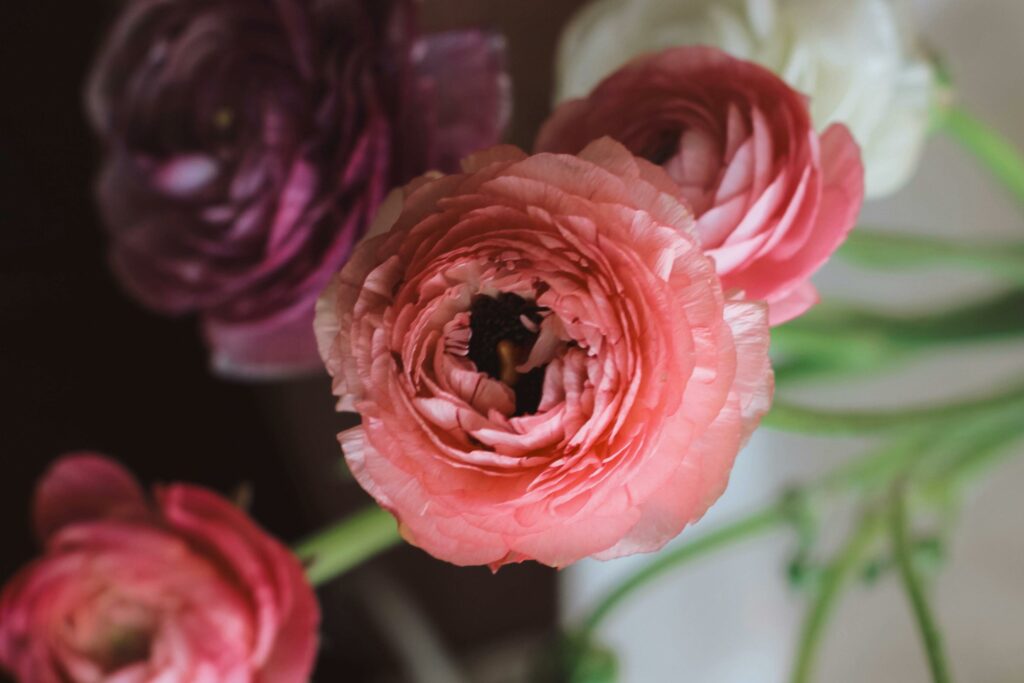

A well-chosen bouquet can say what words struggle to — that you’re sorry, that you’re thinking of them, and that you value the relationship enough to try. Done thoughtfully, apology flowers can open the door to a real conversation. Done carelessly, they can feel like a shortcut around one. Here’s how to get it right.
1. Know What Flowers Can (and Can’t) Do
Flowers are a gesture, not a substitute for accountability. They work best when they:
- Signal sincerity before a real conversation or apology
- Soften tension enough to make talking easier
- Show thought and effort, not just guilt
They work poorly when:
- Sent instead of an actual apology or acknowledgment of what happened
- Used repeatedly as a pattern to smooth over the same mistake
- Chosen without any thought to the other person’s taste
If flowers arrive with no note, no ownership, and no follow-up, they often read as an attempt to avoid the harder conversation rather than start one.
2. Choosing the Right Flowers
Colors and what they tend to communicate
| Color | Tone |
|---|---|
| White | Simple, sincere, “I’m sorry” without excess |
| Soft pink | Gentle, affectionate, good for closer relationships |
| Yellow | Warm and friendly — better for platonic apologies (friends, colleagues) than romantic ones, where it can read as too casual |
| Purple | Thoughtful, a little more formal or respectful in tone |
| Red | Best avoided for apologies — it reads as romantic passion, not remorse |
Good flower choices
- White roses or lilies — classic, quietly sincere
- Peonies — soft and a little vulnerable-feeling, without being flashy
- Tulips (especially white or soft pink) — simple and unpretentious, feels genuine rather than showy
- Hydrangeas — full, gentle, good for a warmer, “I care about you” tone
- Forget-me-nots — literal and sweet, works well mixed into a larger bouquet as a small detail
What to avoid
- Anything overly grand or expensive-looking for the size of the offense — it can come across as trying to buy forgiveness rather than earn it
- Bouquets that are all red roses (romantic overtones can muddy the message)
- Flowers with no accompanying note at all
3. Size Should Match the Moment
A small, simple bouquet often lands better than an enormous, dramatic one. Oversized gestures can feel like they’re trying to overwhelm the other person’s feelings rather than acknowledge them. A modest, well-chosen bunch says “I’m thinking of you” without pressuring a reaction.
4. The Note Matters More Than the Flowers
This is the part people skip, and it’s the part that actually does the work. A good note:
- Names what happened, briefly and honestly (“I’m sorry for what I said last night”)
- Avoids justifying or over-explaining
- Doesn’t ask for anything in return — no “I hope you’re not still mad,” no pressure to respond right away
Simple example:
“I know I hurt you, and I’m sorry. Take whatever time you need — I just wanted you to know I’m thinking of you.”
Keep it short. A long, elaborate note can start to feel like it’s working harder to convince than to apologize.
5. Timing and Delivery
- Don’t rush it. Sending flowers within minutes of a fight can feel more like damage control than genuine reflection. A few hours or the next day often lands better.
- In person vs. delivery: if the relationship allows it, handing the flowers over yourself — even briefly — adds more weight than a delivery service, because it shows you’re willing to be present, not just absent and apologetic.
- Follow up. Flowers open the door; walking through it with an actual conversation (in person or by phone, not just text) is what closes the gap.
6. Context Matters
| Relationship | Approach |
|---|---|
| Partner/spouse | Personal, warm colors (soft pink, white), handwritten note, ideally delivered in person |
| Friend | Lighter and more casual — yellow or mixed bouquets work well, brief and warm note |
| Colleague/boss | Neutral and professional — white or green-toned arrangements, keep the note short and focused on the specific issue |
| Family member | Simple and sincere, avoid anything that reads as extravagant or performative |
The Bottom Line
The flowers aren’t the apology — they’re the gesture that makes space for one. The real repair happens in the conversation that follows: naming what went wrong, listening, and showing through actions that it won’t happen again. Get that part right, and the flowers become a nice touch rather than the whole effort.