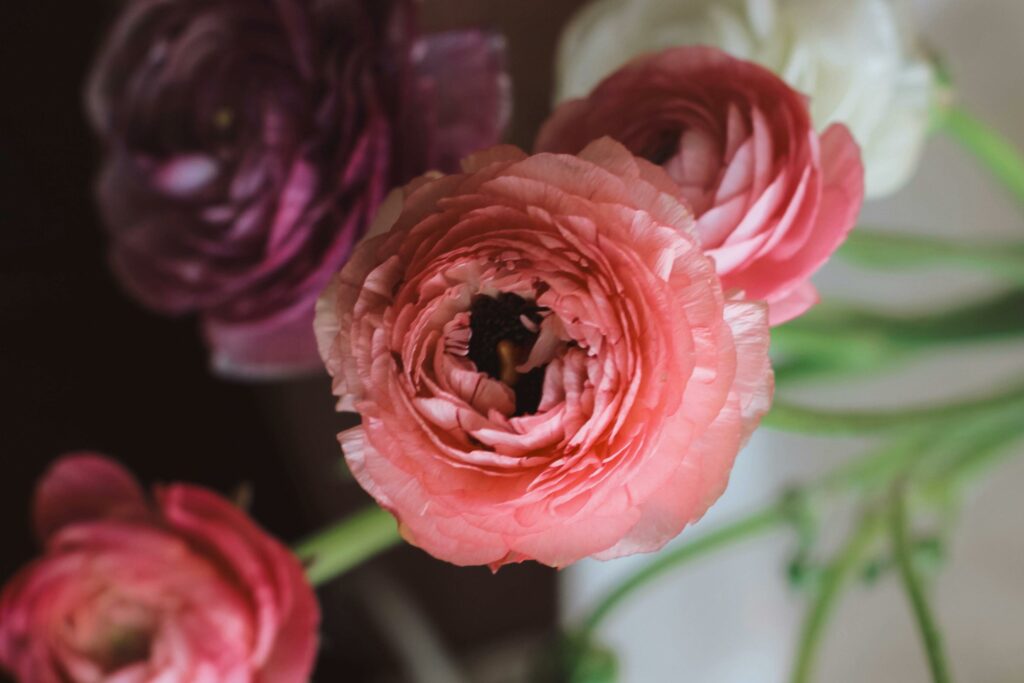

A distinct shift is taking hold in the world of floral design. As the year moves into its second half, designers and industry forecasters are pointing to a clear departure from the light, airy pastels that have dominated arrangements in recent seasons — replaced instead by richer, deeper, more grounded color tones that feel more earthbound than ethereal.
Goodbye, Soft and Airy
For years, the dominant floral aesthetic leaned toward the delicate: blush pinks, powder blues, lavender, and creamy whites arranged in loose, romantic silhouettes. That palette, often associated with weddings, spring events, and a broader cultural embrace of softness and minimalism, is giving way to something with more weight and presence.
In its place, designers are reaching for deep burgundies, rust and terracotta tones, mossy greens, dark plums, and warm ochres — colors that evoke autumn foliage, aged wood, and mineral-rich earth rather than the pale, sun-washed hues of a spring garden. The shift isn’t merely seasonal restocking; industry observers describe it as a more fundamental recalibration of what feels current in floral design.
A Reflection of Broader Design Trends
This move toward grounded tones doesn’t exist in isolation. Floral designers are increasingly aligning their palettes with trends already well underway in interior design, where warm, saturated, and nature-inspired color schemes have been steadily displacing the cooler, more neutral palettes that defined much of the past decade. Deep greens, chocolate browns, clay reds, and inky blacks have become fixtures in home decor, furniture, and paint trend reports — and florists are following suit, treating arrangements as an extension of the same design language now shaping living rooms and dining spaces.
This cross-pollination between botanical and interior design isn’t new, but forecasters note that the alignment feels particularly tight this cycle. Arrangements are being designed less as standalone decorative objects and more as integrated components of a broader aesthetic environment, meant to feel cohesive with the moodier, more textured interiors currently in vogue.
Texture and Depth Take Center Stage
The grounded palette shift is bringing changes beyond color alone. Designers are incorporating more textural elements — dried grasses, seed pods, textured foliage, and unconventional botanicals like scabiosa pods or amaranth — to reinforce the earthier, more organic feel of the new aesthetic. Arrangements are trending toward denser, more sculptural compositions, a departure from the loose, wispy styling that characterized the pastel era.
This emphasis on texture also reflects a growing appetite for arrangements that feel less precious and more lived-in. Rather than pristine, uniform blooms, designers are embracing imperfection: flowers in varying stages of bloom, foliage with natural wear, and compositions that lean into asymmetry rather than polished symmetry.
Why Now?
Designers point to several forces converging behind the shift. A broader cultural gravitation toward warmth, comfort, and groundedness — themes that have been building across fashion, interiors, and lifestyle branding — has created fertile ground for a floral palette that feels more substantial and less fleeting. There’s also a practical seasonal logic: as the calendar moves past the height of summer, richer tones simply feel more attuned to the changing light and mood of the months ahead.
Some in the industry also frame the shift as a reaction to years of pastel saturation. After a prolonged run of soft, muted palettes across weddings, home goods, and floral branding alike, designers and consumers alike appear ready for something with more visual weight and emotional intensity — colors that feel deliberate and expressive rather than gently decorative.
What It Means for Events and Everyday Arrangements
The implications extend well beyond high-end editorial florals. Wedding planners are reporting increased client interest in richer autumnal palettes even for events held outside the traditional fall season, while retail and subscription flower services are adjusting their seasonal offerings to lean into deeper tones earlier than in past years. Home arrangements, too, are following the trend, with grounded, moody bouquets increasingly favored over the bright, cheerful mixes that once dominated everyday floral choices.
As the color shift continues to take hold, it signals more than a simple seasonal update — it points to a broader recalibration of what feels stylistically current, one where floral design continues to move in step with the same forces reshaping interiors, fashion, and the wider aesthetic mood of the moment.